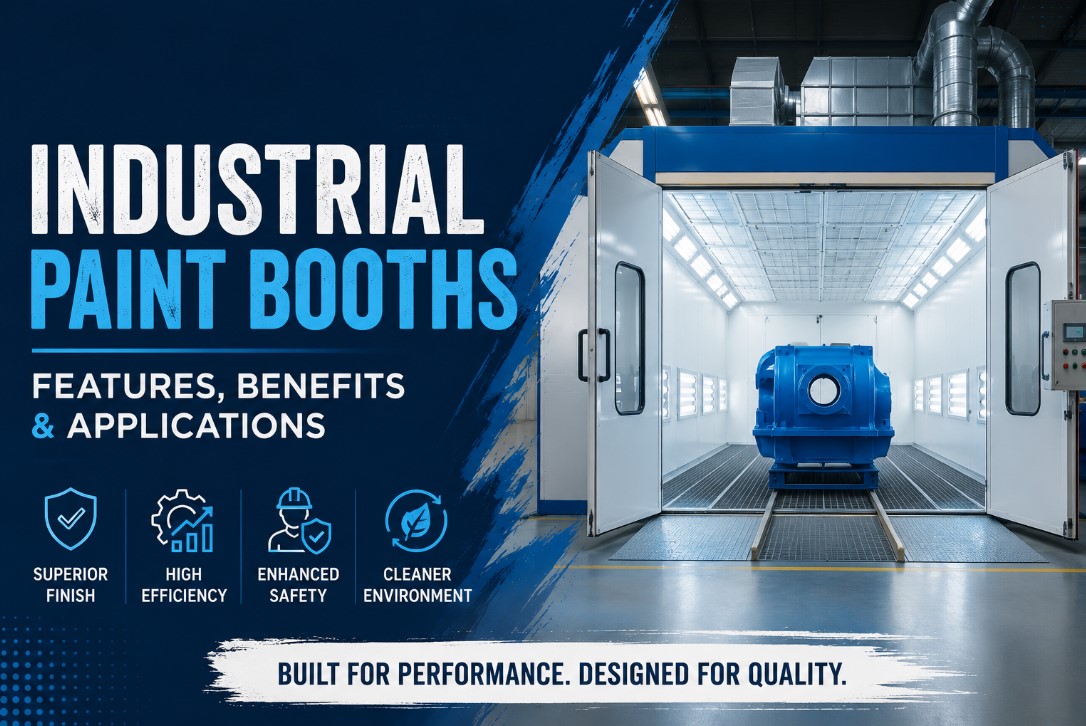
Industrial Paint Booths Features Benefits and Applications
2026-06-29 07:32:30

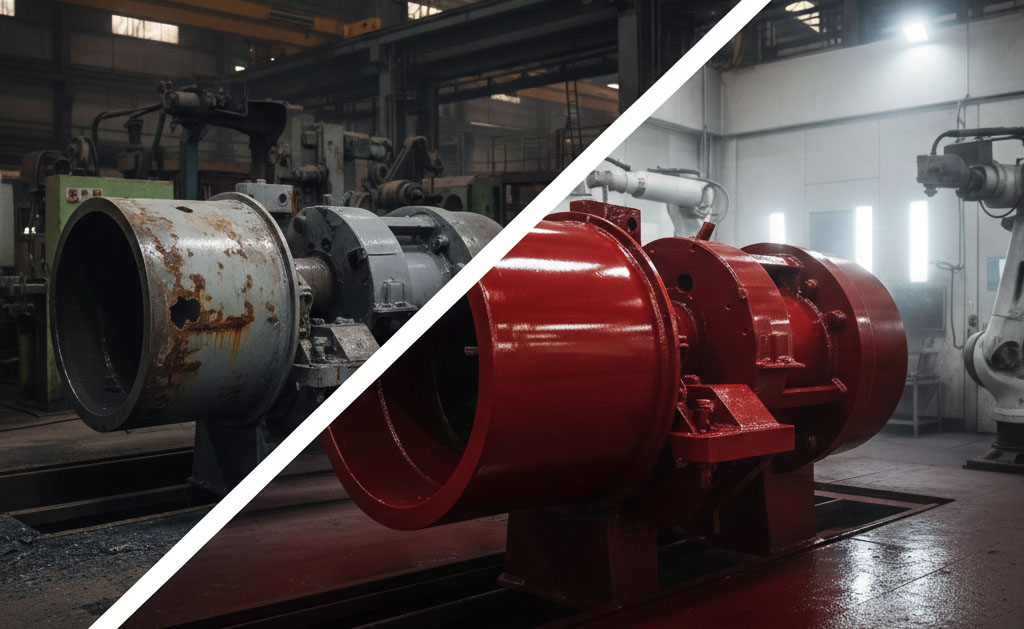
Efficiency and consistency are important in modern manufacturing to meet production goals and maintain product quality. One of the most important processes in surface finishing is pre-treatment, as it has a direct impact on the product's overall durability, corrosion resistance, and coating adherence.
With increasing pressure for better output and quality control, automation in pre-treatment systems has become a key requirement for many industries.
Automated Pre-Treatment
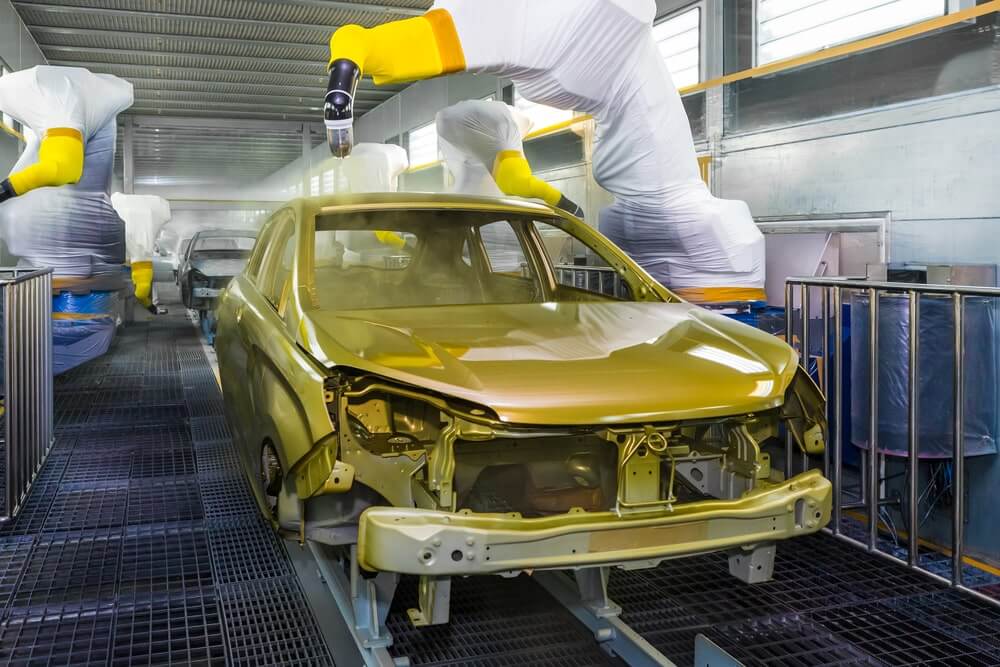
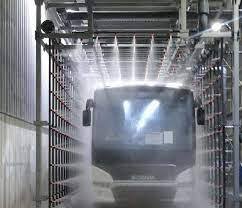
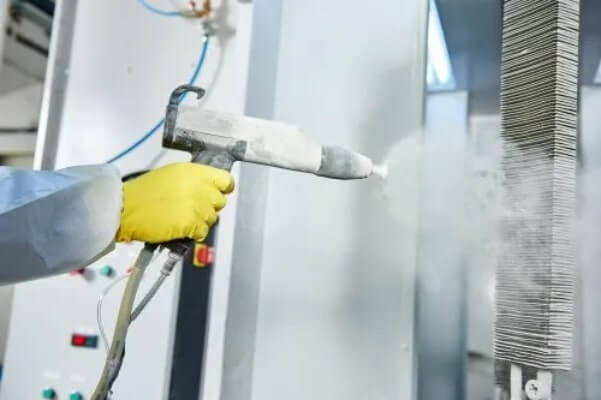
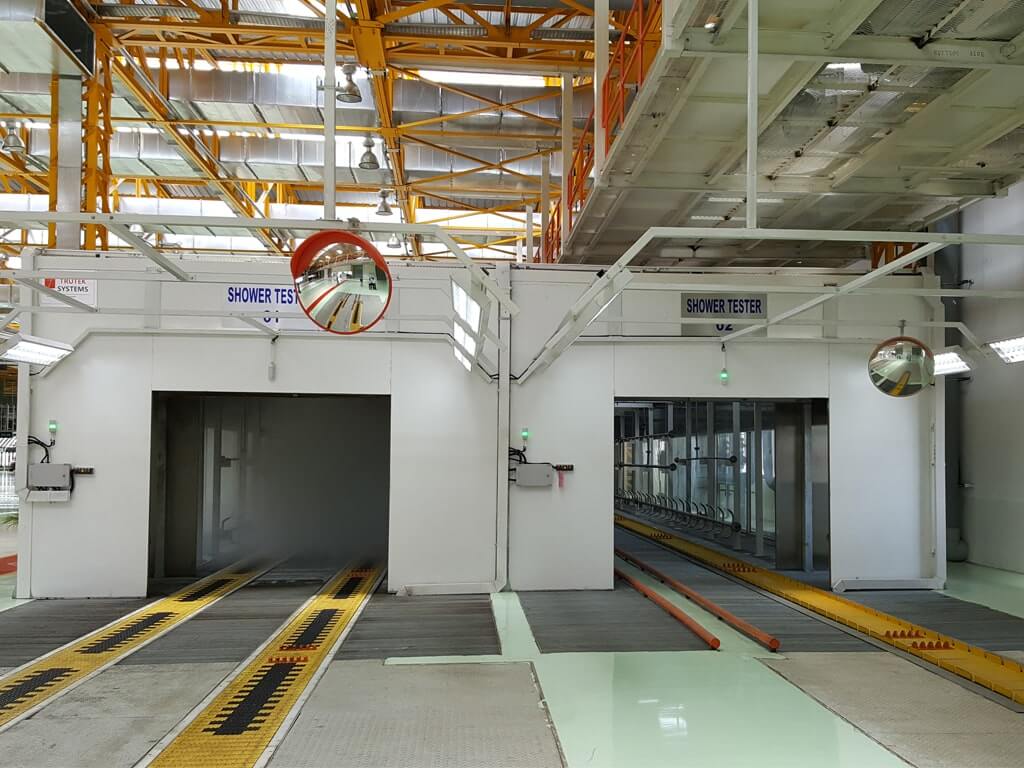
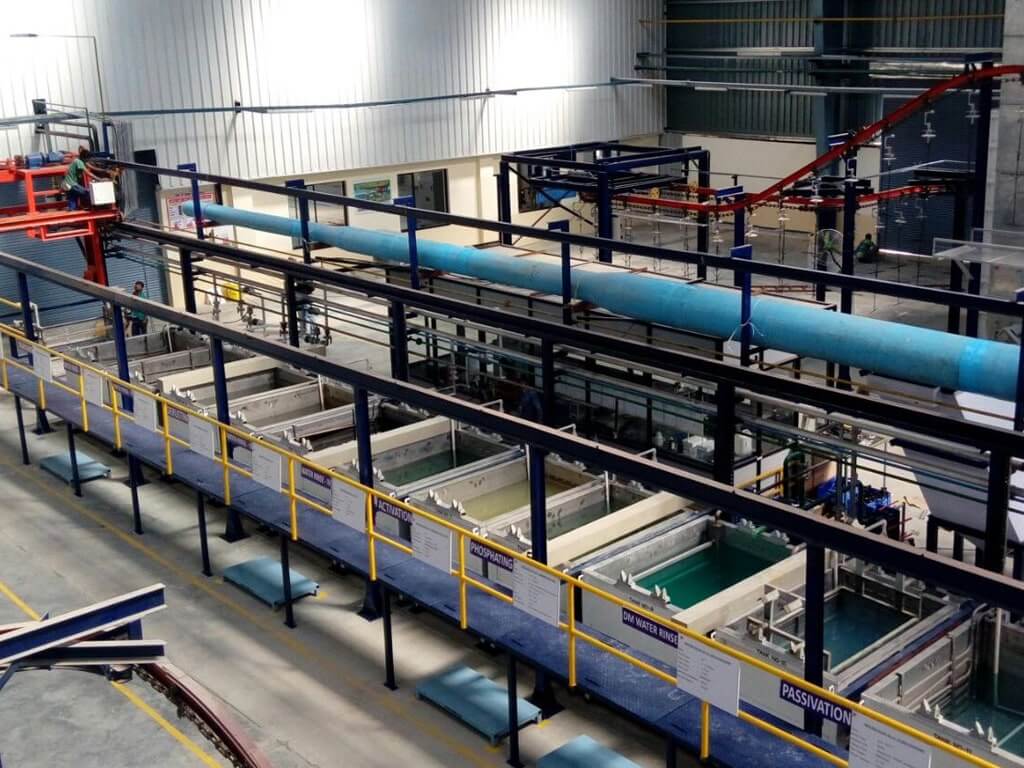
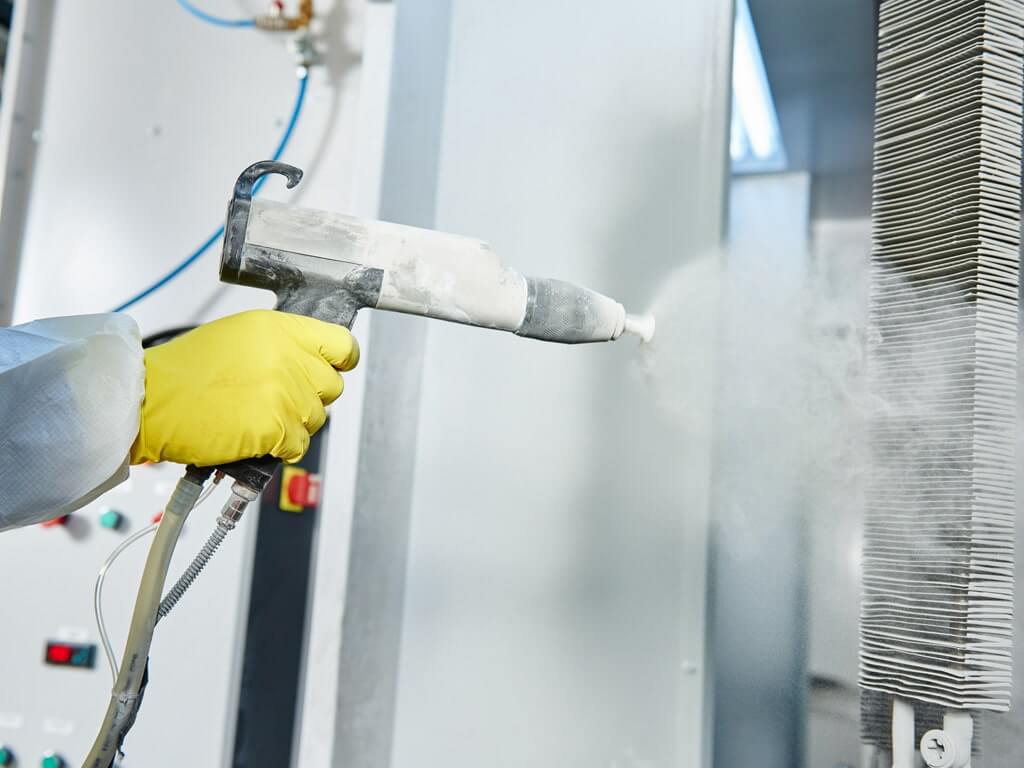
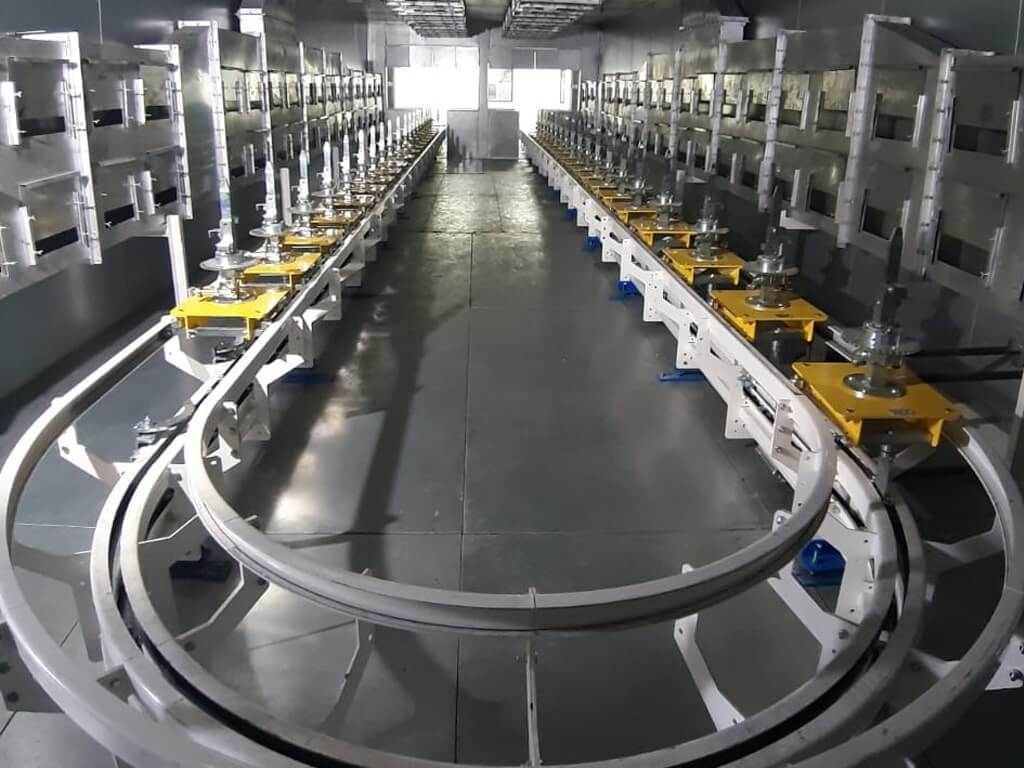
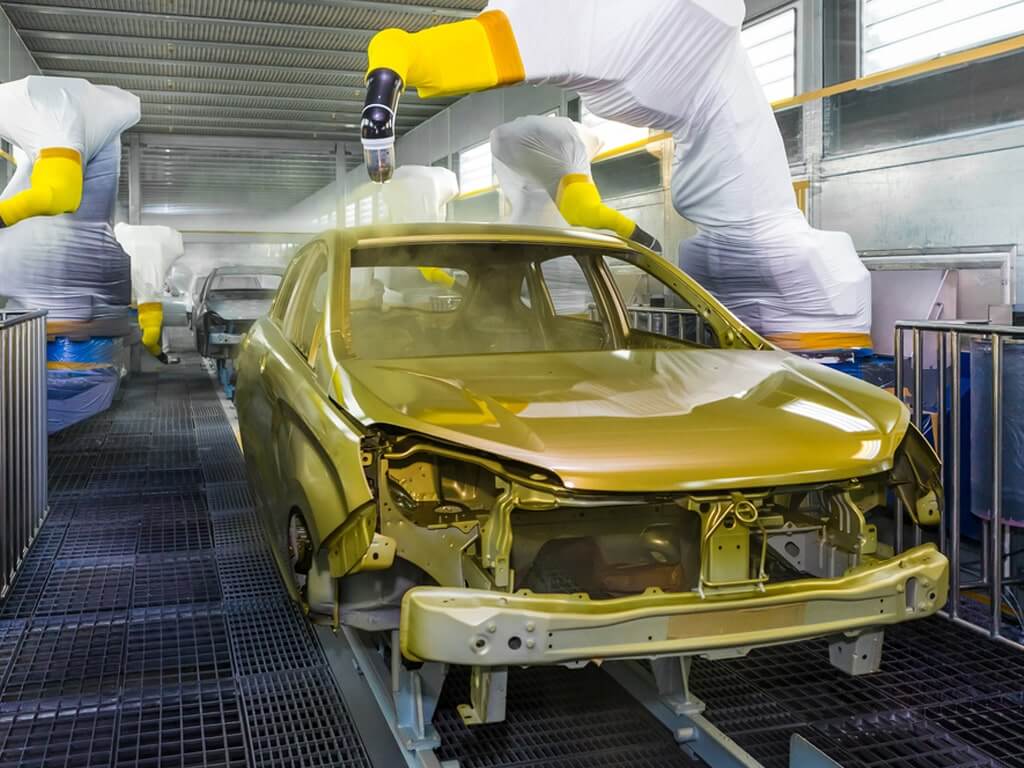
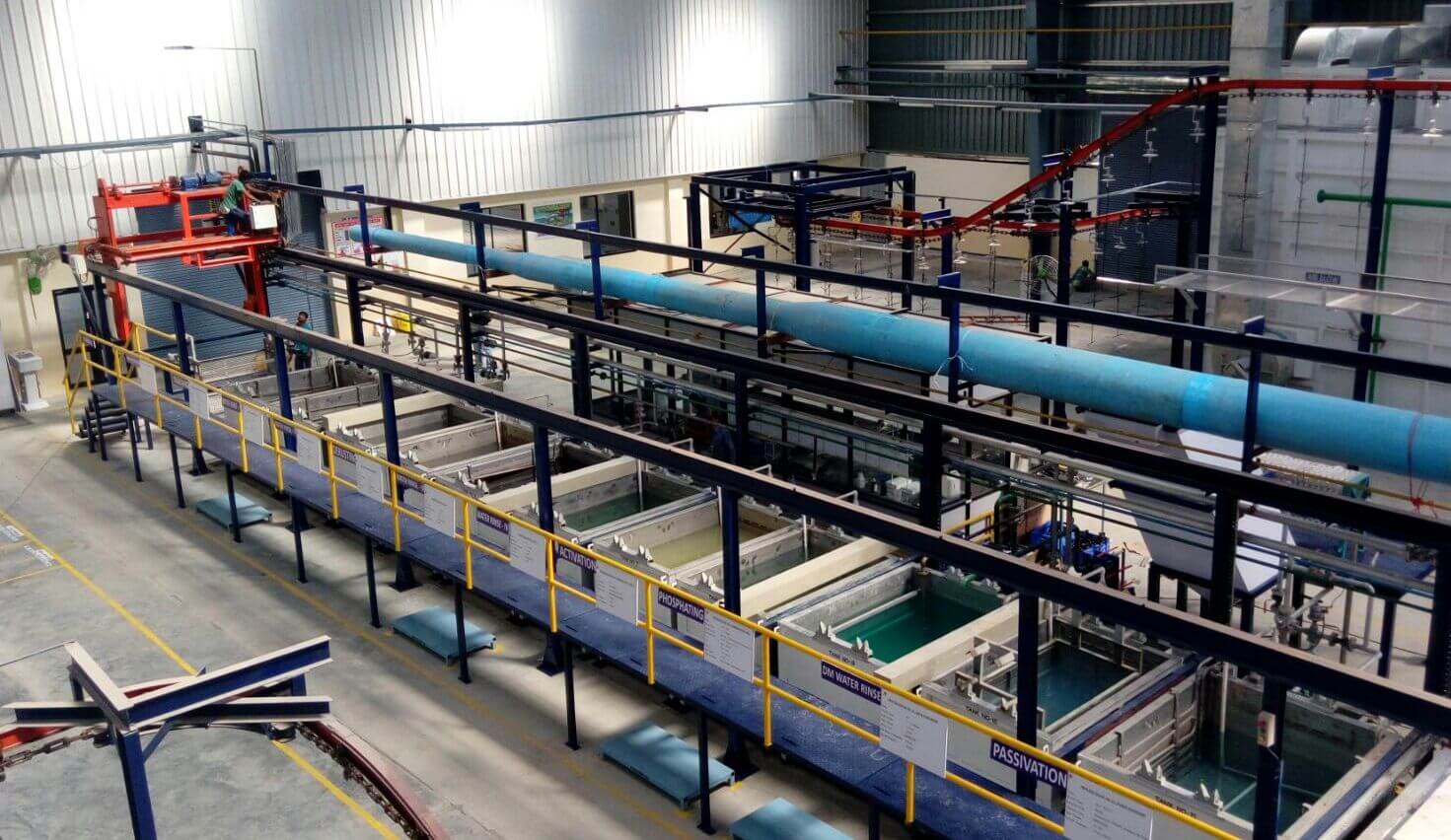
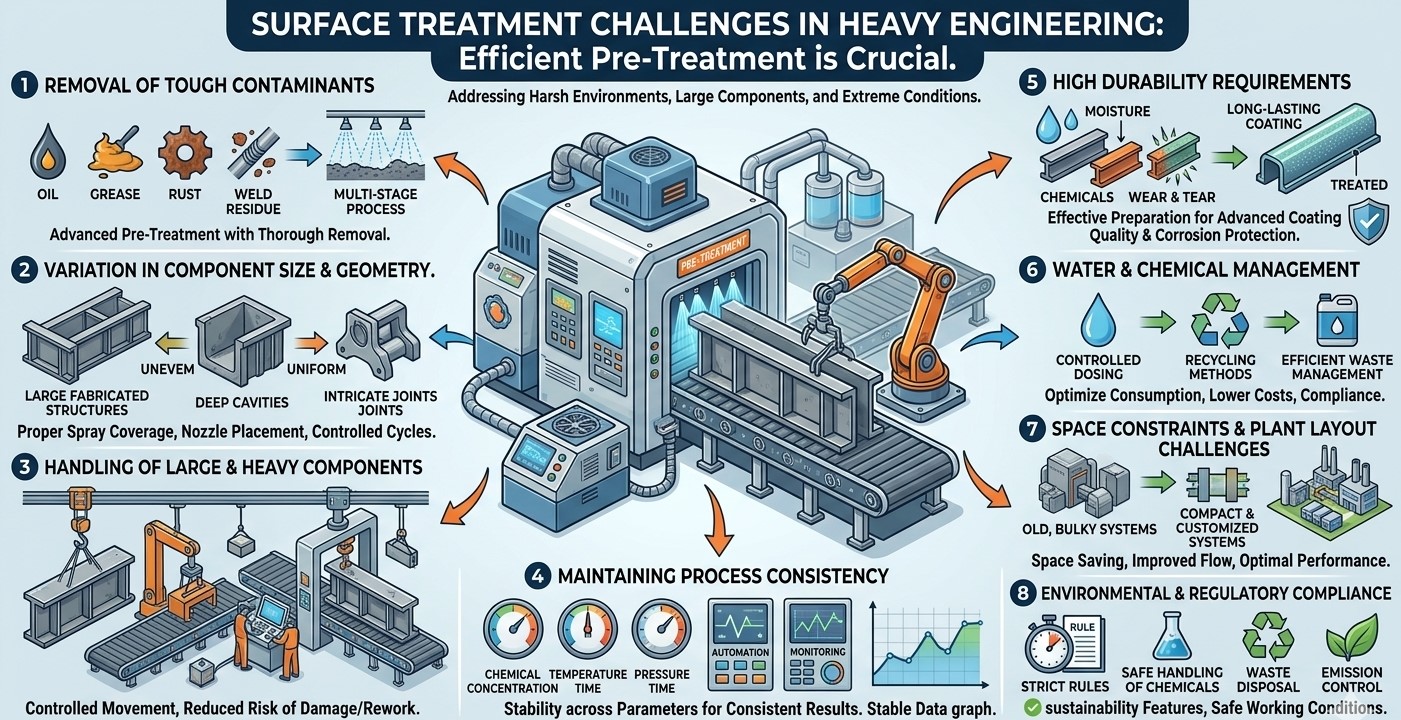
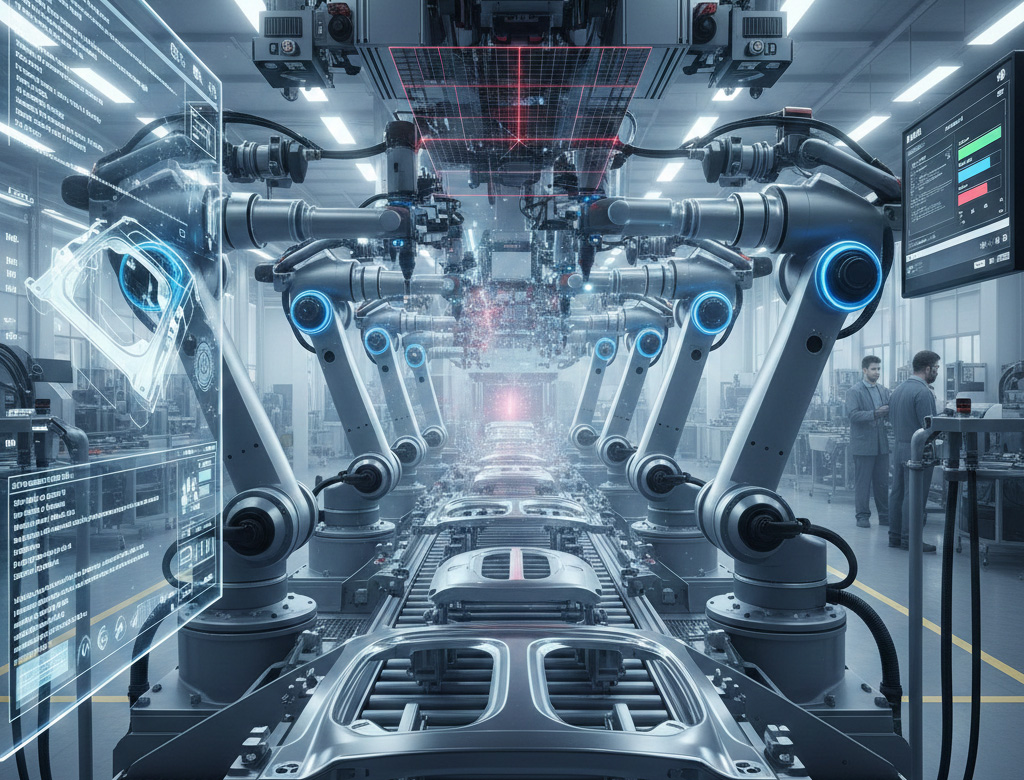
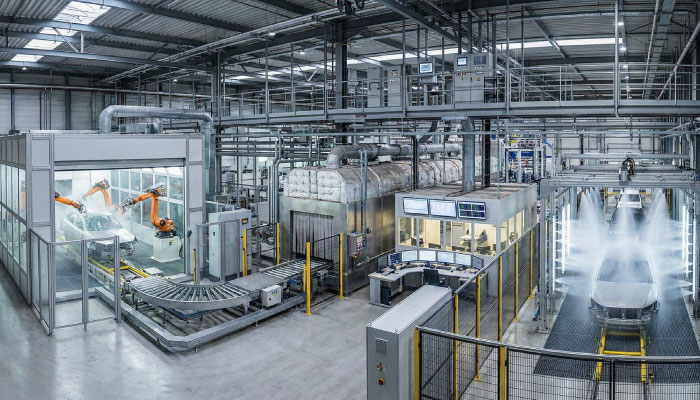
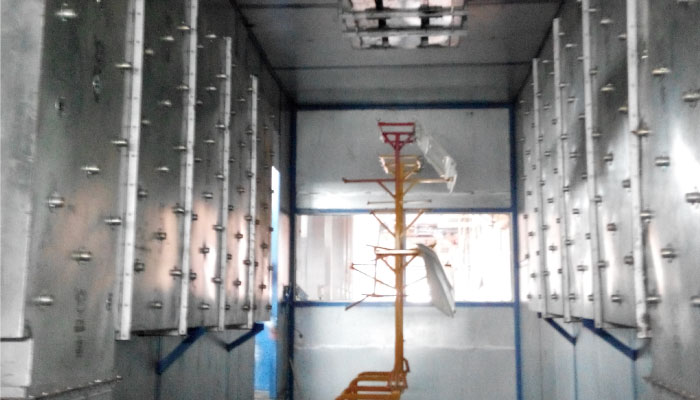
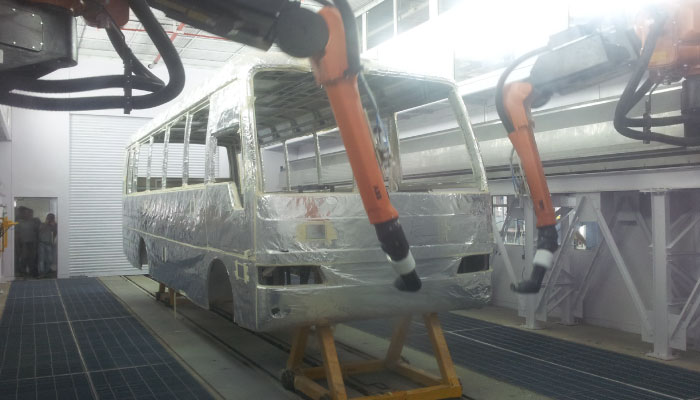
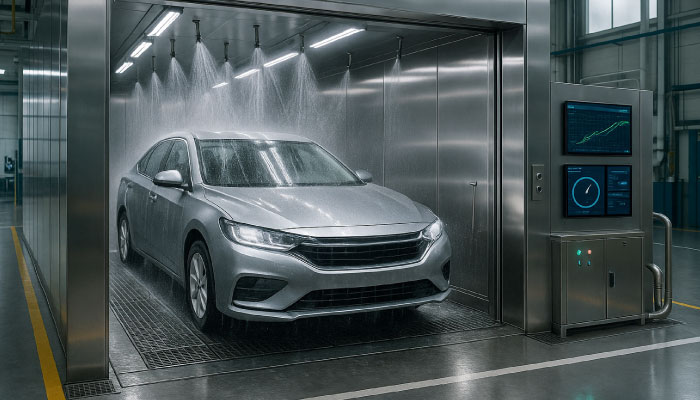
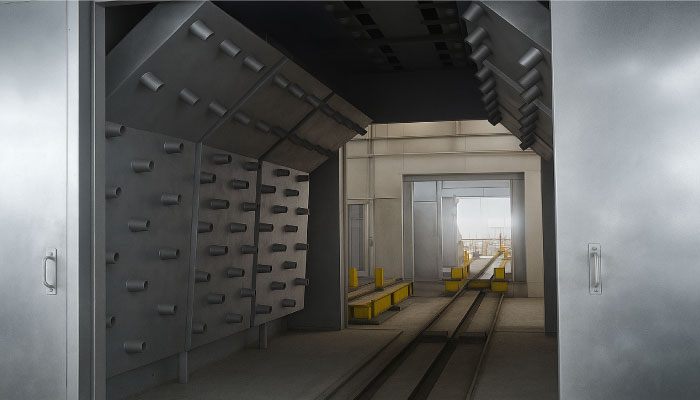
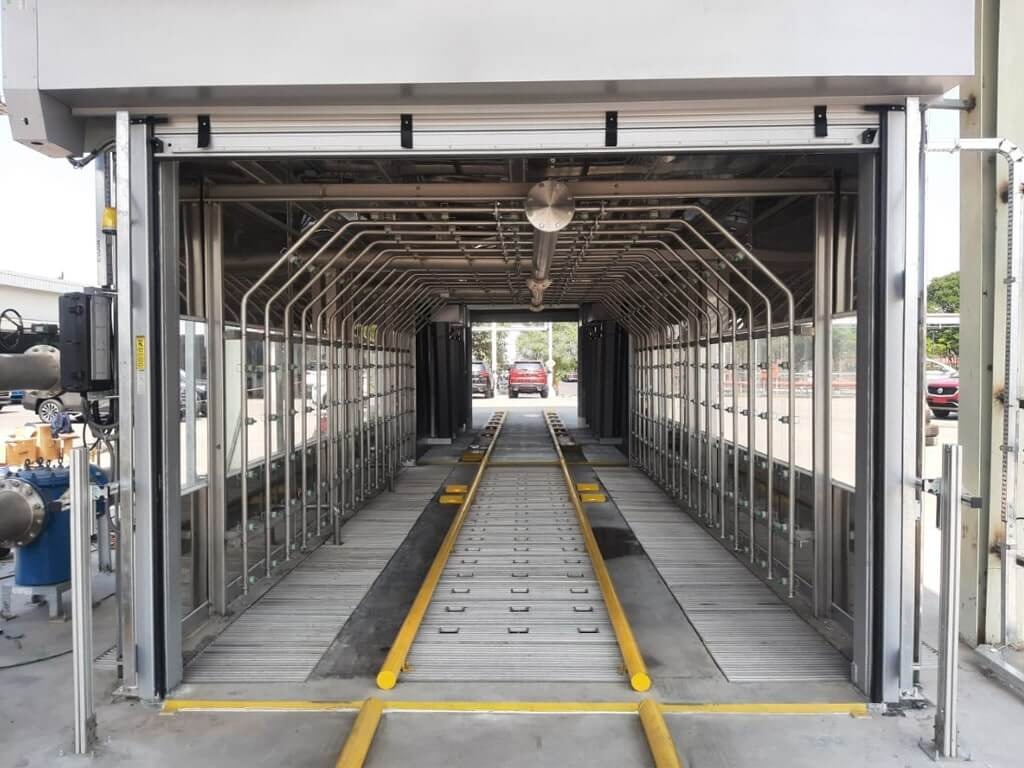
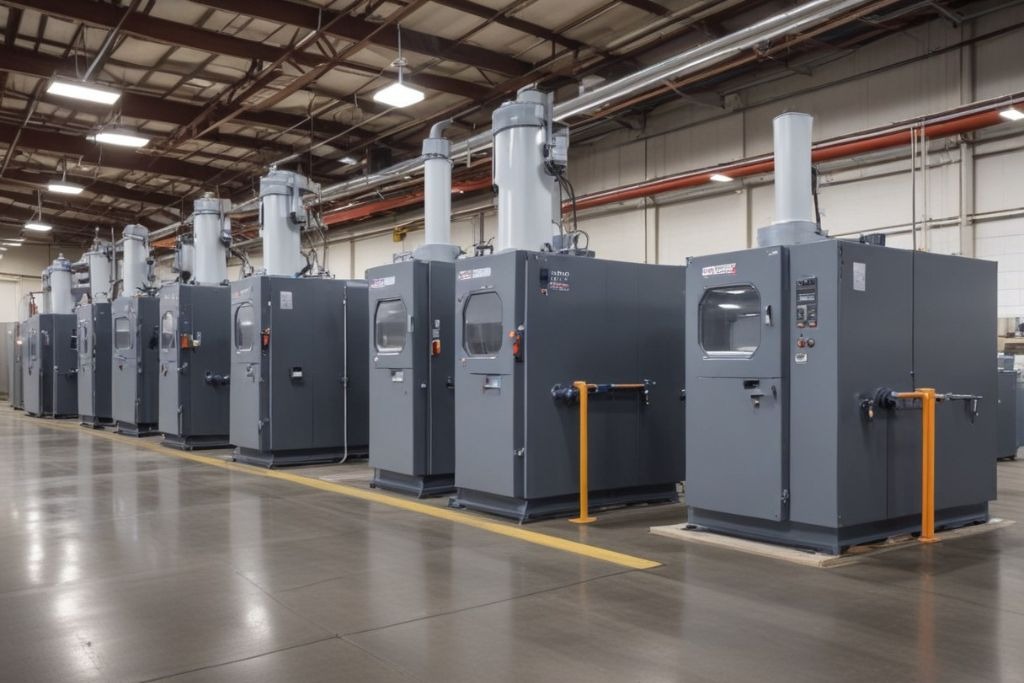
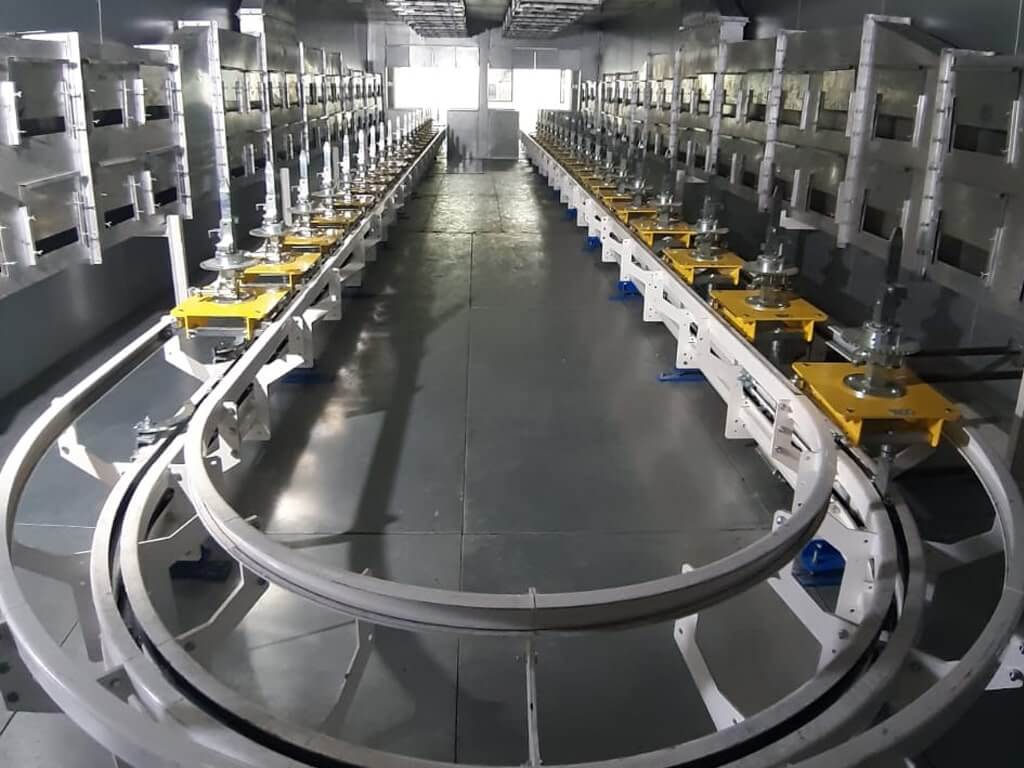
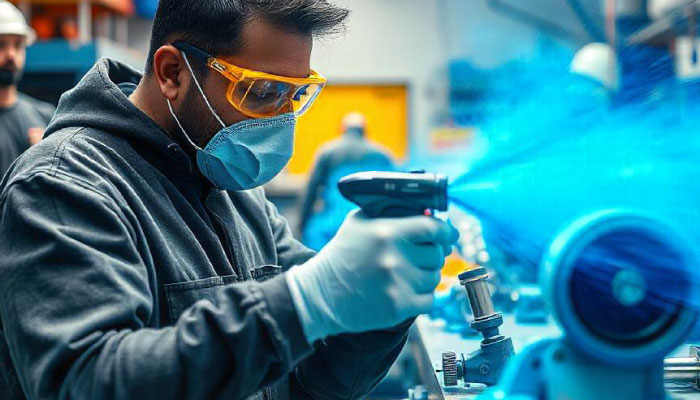
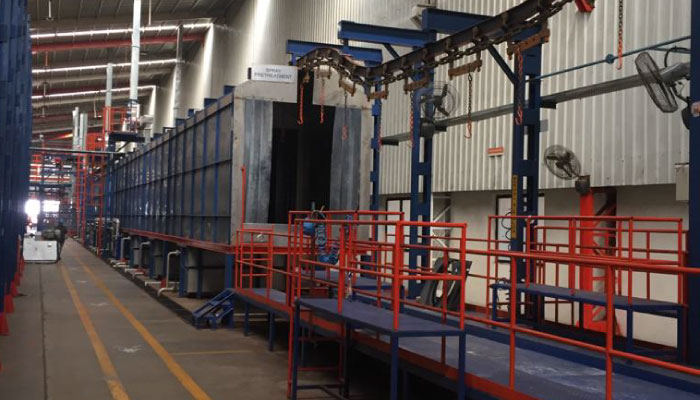
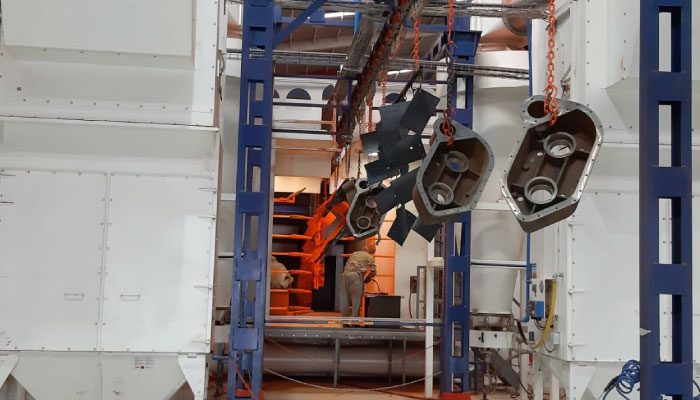
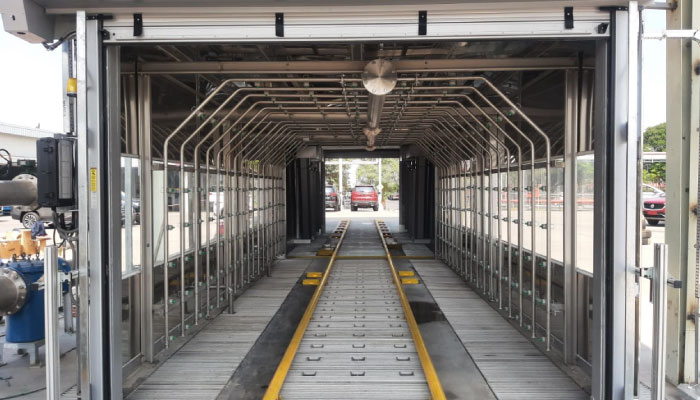
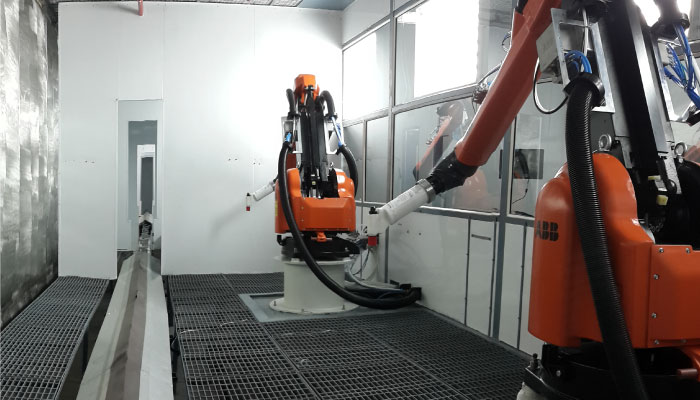
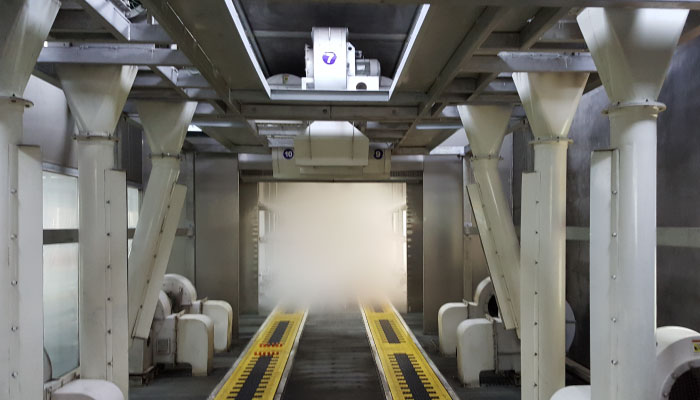
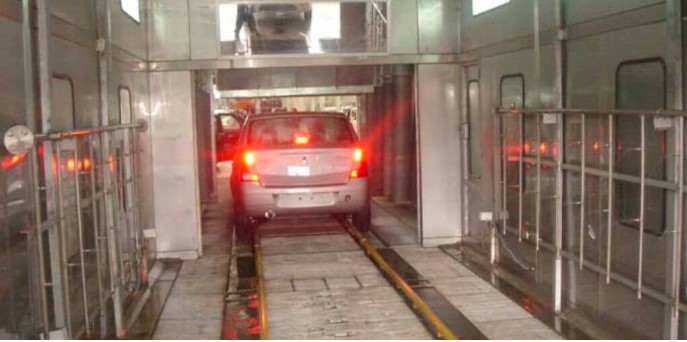
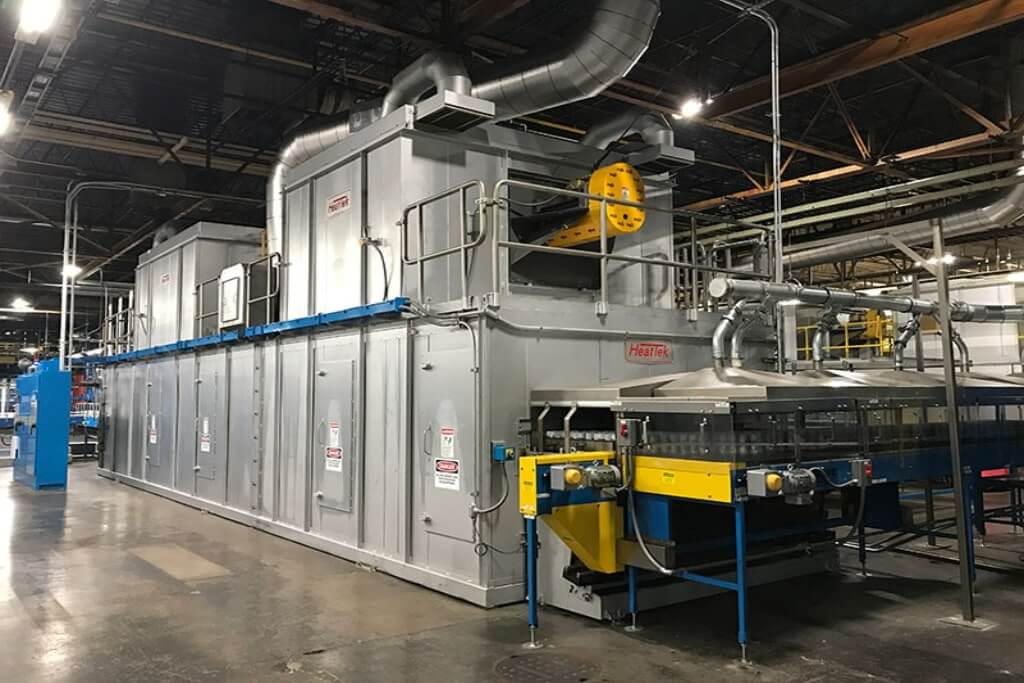
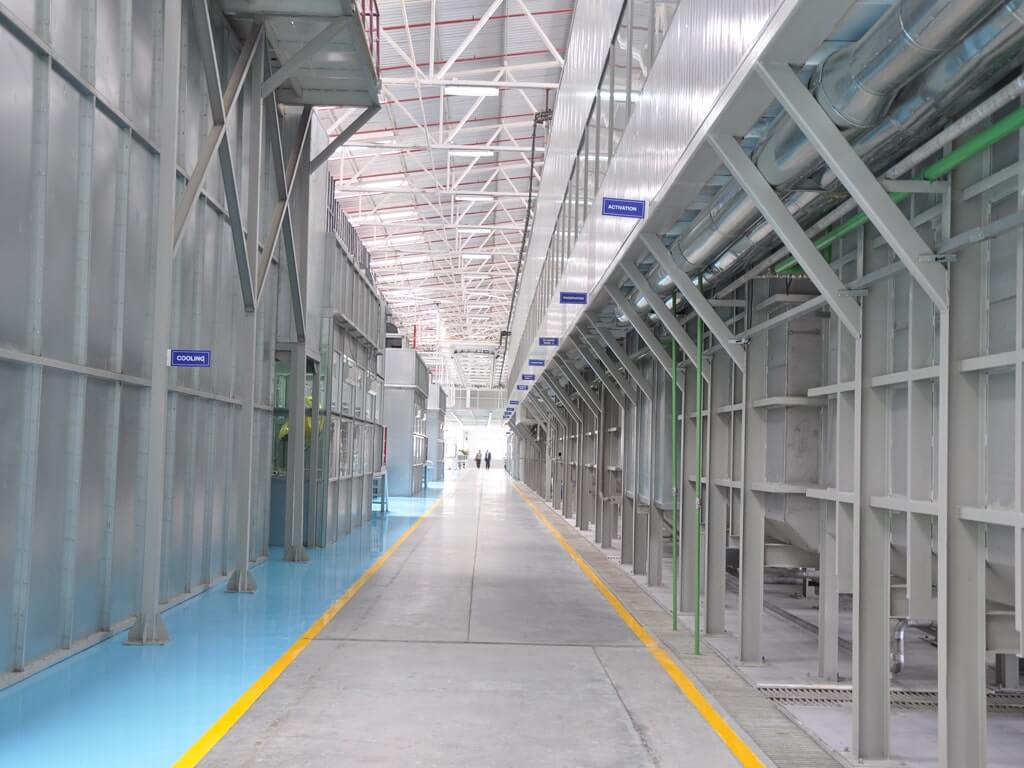
Automated pre-treatment systems reduce human interaction and manage surface cleaning and preparation with controlled processes, sensors, and programmed actions. These systems manage processes like chemical treatment, drying, rinsing, and degreasing in a regulated and consistent way.
Unlike manual processes, automation guarantees that every component goes through the same standardized treatment, reducing variation and improving consistency.
Benefits of Automation in Pre-Treatment Systems
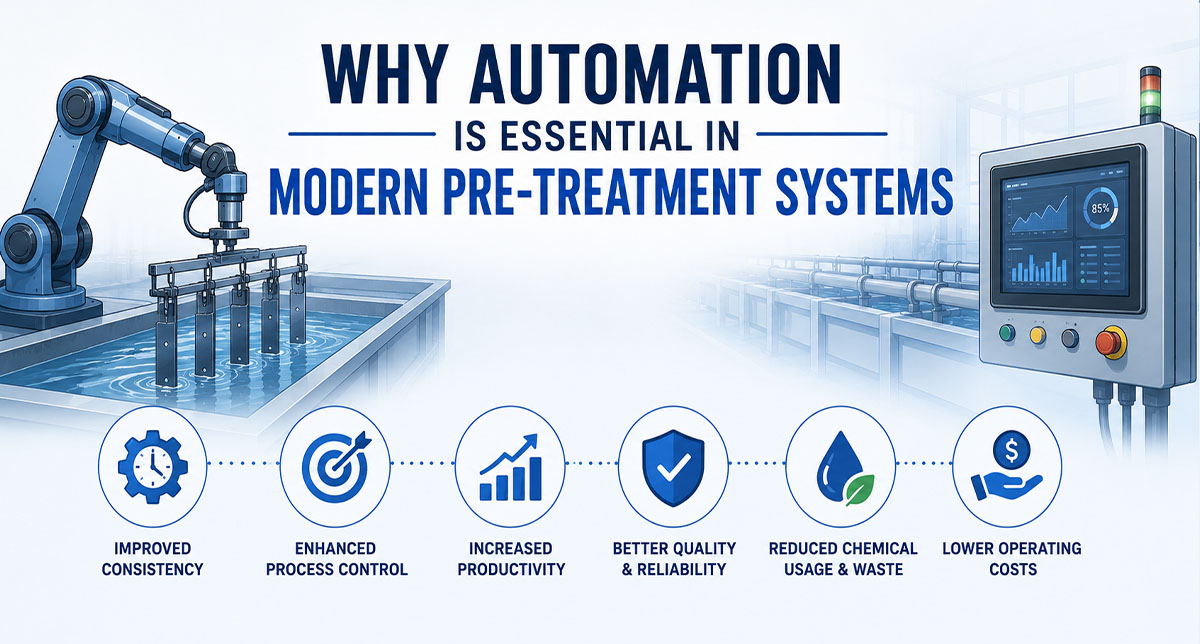
- Consistent quality is one of the main advantages of automation. Automated systems provide consistent surface preparation with precise control of variables like temperature, chemical concentration, spray pressure, and treatment time. This leads to better coating adhesion and fewer defects in the final product.
- Another major advantage is improved efficiency. Automated systems reduce dependency on manual operations, which allows fast processing and higher production output. This is particularly useful in industries where large volumes need to be processed without delays or quality issues.
- Automation lowers the use of water and chemicals. Waste is reduced due to precise control over dosage and flow. This lowers operating expenses while promoting ecologically friendly production methods.
- Many industries are now focusing on sustainability, and efficient resource usage plays a major role in achieving that goal.
- Another important advantage is lower operating costs. Automated systems save long-term costs and reduce labour requirements, minimise rework, and increase process efficiency, even though they do require an upfront investment. This finally results in increased profitability and better cost control.
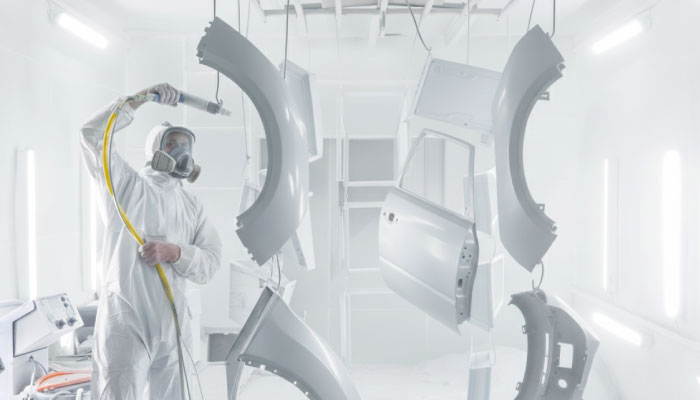
- Automation also considerably increases safety. Chemicals used in pre-treatment procedures are often hazardous. Automated technologies lower the possibility of accidents and create a safer working environment by minimising direct human exposure.
- Real-time monitoring and control are also provided by modern automated systems. Operators are able to monitor system performance, identify problems early, and make necessary adjustments. This keeps operations steady and guards against unplanned malfunctions or fluctuations in quality.
Why Industries Are Moving Toward Automation
Automation in pre-treatment systems is becoming more and more common in industries as conventional manual processes are no longer adequate to meet the needs of modern manufacturing. Businesses require faster, more dependable, and more economical processes as manufacturing becomes more competitive. Automation offers the scalability and consistency needed to satisfy these demands.
Also, manufacturers are forced to adopt more controlled and clean procedures due to demanding environmental regulations and quality standards. Automated pre-treatment solutions enhance overall operational performance and help the industry to meet these standards.
Conclusion
Surface preparation is being transformed by automation in pre-treatment systems, which makes it more reliable, effective, and economical. It increases safety, lowers resource consumption, boosts product quality, and improves long-term operational stability. Automation is becoming an essential component of modern pre-treatment procedures as manufacturing continues to evolve.
If you are also looking for advanced pre-treatment systems, partner with Trutek System for reliable solutions. Improve the efficiency and performance of your manufacturing operations with us. Contact us today.





.jpg)
.jpg)



.png)
.png)
.jpg)
.png)
.jpg)
.jpg)
.jpg)
.jpg)
.jpg)
.jpg)
.jpg)
.jpg)
.jpg)
.jpg)
.jpg)

hh.jpg)
5.jpg)
.jpg)
.jpeg)