Industrial Paint Booths Features Benefits and Applications
2026-06-29 07:32:30

Introduction
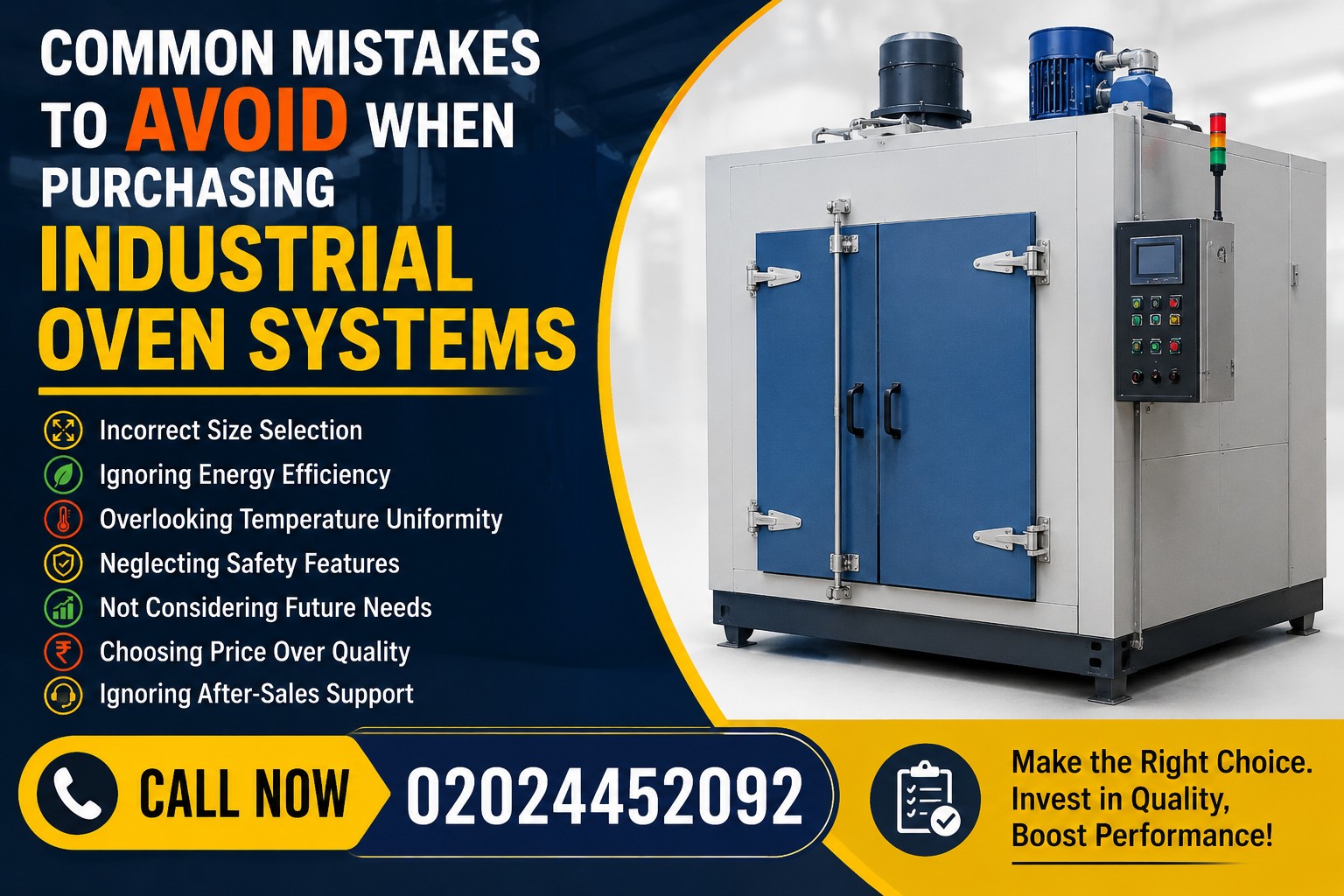
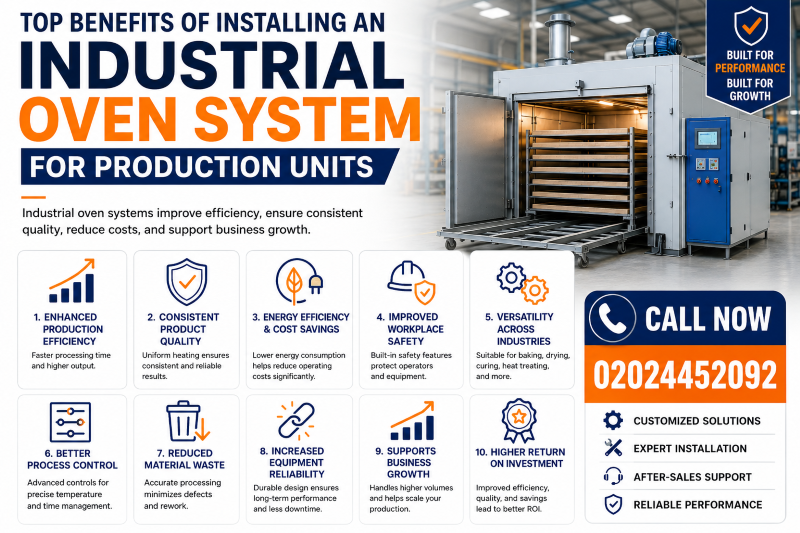
Investing in an industrial oven is a significant decision for any manufacturing business. Whether used for drying, curing, baking, heat treatment, or coating applications, the right oven can improve production efficiency, product quality, and operational performance. However, many businesses make costly mistakes during the purchasing process, leading to increased maintenance expenses, production delays, and reduced productivity.
Understanding the common pitfalls can help manufacturers select equipment that meets their operational requirements and delivers long-term value. This guide highlights the most common mistakes to avoid when purchasing industrial oven systems and how businesses can make a smarter investment.
Not Clearly Defining Production Requirements
One of the biggest mistakes manufacturers make is purchasing an oven without fully understanding their production needs. Different industries require different temperature ranges, chamber sizes, airflow patterns, and processing capabilities.
Before selecting an oven, businesses should evaluate:
Production volume
Product dimensions
Required temperature range
Processing time
Material specifications
Failing to assess these factors can result in purchasing equipment that is either too small, too large, or incapable of meeting operational demands.
Choosing Price Over Performance
Budget is always an important consideration, but selecting the cheapest option can often lead to higher costs in the future. Low-cost ovens may lack essential features, advanced controls, and durable components.
Instead of focusing solely on initial purchase price, manufacturers should consider:
Energy efficiency
Build quality
Maintenance requirements
Operating costs
Equipment lifespan
A high-quality oven may require a larger initial investment but can provide better performance and lower long-term expenses.
Ignoring Energy Efficiency
Energy consumption has a direct impact on operational costs. Many buyers overlook energy efficiency when comparing oven models and end up with equipment that consumes excessive power.
Modern industrial oven systems are designed with advanced insulation, efficient airflow technology, and intelligent temperature controls that reduce energy usage while maintaining performance.
Choosing an energy-efficient solution can help businesses lower utility expenses and improve overall profitability over time.
Overlooking Future Production Growth
Manufacturing requirements often change as businesses grow. Purchasing an oven that only meets current production needs can create limitations in the future.
When evaluating options, manufacturers should consider:
Expected production increases
New product lines
Facility expansion plans
Additional processing requirements
Investing in scalable equipment can prevent the need for costly upgrades or replacements in the near future.
Failing to Evaluate Temperature Uniformity
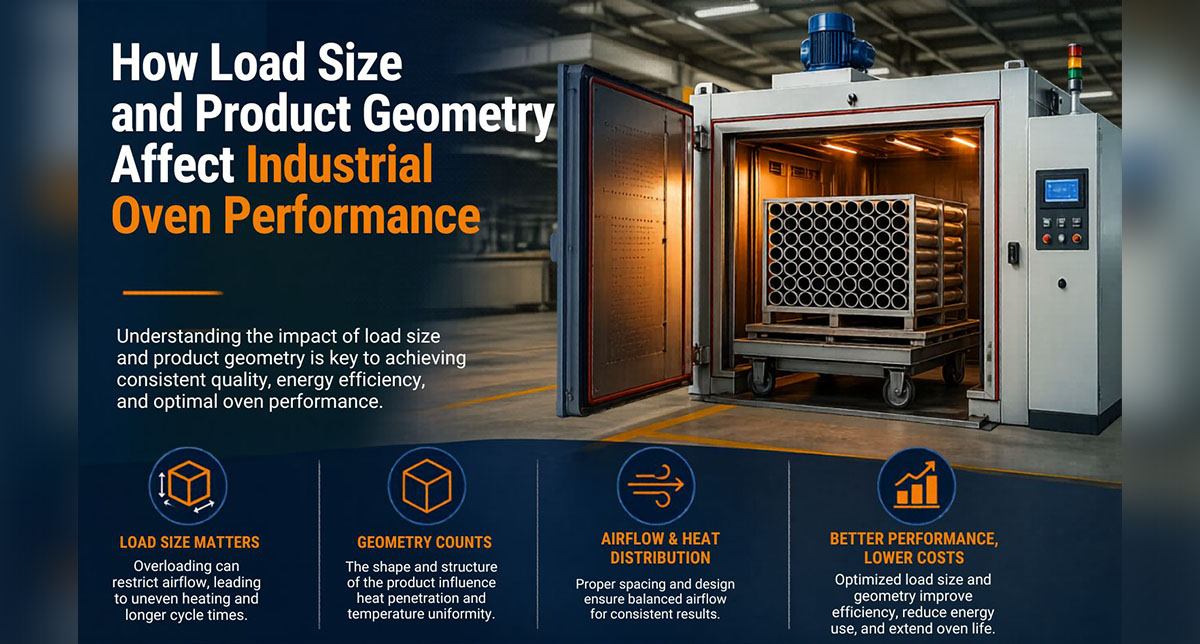
Temperature consistency is critical for maintaining product quality. Uneven heating can lead to defective products, inconsistent curing, and production losses.
Before making a purchase, businesses should verify:
Heat distribution capabilities
Air circulation systems
Temperature control accuracy
Performance testing results
Reliable temperature uniformity ensures that every product receives the same level of thermal processing, resulting in better quality and reduced waste.
Neglecting Safety Features
Industrial ovens operate at high temperatures and must comply with safety standards. Some buyers focus heavily on performance while overlooking essential safety features.
Important safety considerations include:
Emergency shut-off systems
Over-temperature protection
Proper ventilation
Fire prevention mechanisms
Operator safety controls
Selecting equipment with comprehensive safety features helps protect employees, products, and manufacturing facilities.
Not Considering Application-Specific Requirements
Different applications require different oven designs. An oven suitable for food processing may not be appropriate for powder coating or metal treatment applications.
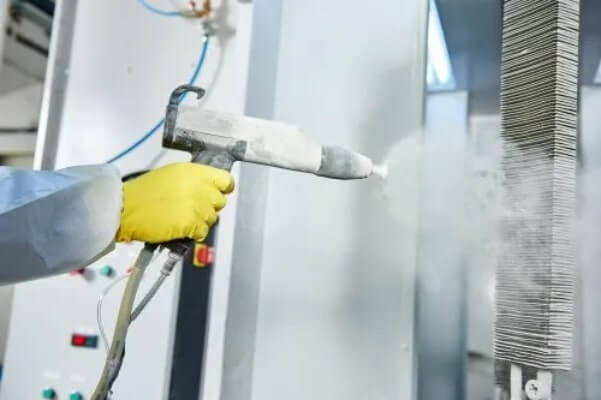
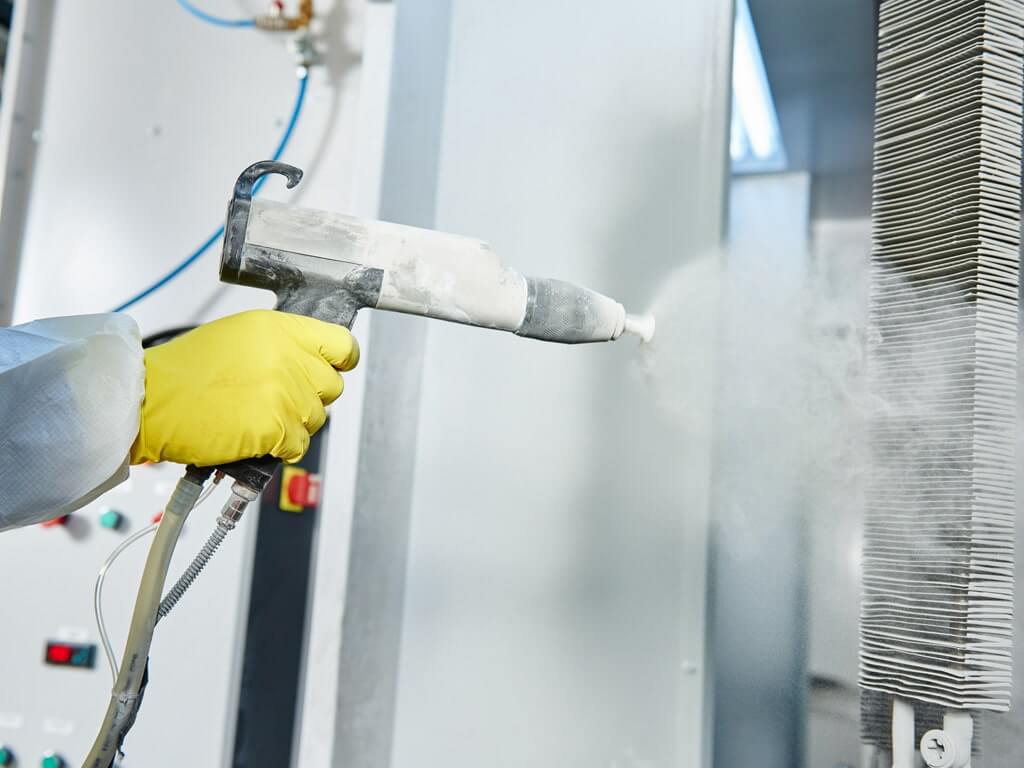
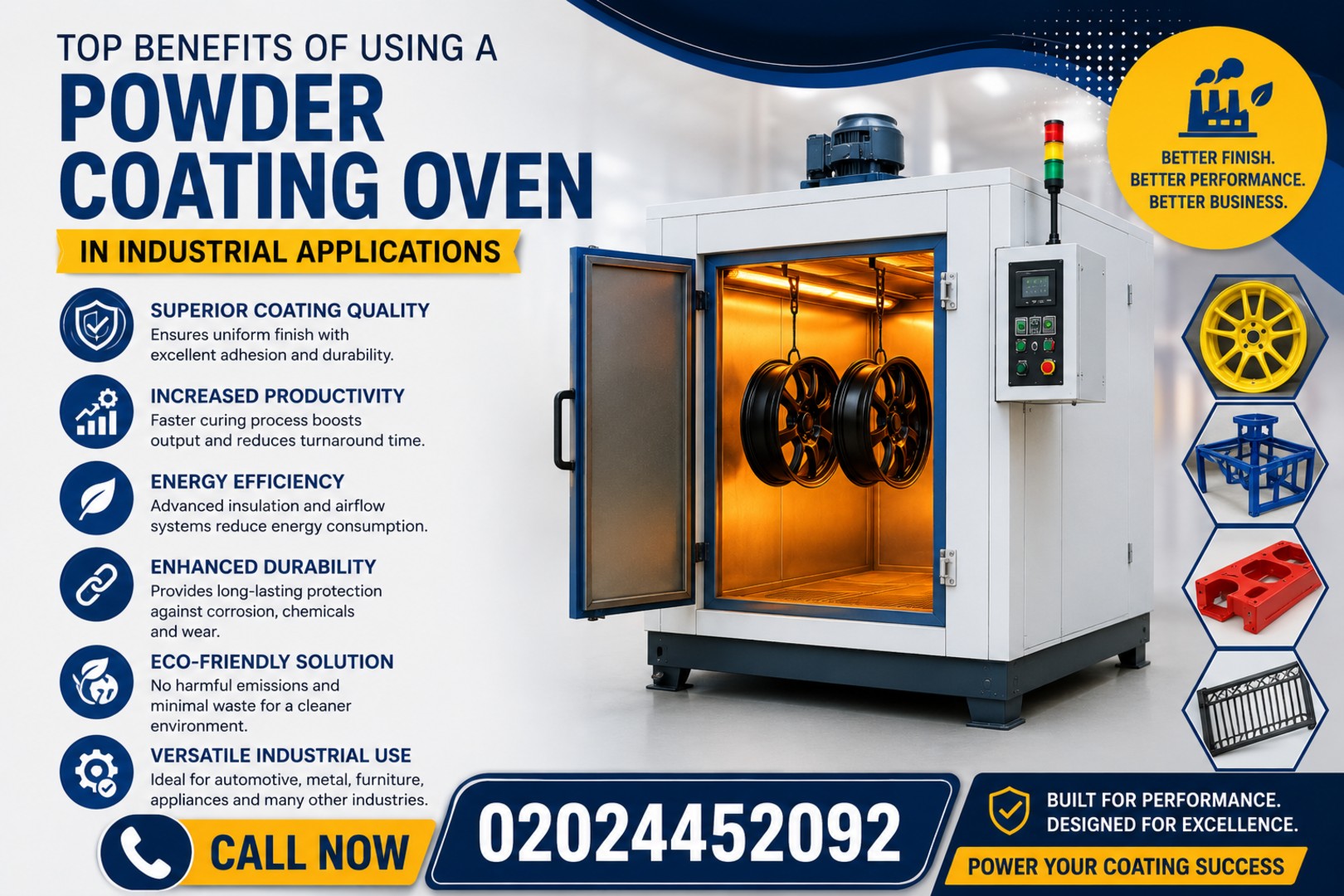
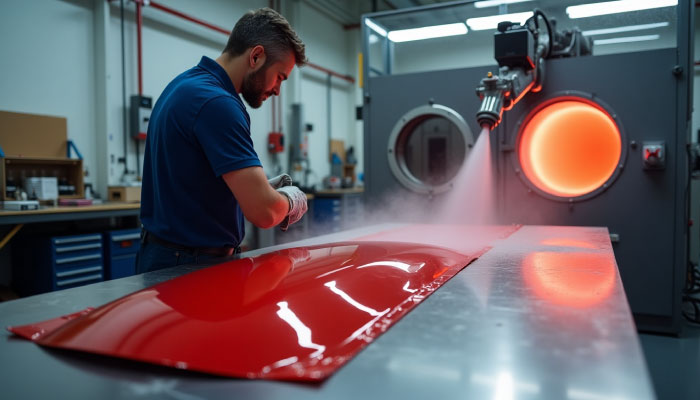
For example, businesses searching for a powder coating oven in pune maharashtra should focus on factors such as curing temperature accuracy, airflow management, and coating quality requirements rather than selecting a generic industrial oven.
Choosing equipment specifically designed for the intended application improves efficiency and process reliability.
Ignoring Maintenance Requirements
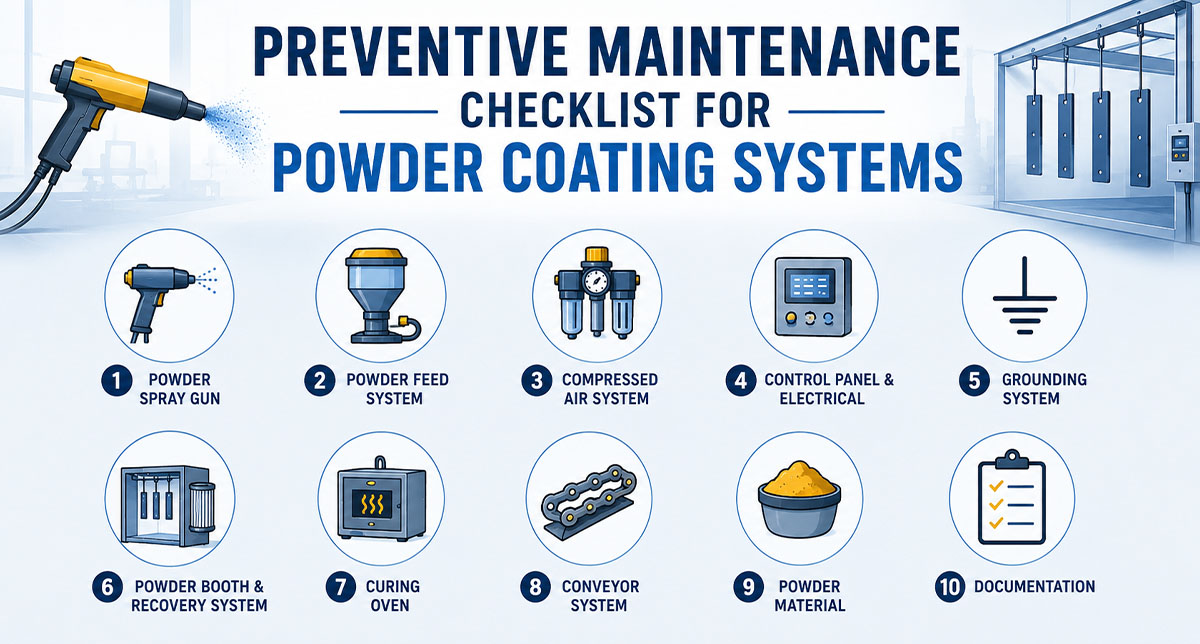
Maintenance plays a crucial role in equipment performance and longevity. Some manufacturers fail to evaluate maintenance accessibility before making a purchase.
Key questions to consider include:
Are replacement parts readily available?
How often does maintenance need to be performed?
Is technical support available?
Are components easy to access and service?
An oven that is difficult or expensive to maintain can increase downtime and operational costs over time.
Not Researching the Manufacturer
The reputation and experience of the manufacturer are important factors that should never be overlooked. A reliable supplier can provide quality equipment, installation support, training, and after-sales service.
Before purchasing, businesses should review:
Industry experience
Customer testimonials
Technical expertise
Service capabilities
Warranty coverage
Working with an established manufacturer can significantly reduce risks and ensure a smoother ownership experience.
Overlooking Automation and Control Features
Modern manufacturing environments increasingly rely on automation to improve efficiency and consistency. Some buyers choose basic equipment without considering advanced control options.
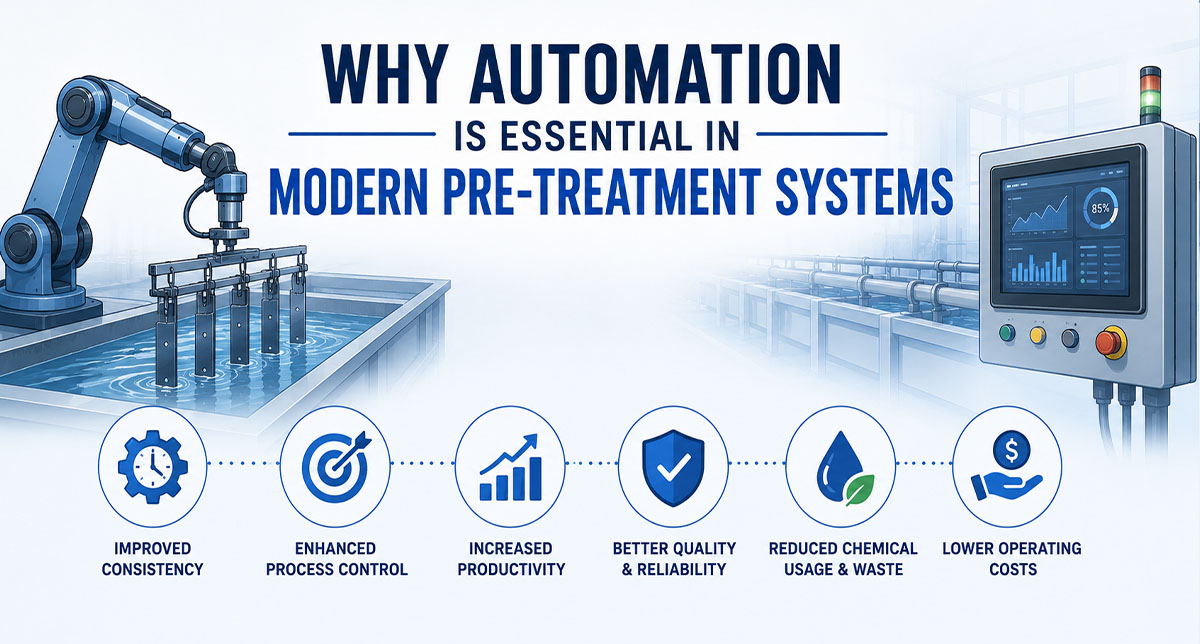
Features such as programmable settings, digital monitoring, automated process controls, and data tracking can improve productivity while reducing operator errors.
These capabilities help manufacturers maintain consistent quality standards and optimize production processes.
Conclusion
Purchasing an industrial oven is a long-term investment that directly impacts production efficiency, product quality, and operating costs. By avoiding common mistakes such as focusing only on price, neglecting energy efficiency, overlooking safety features, and failing to plan for future growth, manufacturers can make more informed decisions.
Careful evaluation of operational requirements, equipment capabilities, and supplier reliability will help businesses select industrial oven systems that deliver dependable performance and long-term value. Taking the time to research and compare options ensures a successful investment that supports both current production needs and future business growth.


.jpg)
.jpg)






.png)
.png)
.jpg)
.png)
.jpg)
.jpg)
.jpg)
.jpg)
.jpg)
.jpg)
.jpg)
.jpg)
.jpg)
.jpg)
.jpg)

hh.jpg)


5.jpg)

.jpg)
.jpeg)