Industrial Paint Booths Features Benefits and Applications
2026-06-29 07:32:30

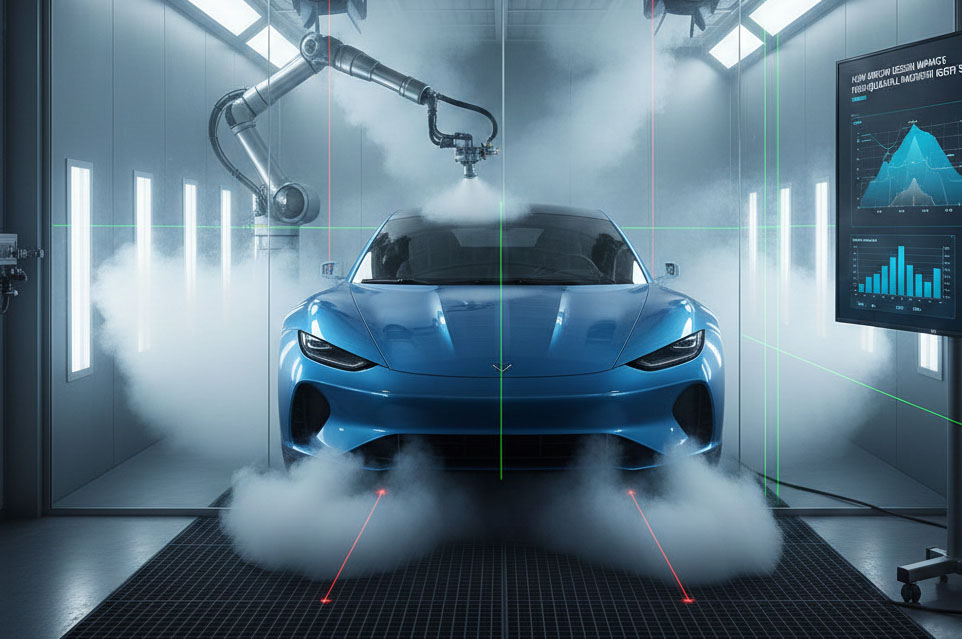
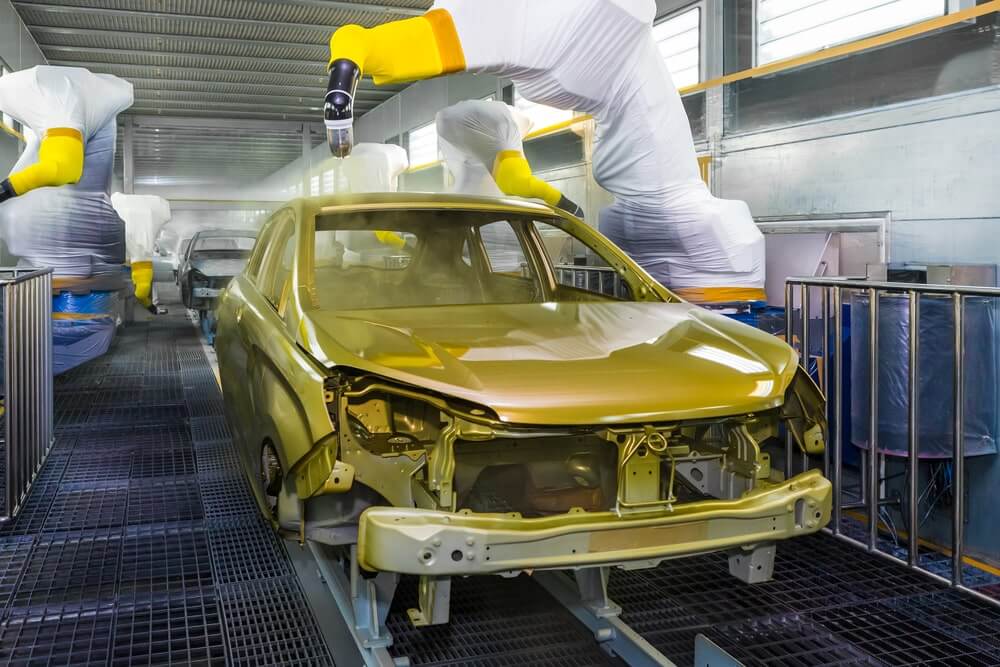
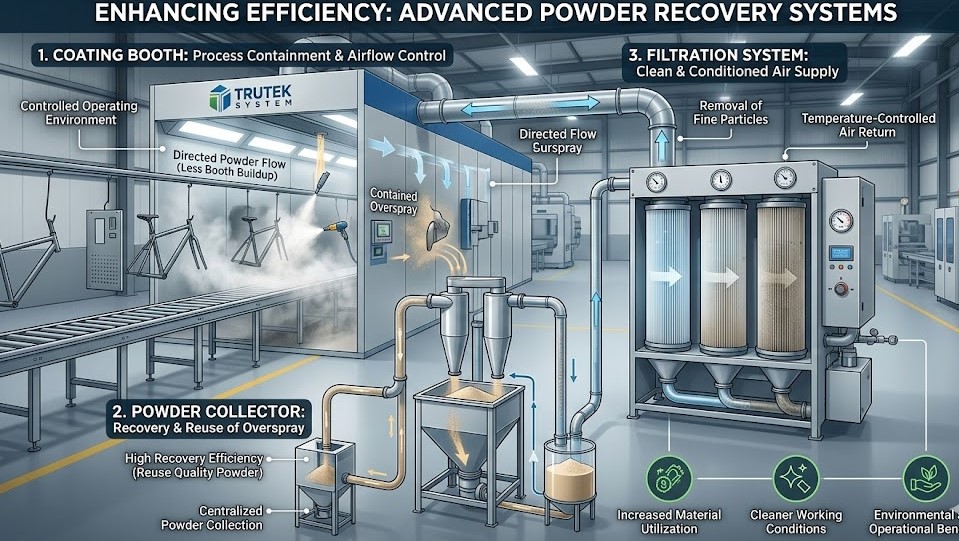
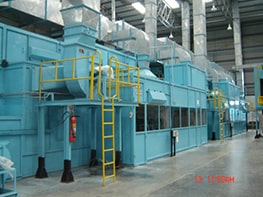
In an industrial paint booth system, airflow is more than ventilation. It is a key process factor that directly affects coating quality, consistency, and defect rates. A bad airflow design can cause surface contamination, uneven film thickness, overspray buildup, and repeated rework.
A well-designed airflow pattern creates a controlled environment. This helps ensure stable paint application and reliable curing conditions. Understanding how airflow impacts finish quality helps manufacturers improve both coating performance and production efficiency.
- Role of Airflow in Paint Application
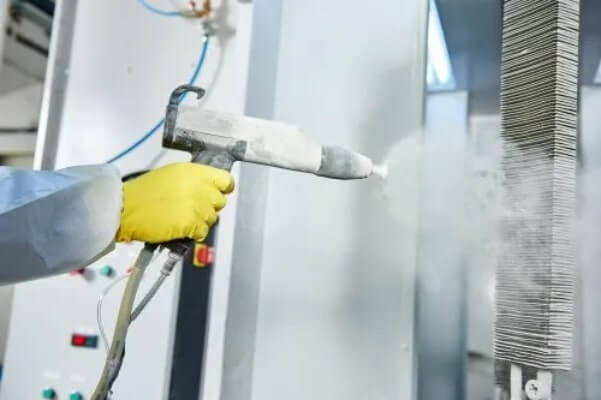
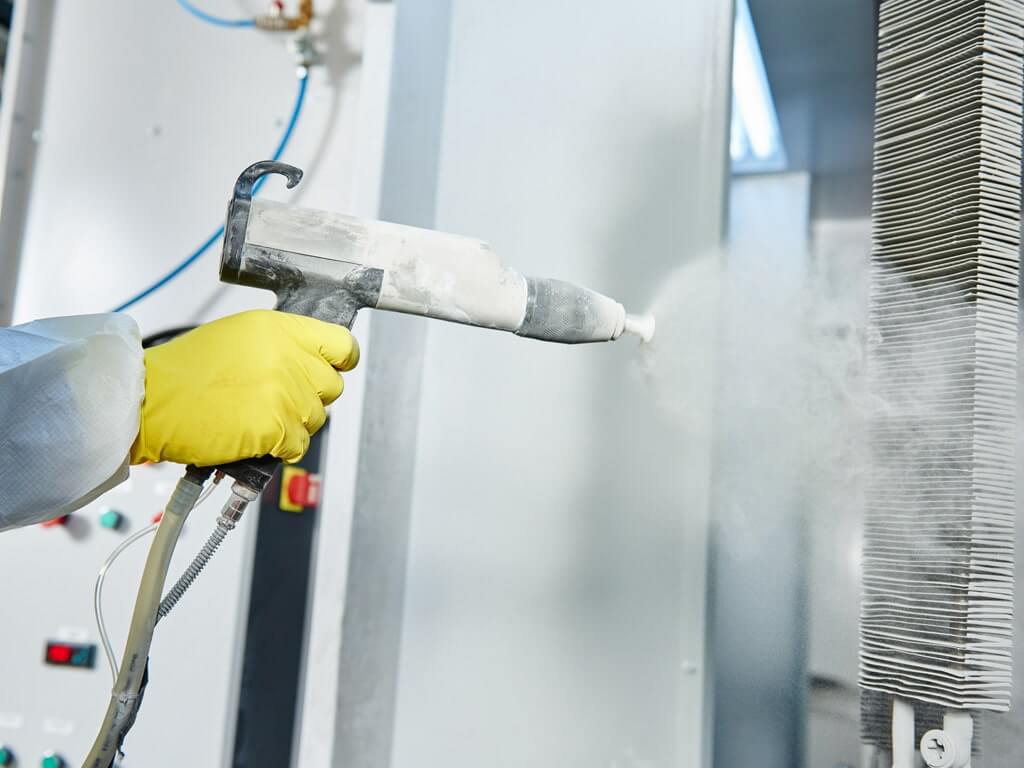
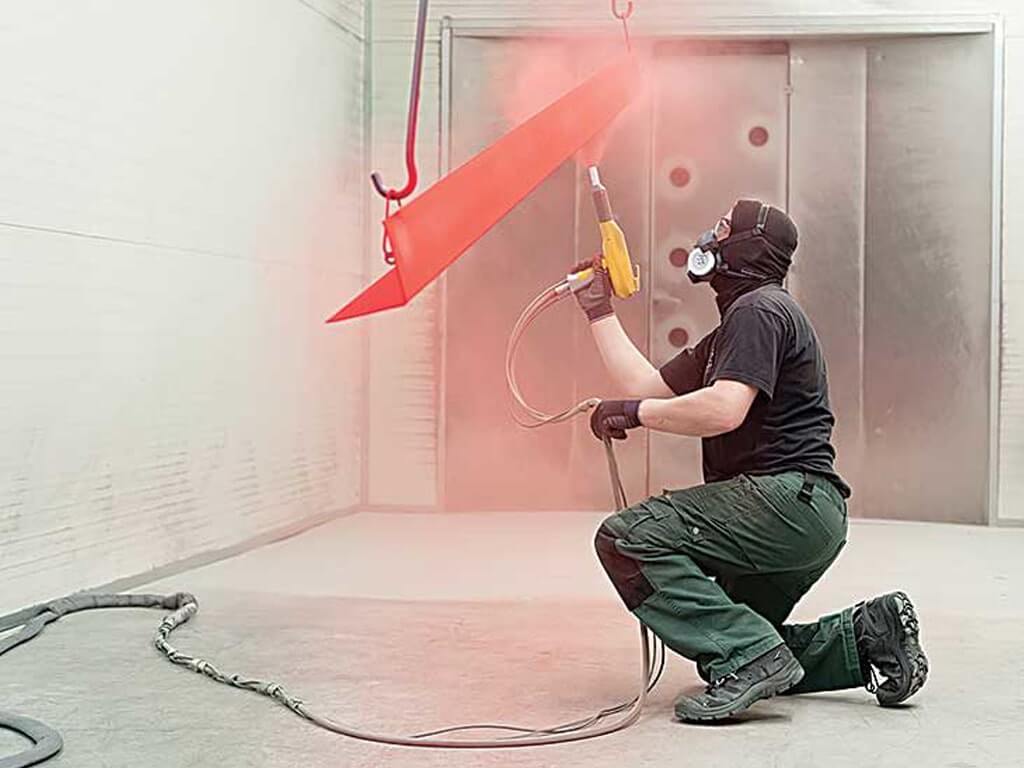
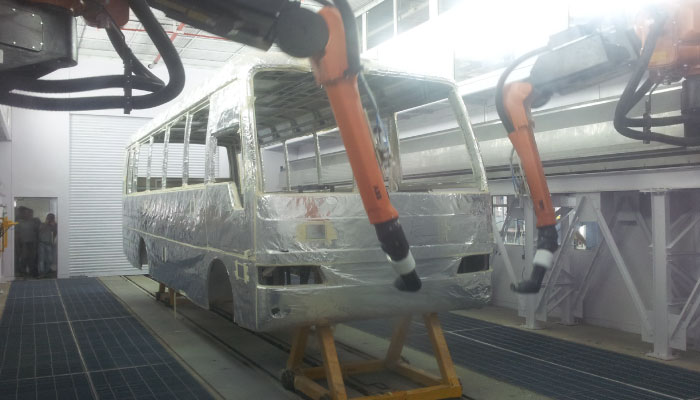
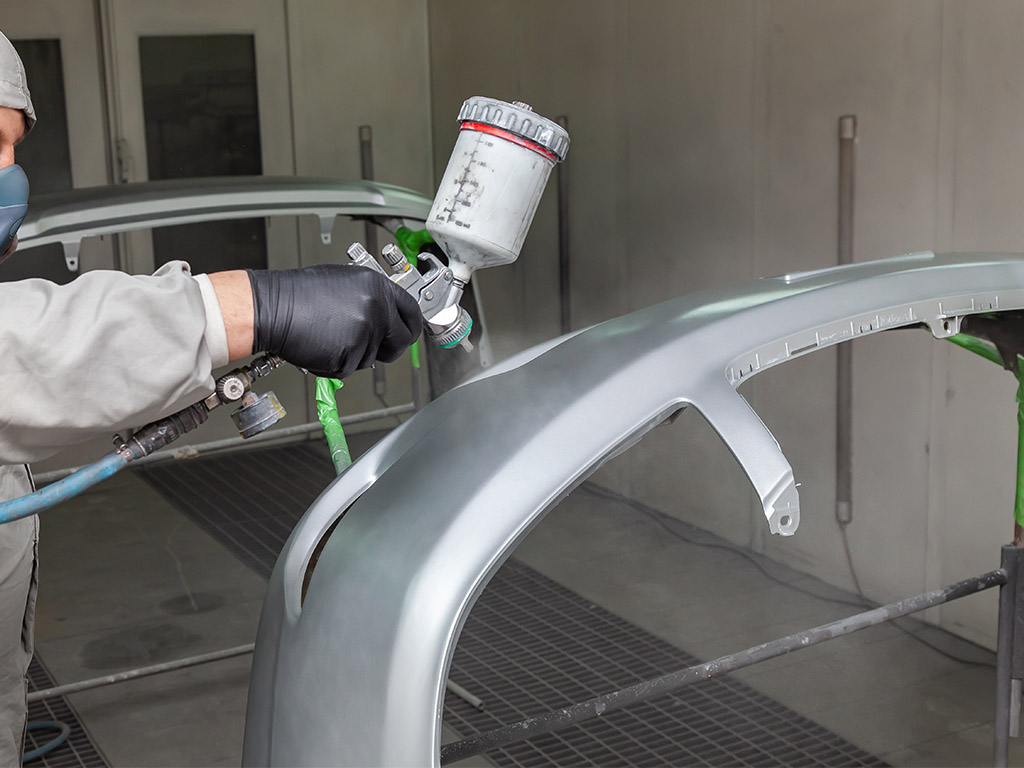
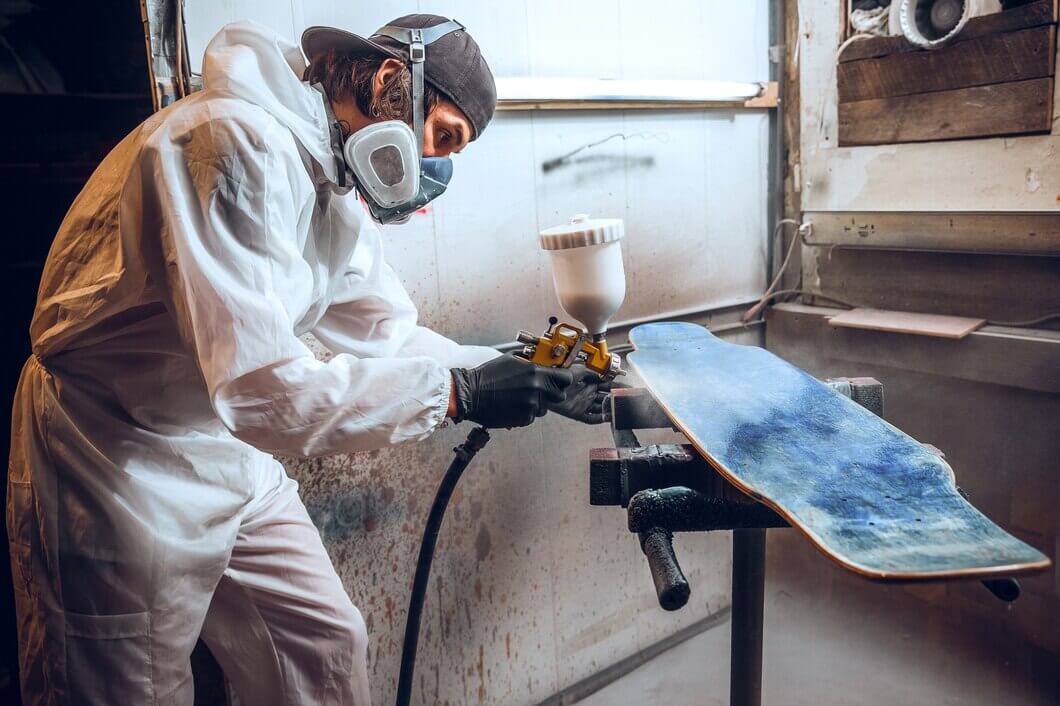
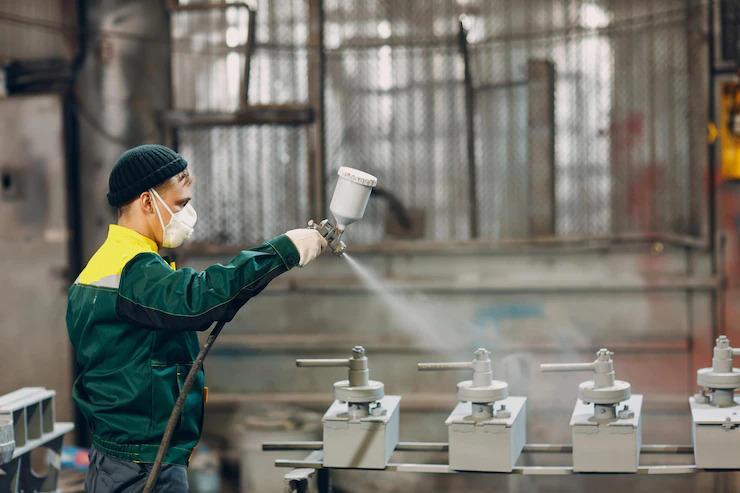
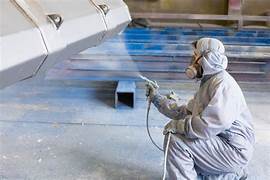
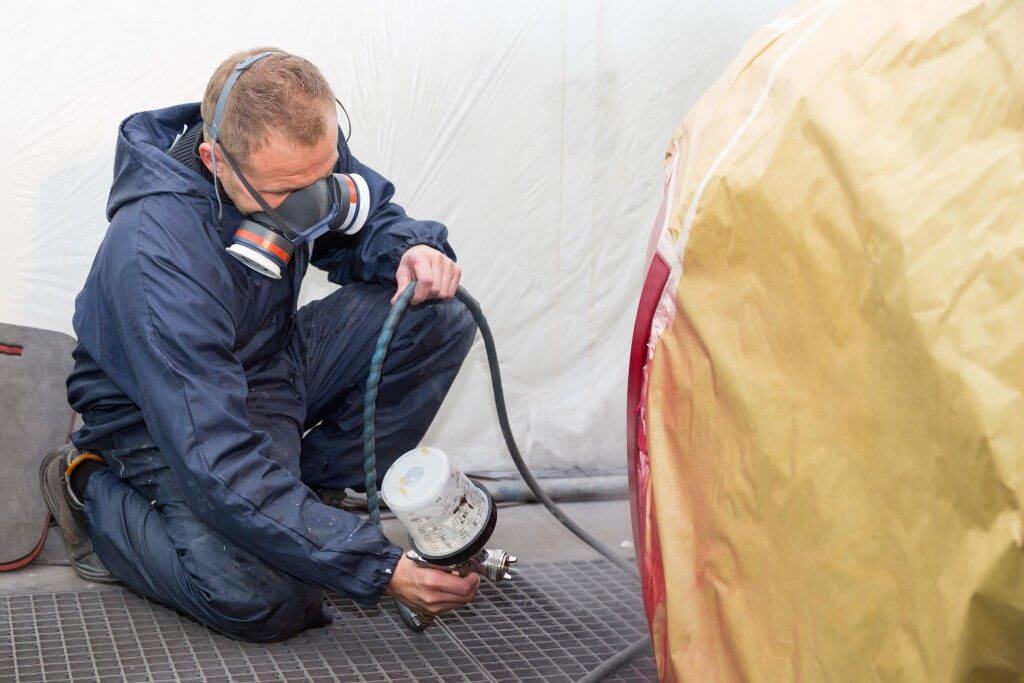
During spray painting, atomized paint particles must travel from the spray gun to the workpiece. At the same time, airborne contaminants are removed. Airflow performs three essential functions:
- Carries overspray away from the coated surface
- Prevents dust and fibers from settling on wet paint
- Maintains a stable spray pattern for uniform deposition
If airflow is turbulent, unbalanced, or poorly distributed, paint particles can bounce back or circulate in the booth. This increases the chance of defects like dirt inclusion, dry spray, and uneven coating thickness.
- Airflow Patterns and Their Effect on Finish
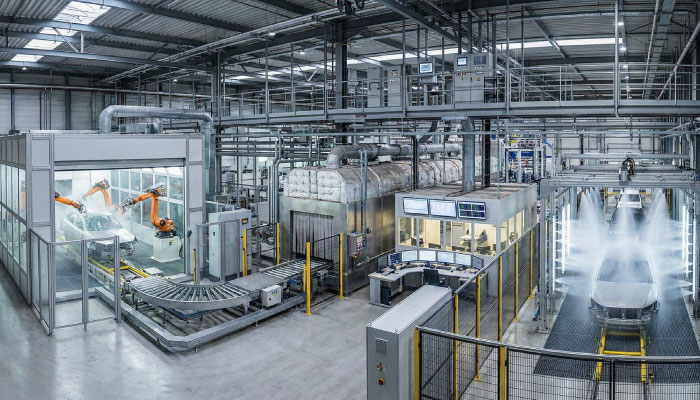
Different industrial paint booth systems use specific airflow setups. Each of these setups affects finish quality.
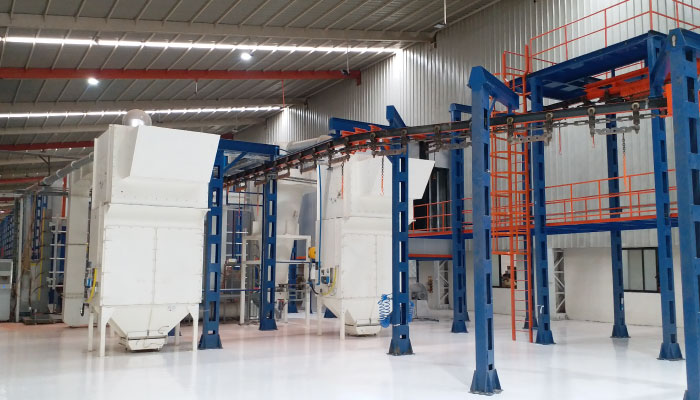
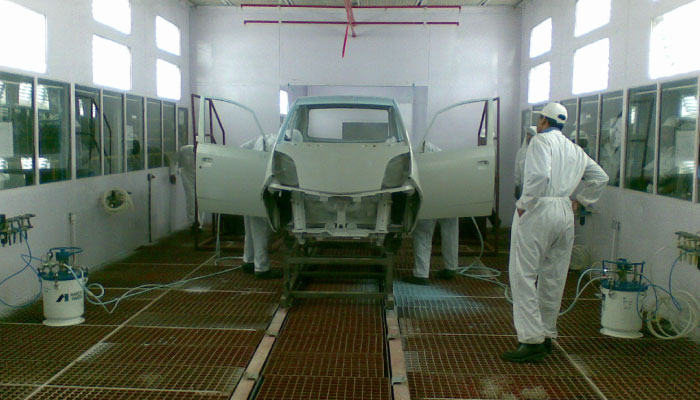
- Downdraft airflow systems move air straight down from ceiling filters to floor exhaust pits. This flow direction reduces horizontal particle movement and lowers the risk of contaminants landing on freshly coated surfaces. Downdraft systems are commonly used for high-finish industrial applications because they provide better overspray control.
- Crossdraft systems move air horizontally across the booth from intake filters to exhaust outlets. They have a simpler design, but they are more sensitive to operator movement and part geometry. Inconsistent airflow speed can cause paint fog to stay around the product, which leads to uneven surface texture.
- Semi-downdraft systems combine overhead intake with rear exhaust. This setup strikes a balance between cost and performance. However, it is crucial to engineer airflow uniformity to prevent dead zones where overspray can build up.
- Air Velocity and Surface Uniformity
Air velocity directly affects paint transfer efficiency and film build consistency. If the airflow speed is too high, it can:
- Disturb the spray pattern
- Increase paint bounce-back
- Causes dry spray and rough finishes
If the airflow is too low, overspray stays in the booth air. This raises the chances of surface contamination and haze formation.
Industrial paint booth systems are built to keep air velocity within a controlled range. This helps particles travel smoothly without causing turbulence. Having a uniform velocity throughout the entire working area is crucial for achieving an even coating thickness on large or complex components.
- Laminar vs Turbulent Flow
Finish quality improves significantly when airflow remains laminar rather than turbulent. Laminar flow ensures that air moves in parallel streams with minimal cross-currents. This allows paint particles to settle evenly on the surface.
Turbulence, often caused by improper duct placement, uneven filter loading, or poorly positioned exhaust points, creates unpredictable air movement.
This leads to defects such as:
- Orange peel
- Overspray shadows
- Patchy film thickness
- Trapped solvent vapors
Industrial paint booth systems designed with airflow modeling techniques reduce these risks by keeping stable pressure zones and balanced extraction points.
- Filtration and Air Distribution
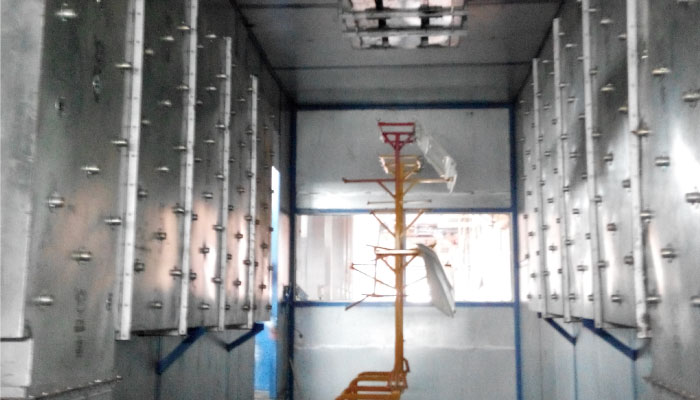
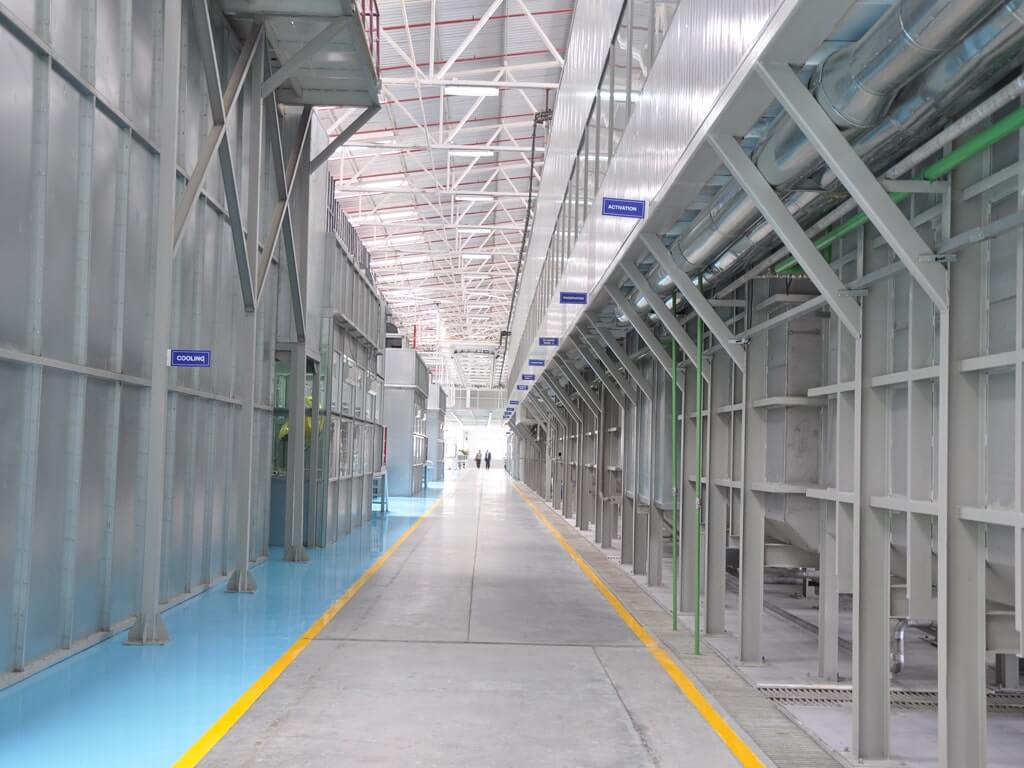
Airflow quality relies on the design of the filtration system. Intake filters need to deliver clean, evenly distributed air throughout the booth ceiling or wall panels. If the filter loading is uneven, it causes pressure drops in specific areas, which leads to inconsistent airflow paths.
Exhaust filters help improve finish quality by stopping paint mist from returning to the work area. A well-organized filtration system keeps airflow steady during the coating process. This maintains surface cleanliness and visual uniformity.
- Relationship Between Airflow and Environmental Control
Airflow works with temperature and humidity control systems. Stable airflow guarantees even heat distribution and solvent vapor removal. Both factors affect coating adhesion and surface levelling.
Poor airflow can create uneven temperature changes. These variations affect paint thickness and drying. As a result, defects like blushing, pinholing, or inconsistent gloss can appear on the part. An industrial paint booth system maintains controlled airflow patterns. This creates a steady micro-environment that supports consistent coating behavior, no matter the external conditions.
- Impact on Productivity and Rework Rates
Finish defects from poor airflow design led to higher rejection rates and more work for touch-ups. But better airflow reduces:
- Dust-related rework
- Paint consumption due to overspray loss
- Downtime caused by booth cleaning
This makes airflow design not only a quality factor but also a major contributor to overall operational efficiency.
Conclusion
Airflow design is crucial for finish quality in an industrial paint booth system. It controls how paint particles move, how contaminants are removed, and how environmental conditions stay stable during coating. Every aspect of the design, including airflow direction, speed, filtration, and pressure balance, affects surface appearance and coating performance.
When manufacturers treat airflow as a key process variable rather than a secondary utility, they achieve more uniform finish quality while reducing waste and rework. A well-designed industrial paint booth system makes coating a controlled and repeatable manufacturing operation.
Optimize finish quality and reduce rework with advanced industrial paint booth systems from Trutek System. Contact our team to get a customized solution for your production requirements.








.jpg)
.jpg)


.png)
.png)
.jpg)
.png)
.jpg)
.jpg)
.jpg)
.jpg)
.jpg)
.jpg)
.jpg)
.jpg)
.jpg)
.jpg)
.jpg)
hh.jpg)
5.jpg)
.jpg)
.jpeg)