Industrial Paint Booths Features Benefits and Applications
2026-06-29 07:32:30

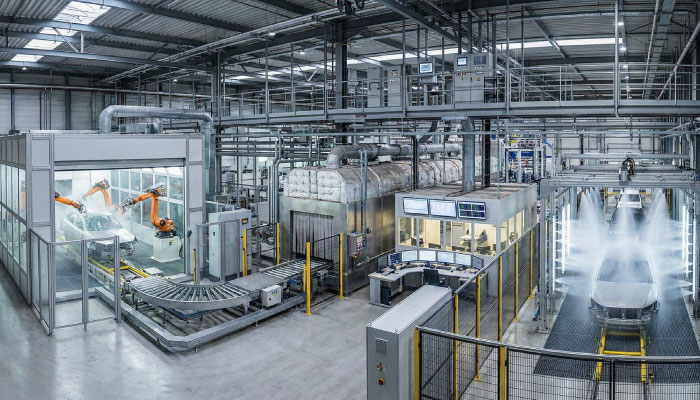
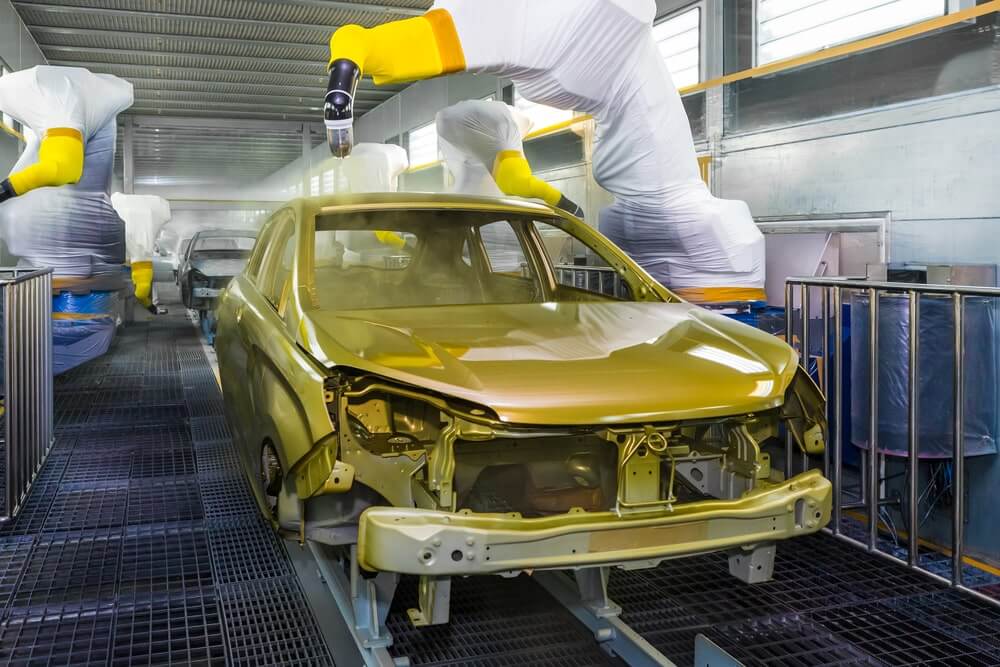
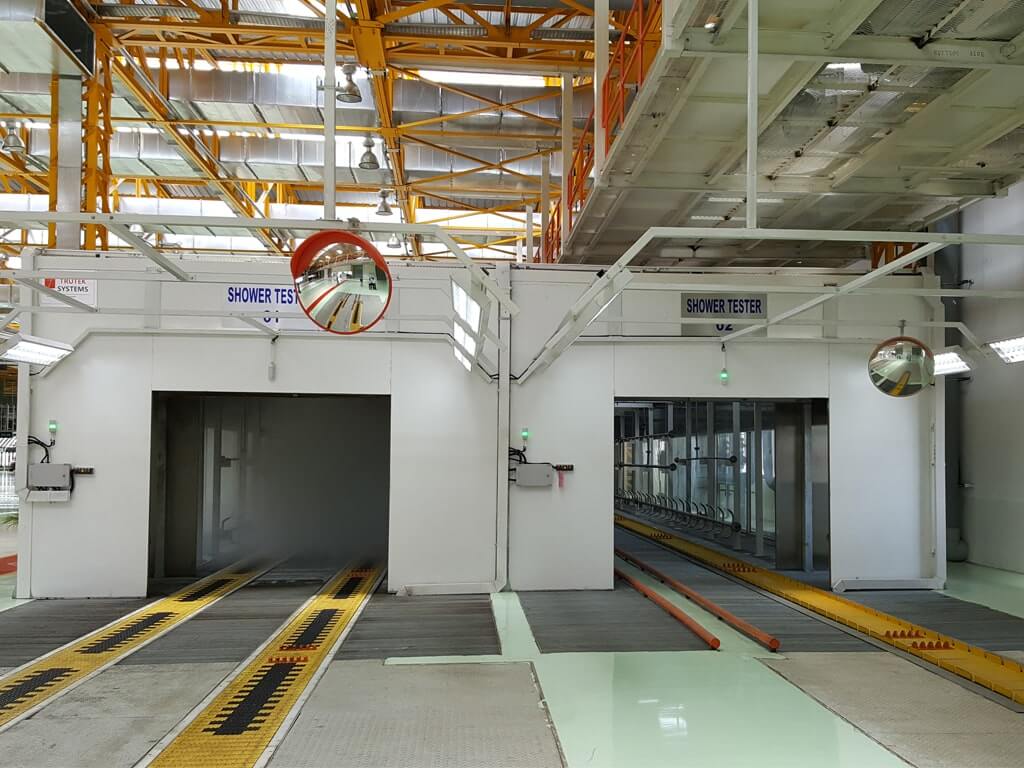
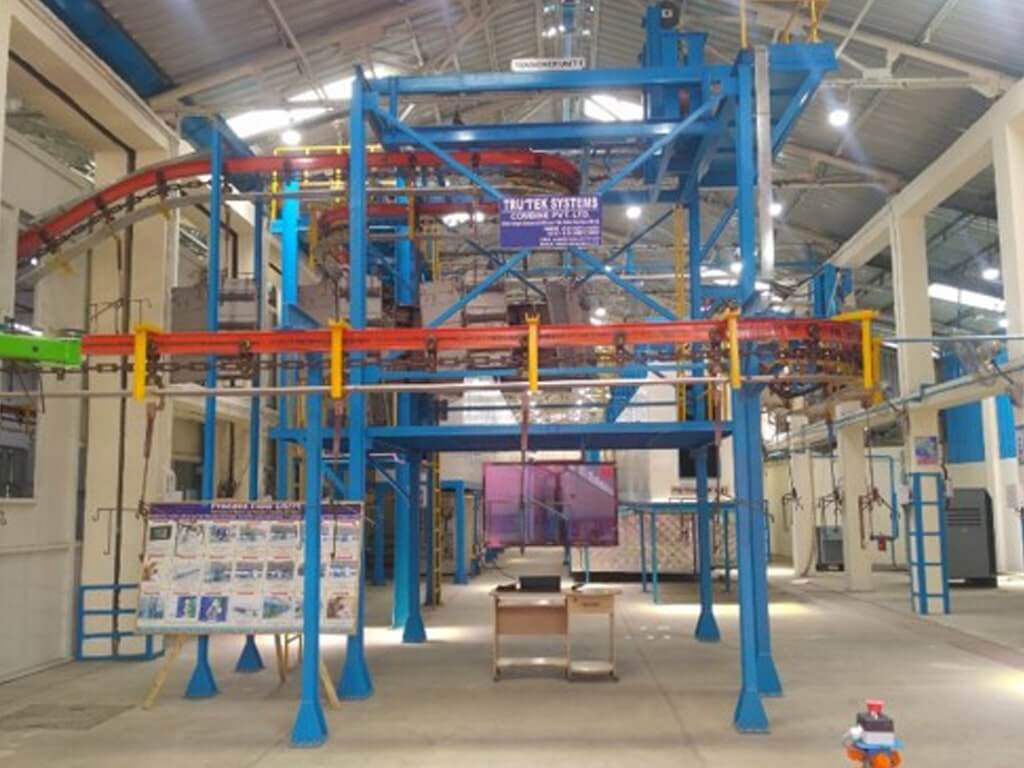
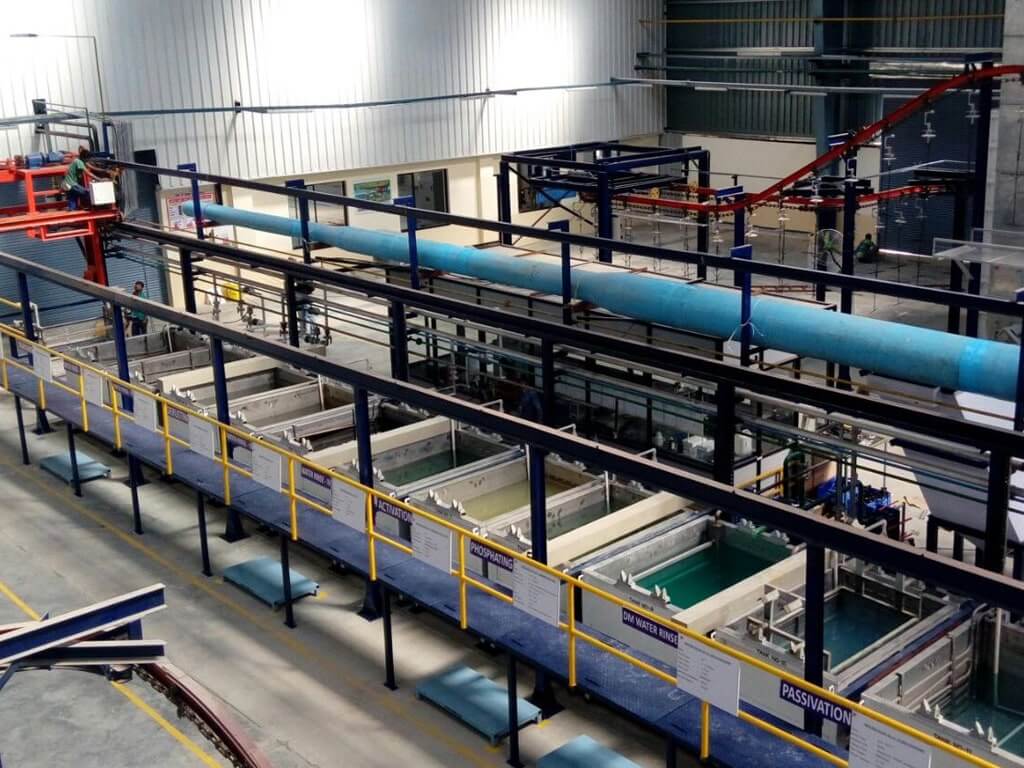
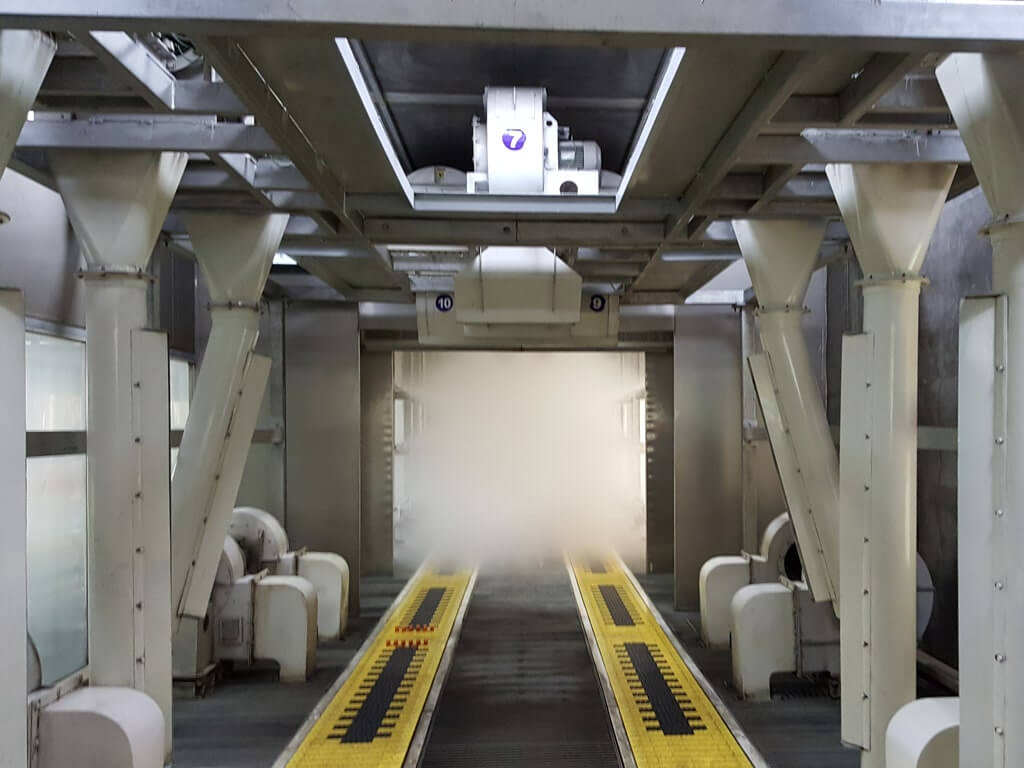
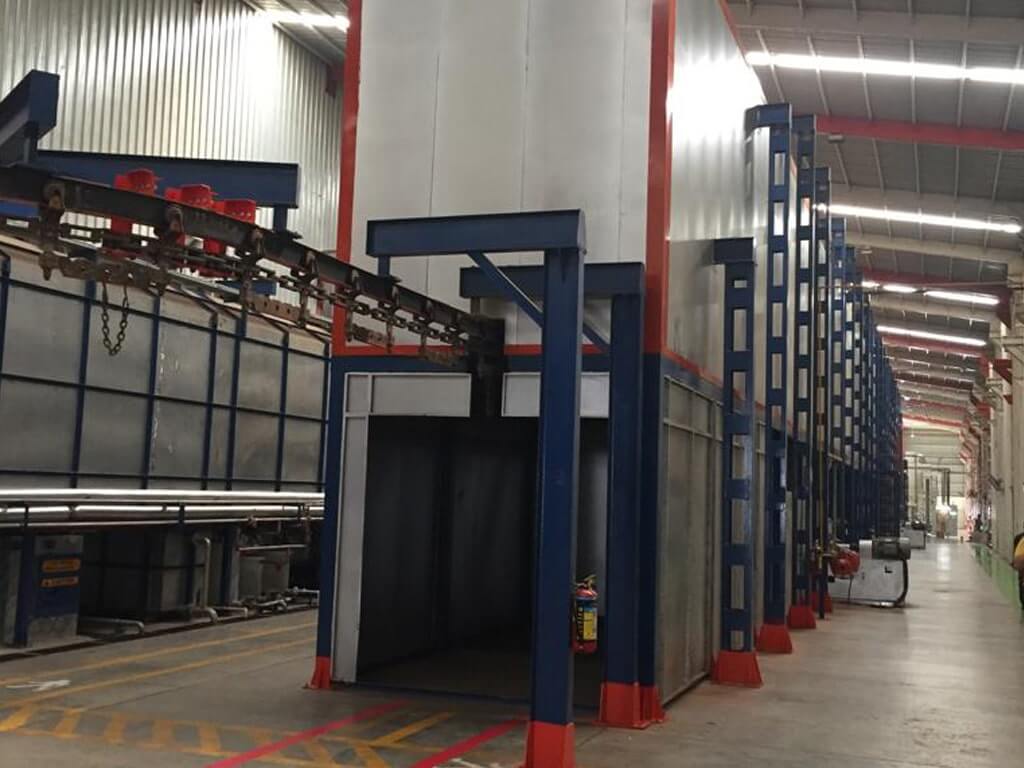
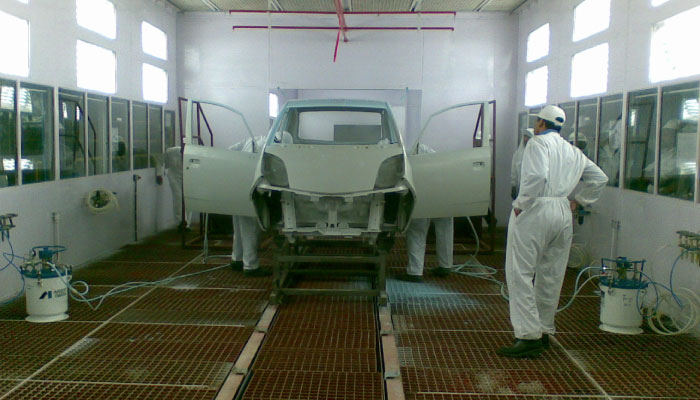
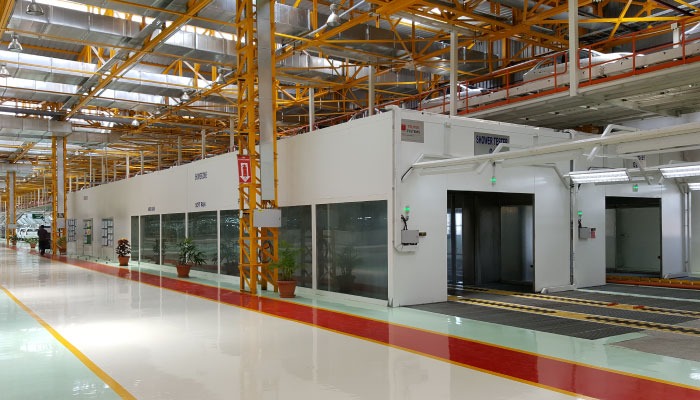
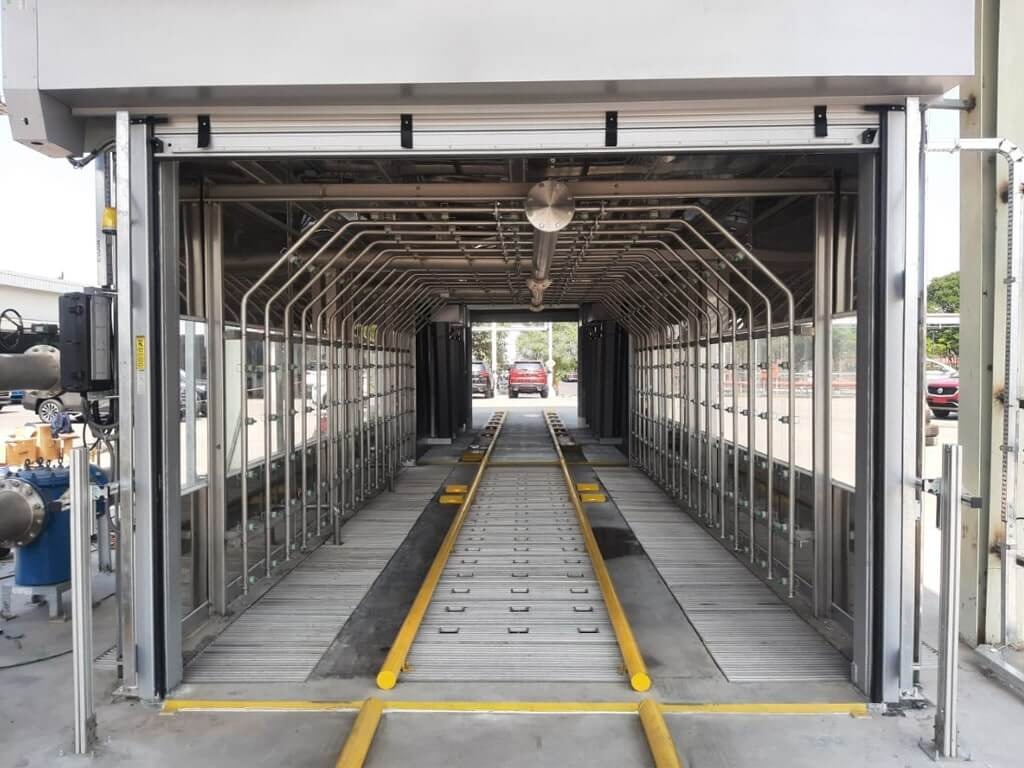
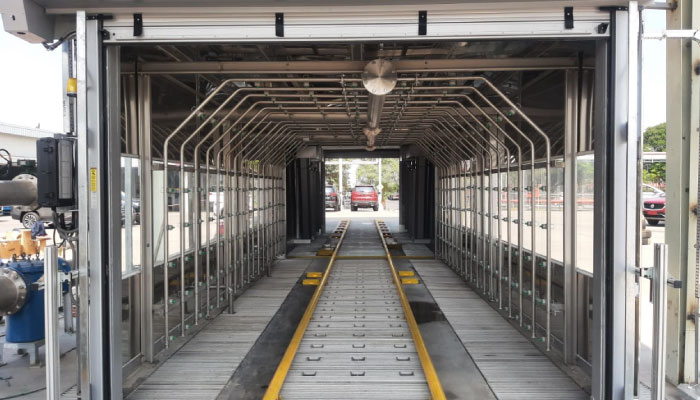
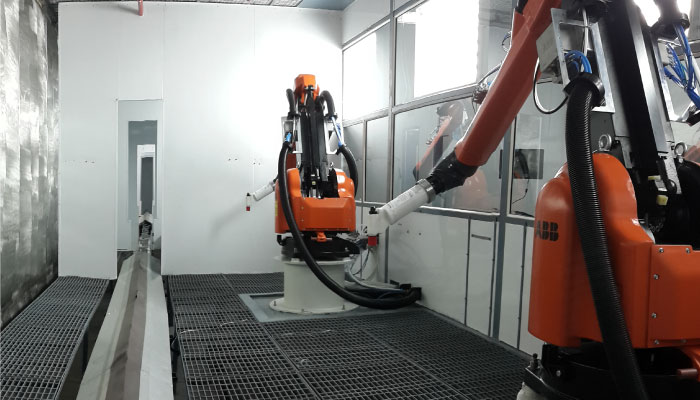
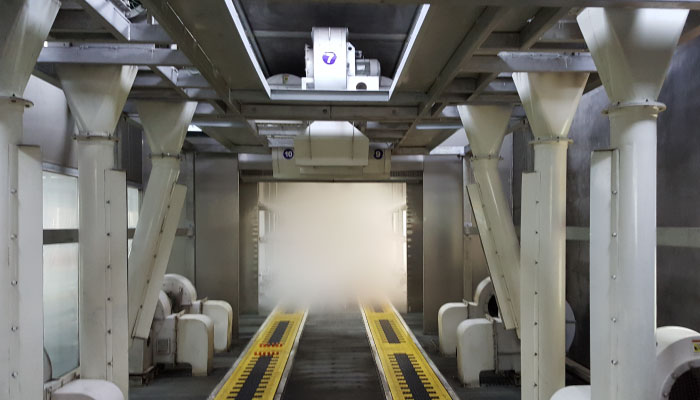
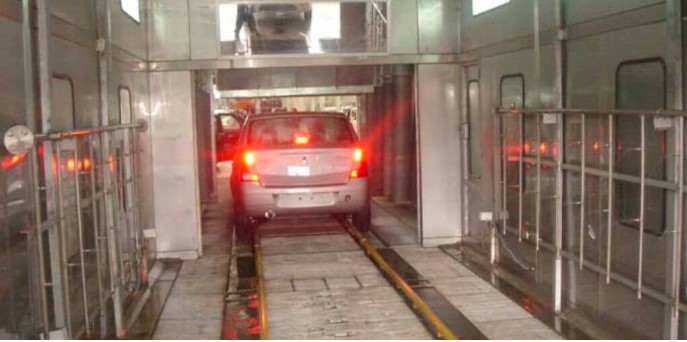
In today’s competitive industrial landscape, manufacturers face constant pressure to deliver projects more quickly, control costs, and minimize operational risks. Whether it is a paint shop, an automobile shower testing system, an industrial oven system, or an integrated automation system, project complexity has increased significantly.
Managing multiple vendors, timelines, and technical dependencies often leads to delays and cost overruns. This is where turnkey engineering provides a strong advantage.
Single-Point Responsibility Simplifies Coordination
One of the biggest cost drivers in industrial projects is divided responsibility. When different vendors manage design, equipment supply, automation, installation, and commissioning, coordination becomes complicated. Misalignment between suppliers often results in rework, scope gaps, and delays.
In a turnkey solution, one engineering partner handles everything. This eliminates interface conflicts between vendors and makes sure that each system is designed to work together smoothly. Streamlined coordination, quicker decisions, and clear accountability help shorten project timelines and reduce indirect costs.
Optimized Design Prevents Rework
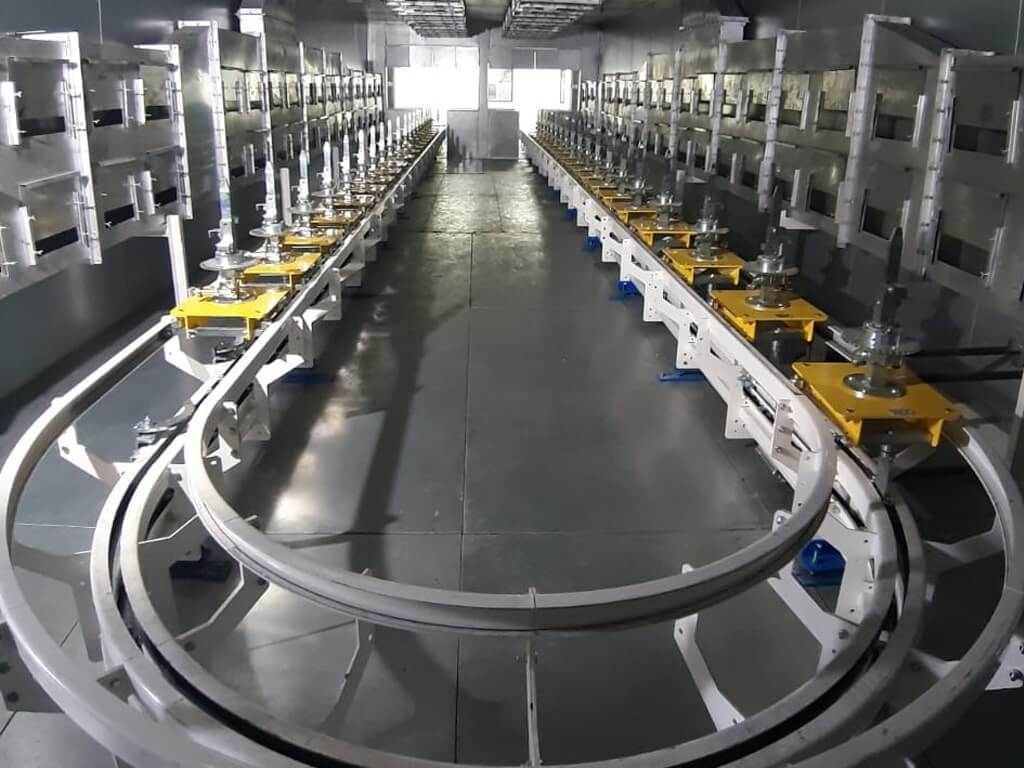
Turnkey engineering starts with a complete design approach. Instead of designing individual systems separately, the entire process flow, including layout, material handling, utilities, automation, and safety, is developed as one integrated solution.
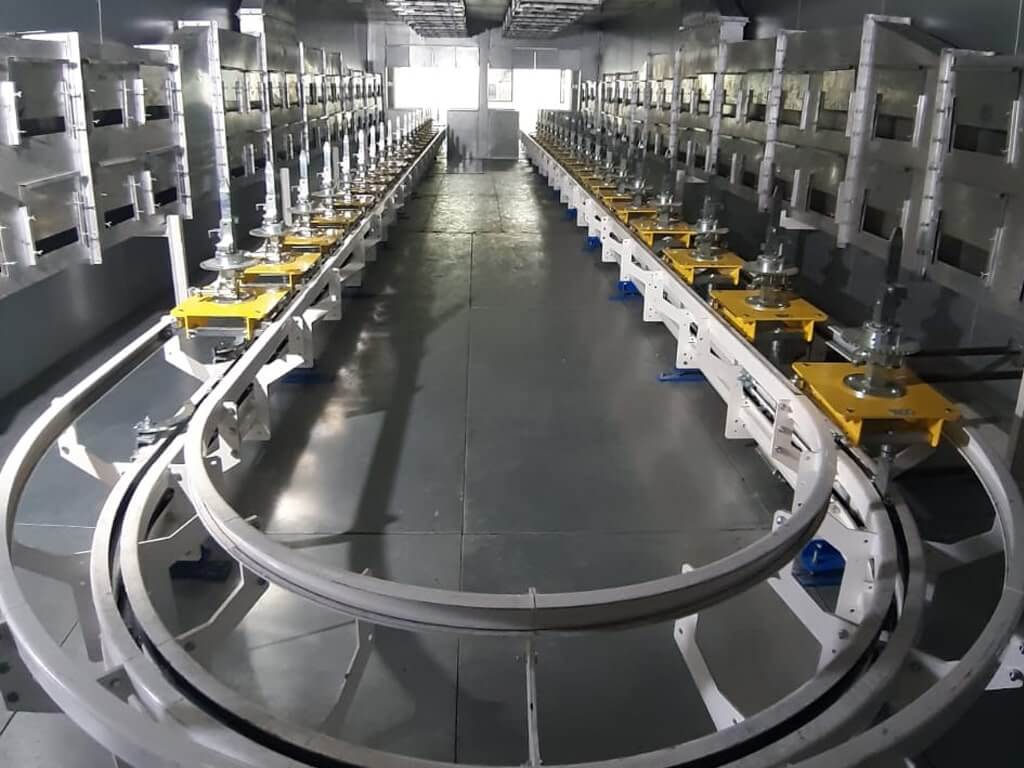
This early-stage optimization prevents common problems like space constraints, airflow imbalance, temperature inconsistencies, and conveyor mismatches that usually come up during installation. Identifying and resolving these issues during the design stage avoids costly changes later and helps keep project budgets and schedules on track.
Accelerated Project Execution
In traditional multi-vendor projects, activities progress in sequence—design approvals, procurement, and installation—so delays in any phase extend the entire schedule.
Turnkey partners use parallel engineering. This approach allows detailed design, equipment manufacturing, and automation development to move forward at the same time under a coordinated plan. This overlapping execution shortens project timelines without sacrificing quality and compliance. Faster execution leads to an earlier production start-up, which lets manufacturers see returns on investment more quickly.
Better Cost Management
Cost overruns in industrial projects often come from scope creep, late design changes, and unexpected site modifications. Turnkey engineering reduces these risks by clearly defining the scope, responsibilities, and deliverables from the start.
With a single contract and consolidated pricing, manufacturers gain better visibility into total project cost. Procurement efficiencies, standardized components, and improved engineering lower capital spending. Most importantly, minimizing unforeseen challenges during execution helps keep the budget in check throughout the project lifecycle.
Reduced Installation and Upgrade Downtime
For brownfield projects or plant upgrades, downtime is a major cost factor. Poorly coordinated installations can disrupt ongoing operations and cause production losses.
An experienced turnkey partner plans installations based on plant schedules, safety protocols, and operational limits. Pre-assembled modules, off-site testing, and phased commissioning cut down on-site work and limit disruption. This organized method allows for a quicker ramp-up with little effect on existing production.
Integrated Automation Reduces Operating Costs
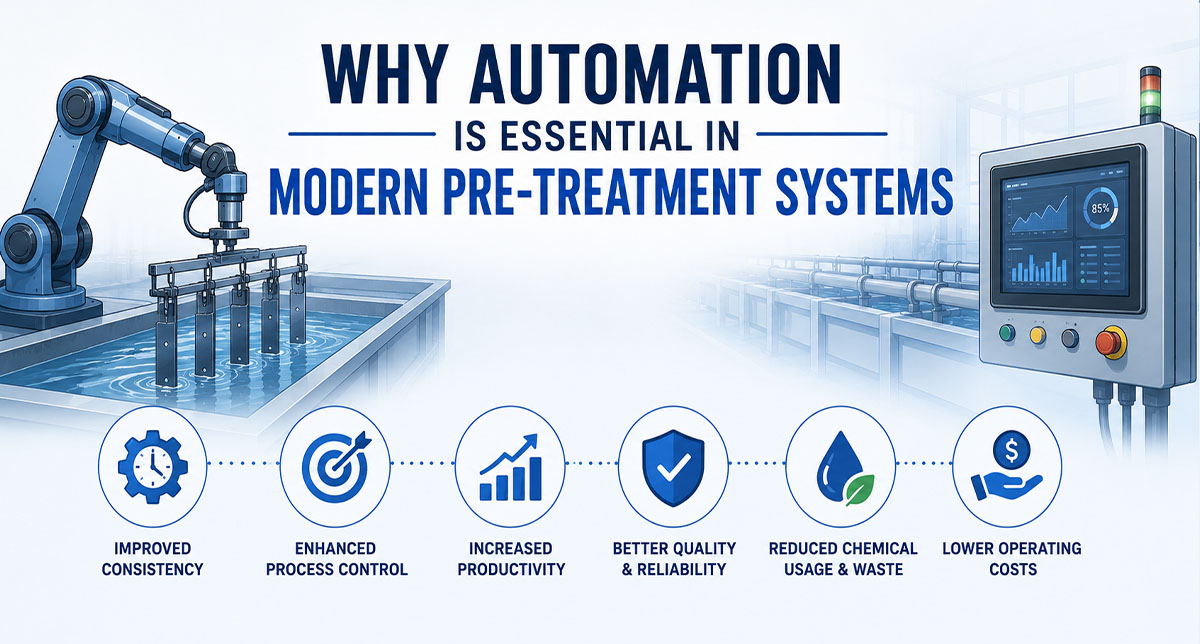
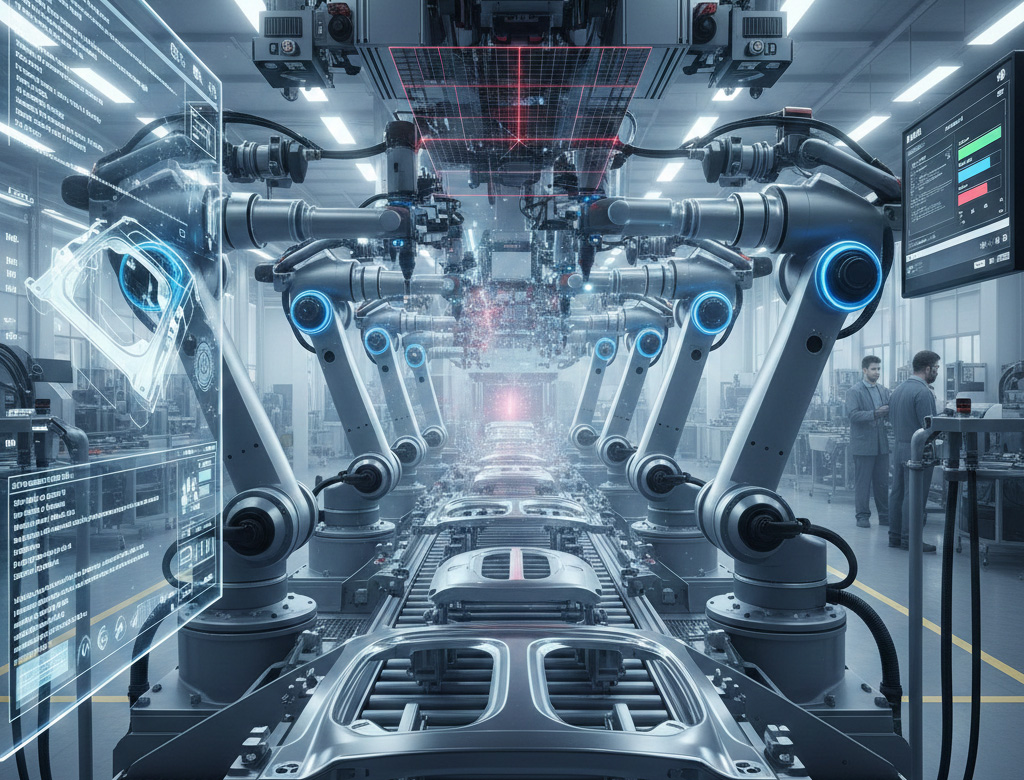
Turnkey engineering isn't just about mechanical installation; it also involves automation and controls integration. When PLCs, HMIs, sensors, and process controls are designed together with equipment, systems work more efficiently from the start.
Optimized automation reduces energy use, improves process consistency, and lowers maintenance needs. Throughout the system’s lifecycle, these efficiencies provide significant cost savings that go beyond the initial project investment.
Simplified Commissioning & Faster Production
Commissioning is often where delays show up the most. Different vendors' troubleshooting interfaces can slow down validation and handover. In turnkey projects, commissioning follows a set plan, and all systems are tested as a complete unit.
Since the same team that designed and installed the system also runs it, troubleshooting is faster and more efficient. This supports faster system stabilization, consistent output quality, and a smooth transition to full-scale production.
Risk Reduction Through Proven Expertise
Industrial projects come with technical, operational, and safety risks. Turnkey engineering shifts much of this risk to a skilled partner who has proven expertise in the field. A turnkey provider makes sure that systems follow regulations and safety standards while also meeting performance guarantees and specified requirements.
This lowers the chances of needing corrections after installation, facing compliance problems, or dealing with long-term performance issues, all of which can be expensive if not handled early.
Why Turnkey Engineering Is a Smart Business Choice?
Turnkey engineering is more than a delivery model; it is a strategic investment that reduces coordination effort, prevents rework, speeds execution, and improves overall cost and time performance.
Manufacturers benefit from predictable timelines, controlled budgets, and reliable system performance. This allows them to focus on their main production goals rather than handle project management problems.
Partner with Trutek Systems for Turnkey Industrial Solutions
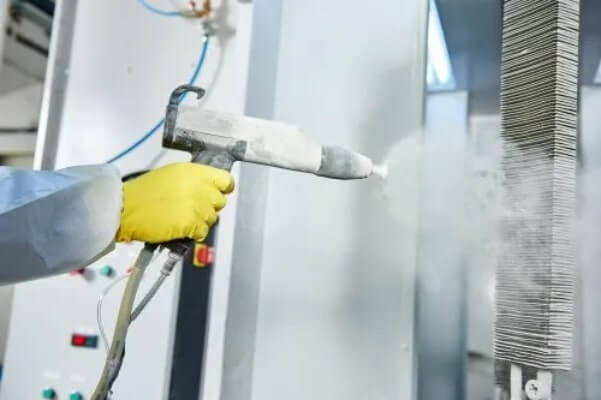
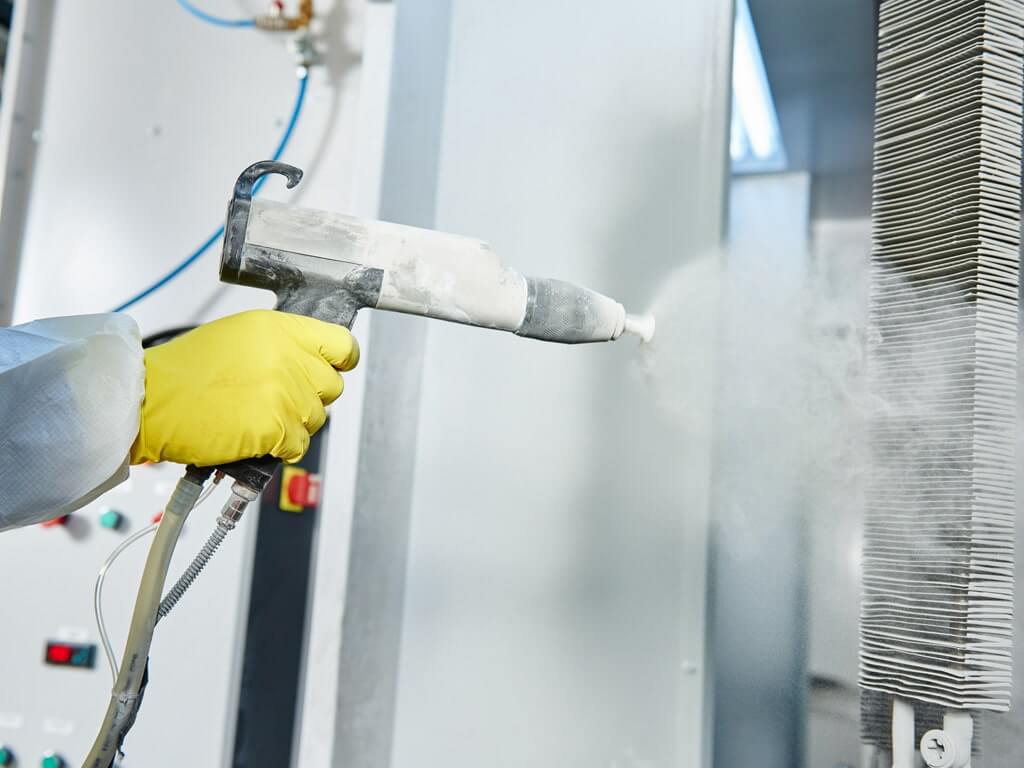
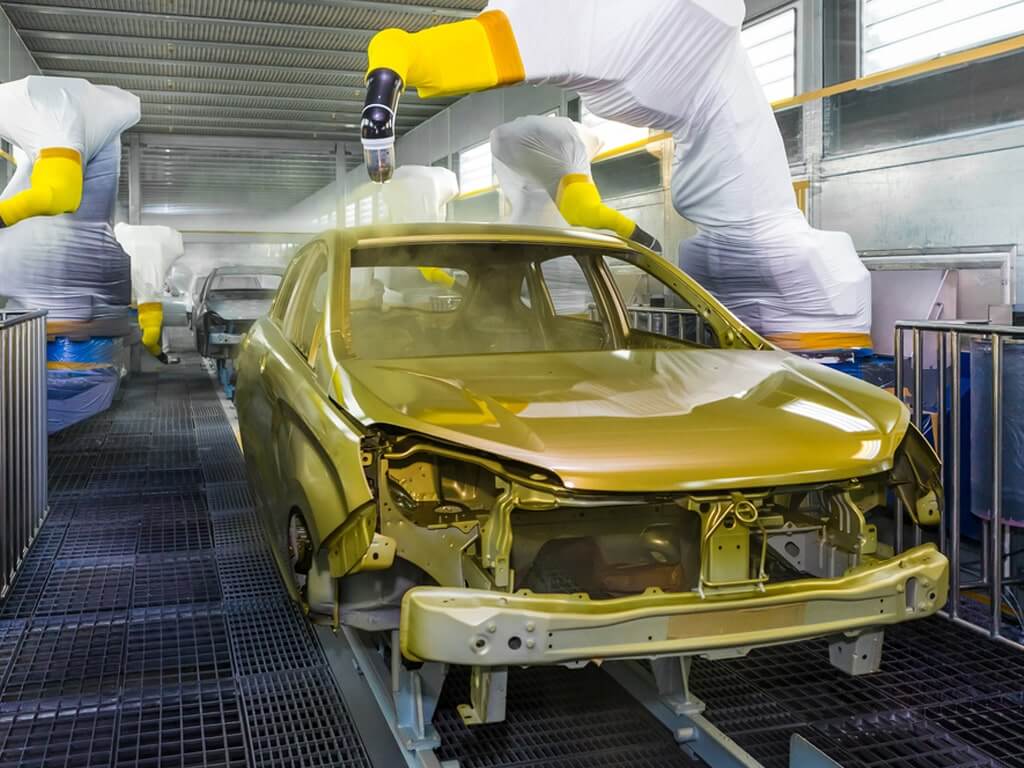
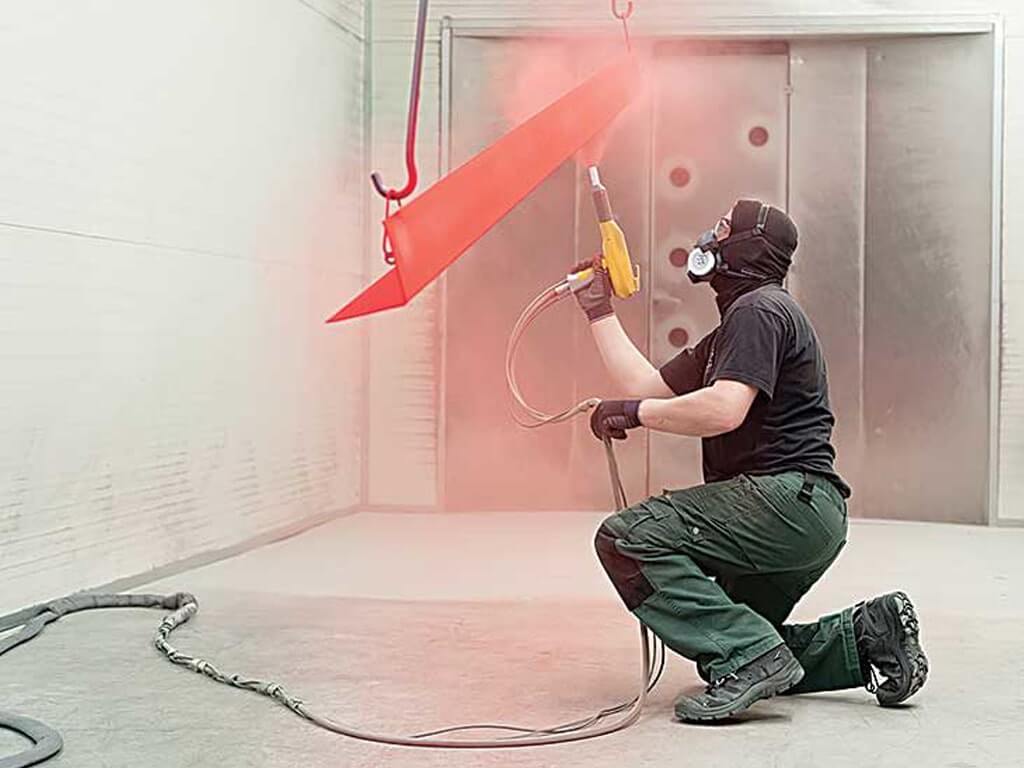
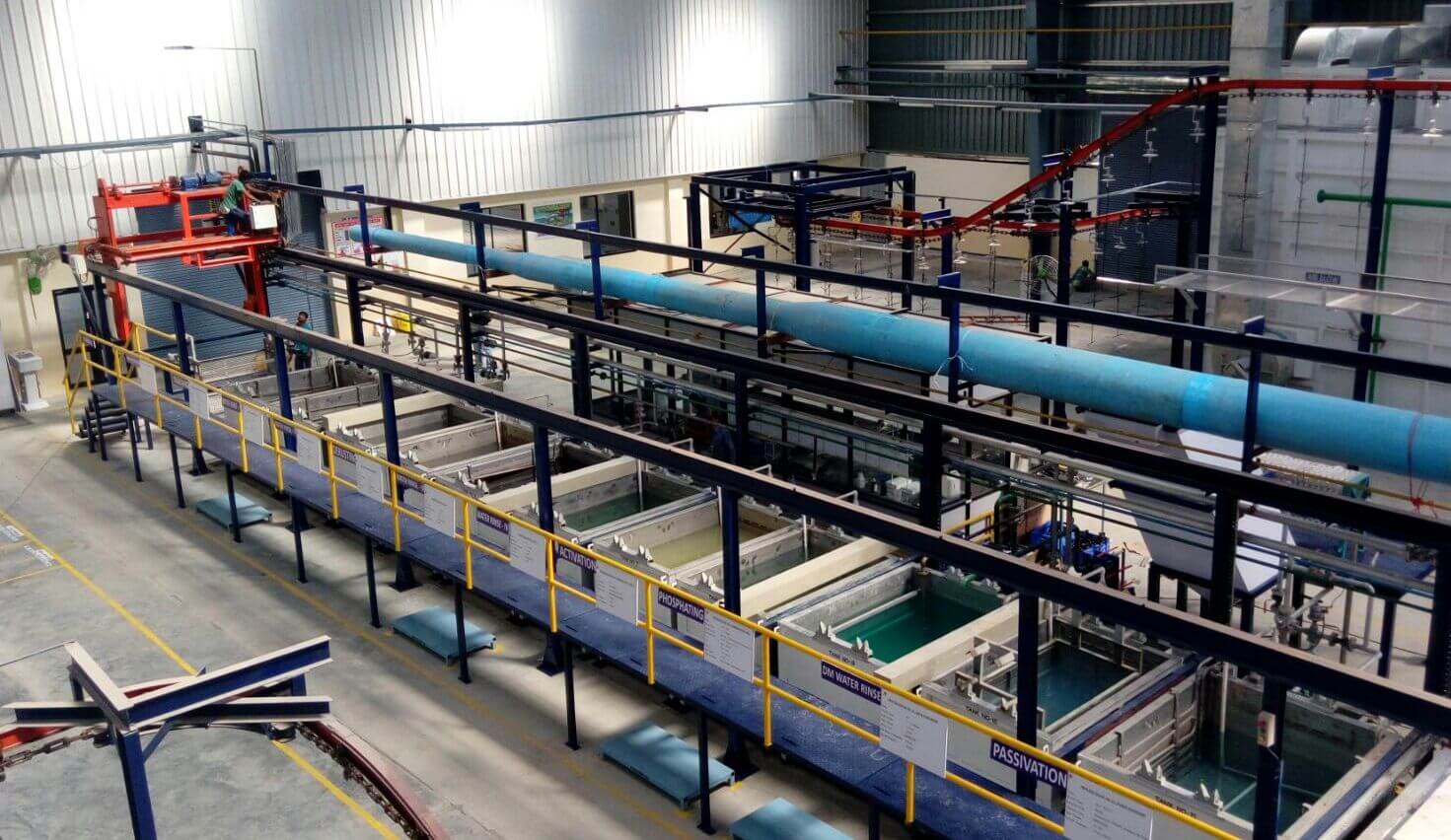
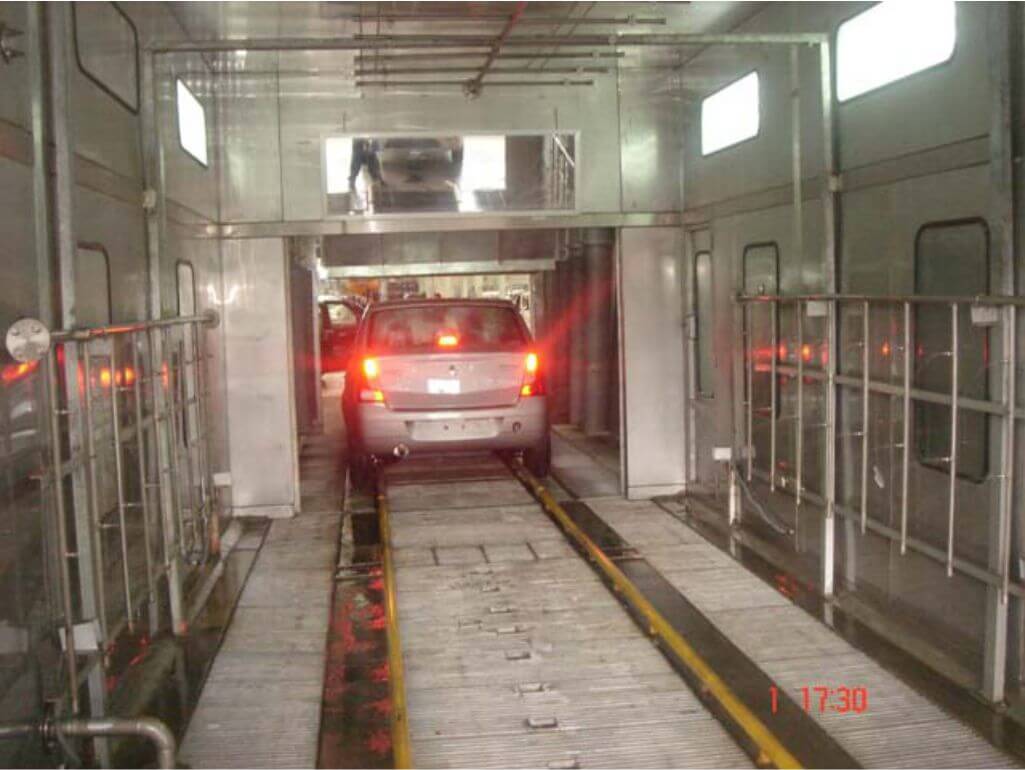
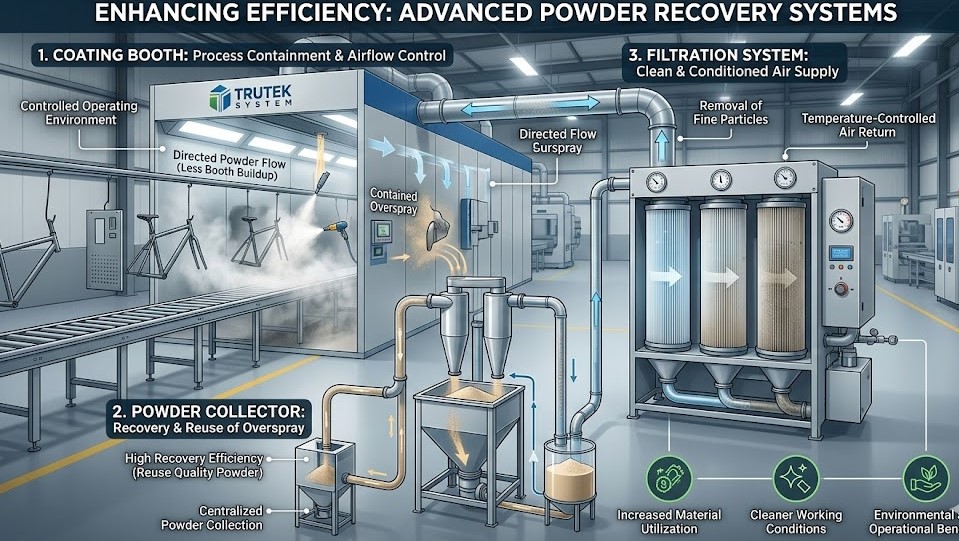
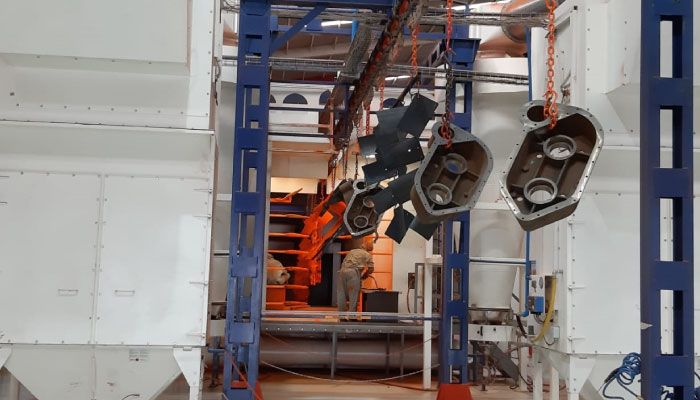
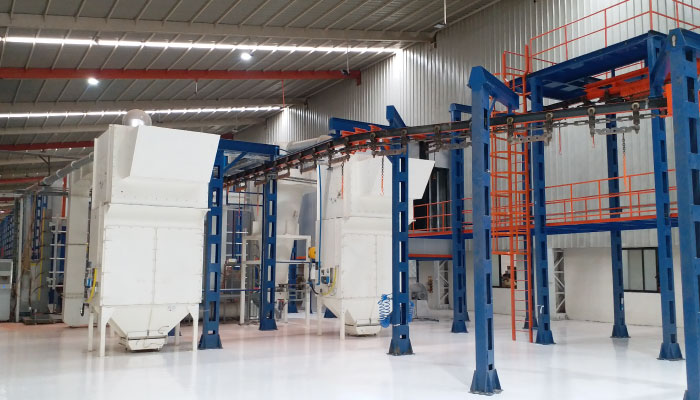
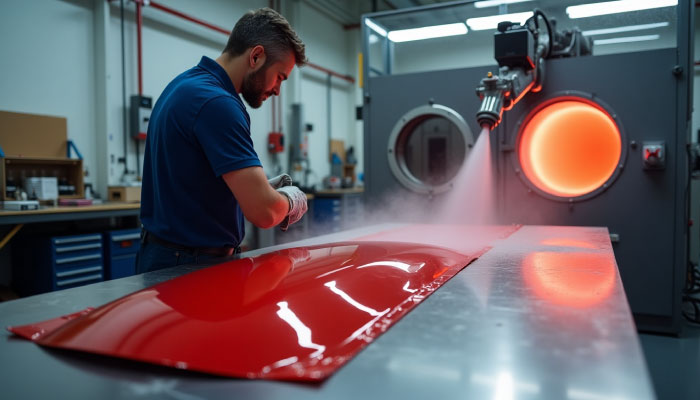
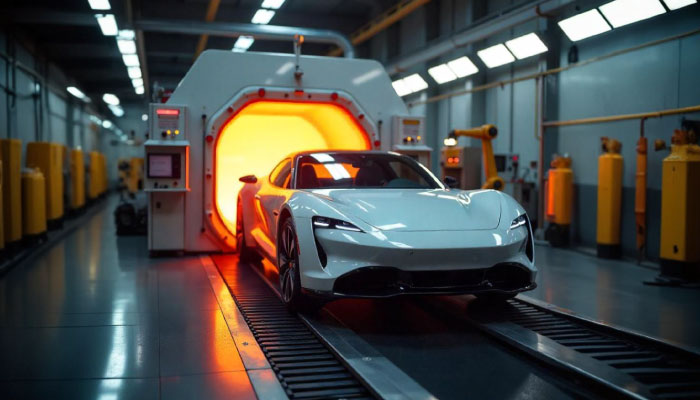
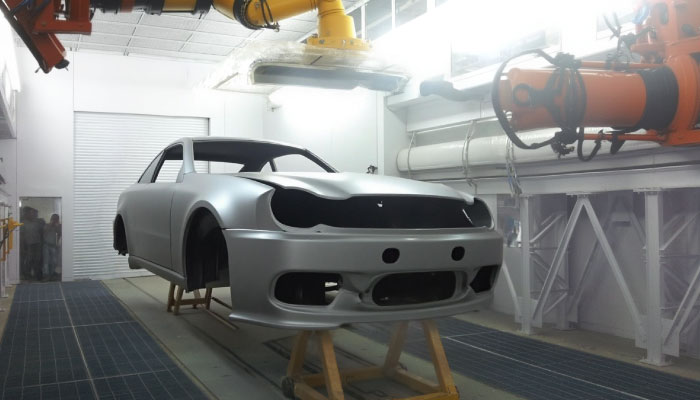
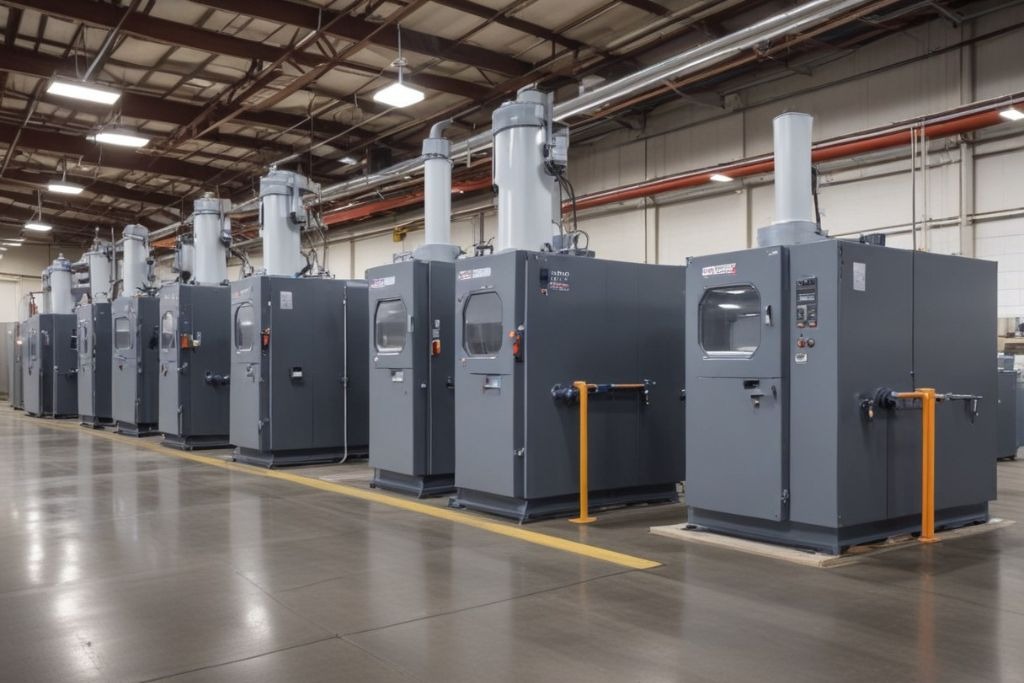
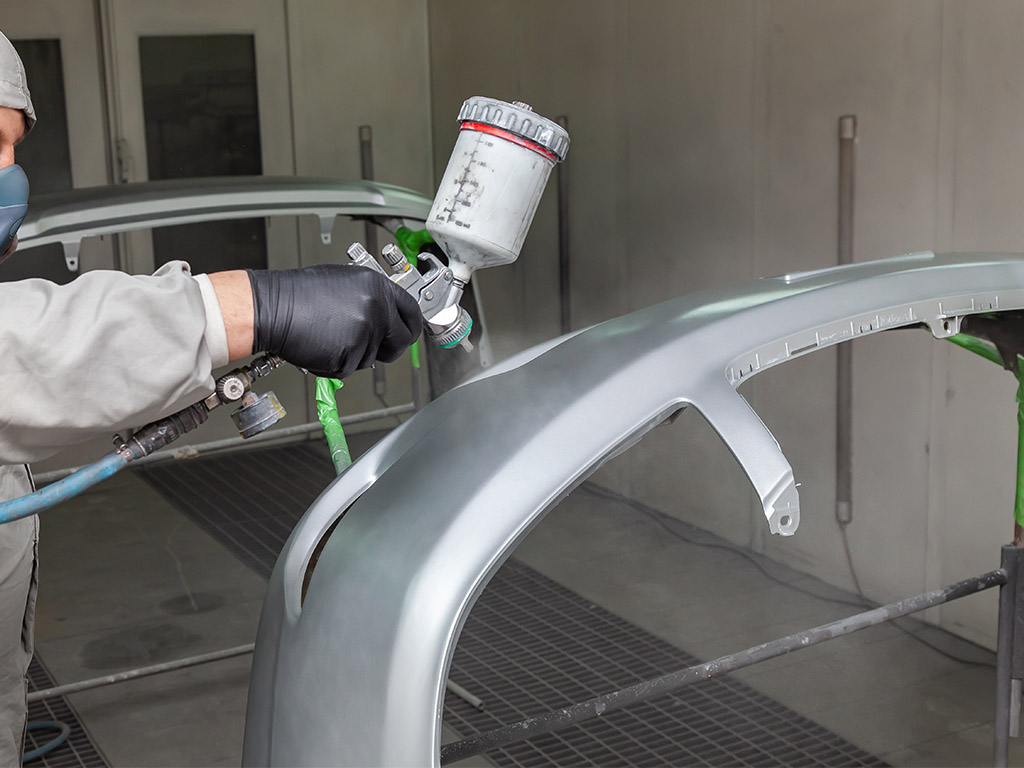
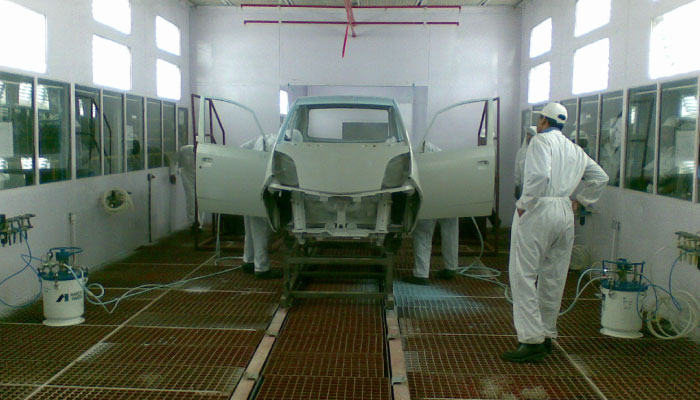
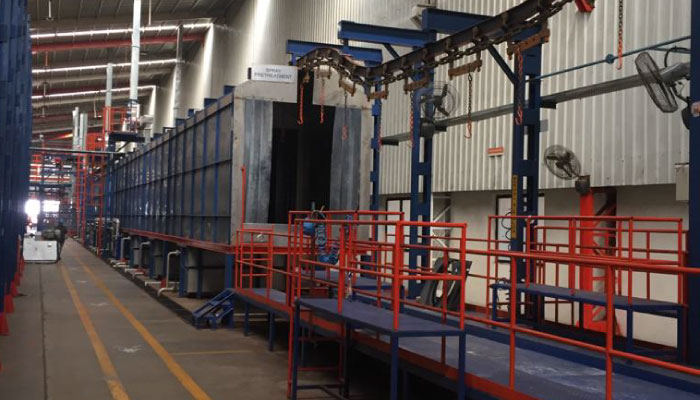
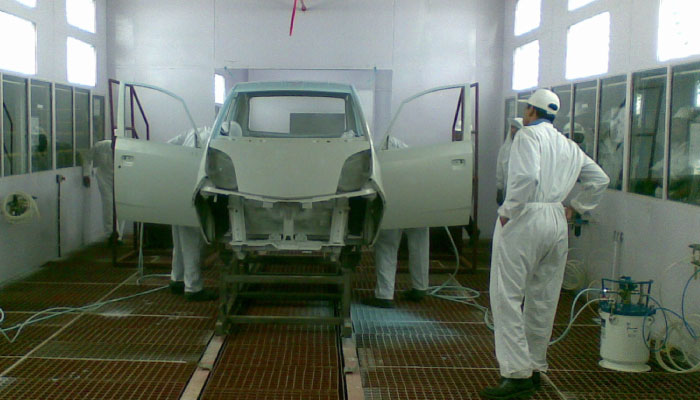
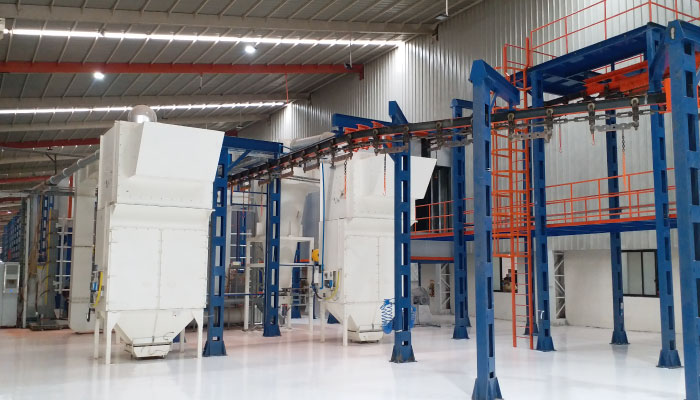
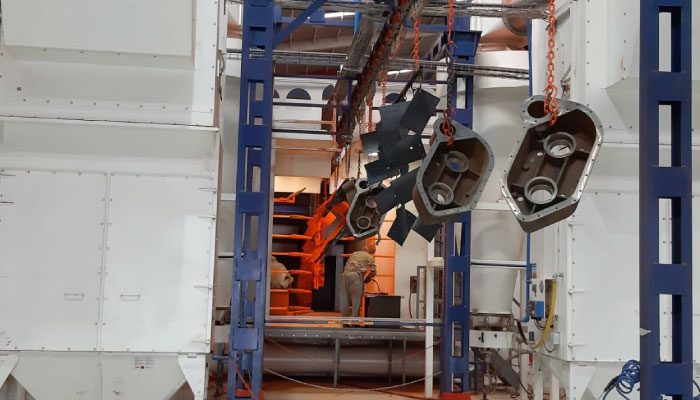
At Trutek Systems, we provide complete engineering solutions for paint shops, pretreatment systems, industrial ovens, powder coating lines, and shower testing systems. Our focus on engineering leads to improved design, smooth execution, and dependable performance over time.
Talk to our experts to plan a turnkey solution that saves time, reduces cost, and delivers consistent results for your industrial project.





.jpg)
.jpg)





.png)
.png)
.jpg)
.png)
.jpg)
.jpg)
.jpg)
.jpg)
.jpg)
.jpg)
.jpg)
.jpg)
.jpg)
.jpg)
.jpg)

hh.jpg)


5.jpg)

.jpg)
.jpeg)