Industrial Paint Booths Features Benefits and Applications
2026-06-29 07:32:30

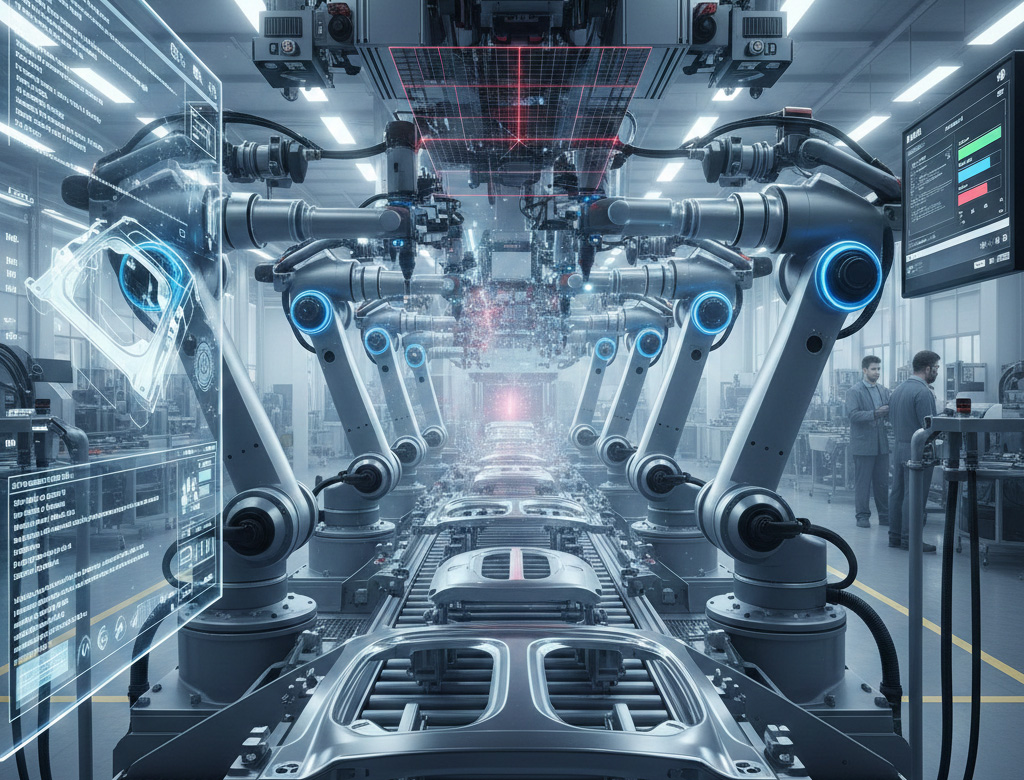
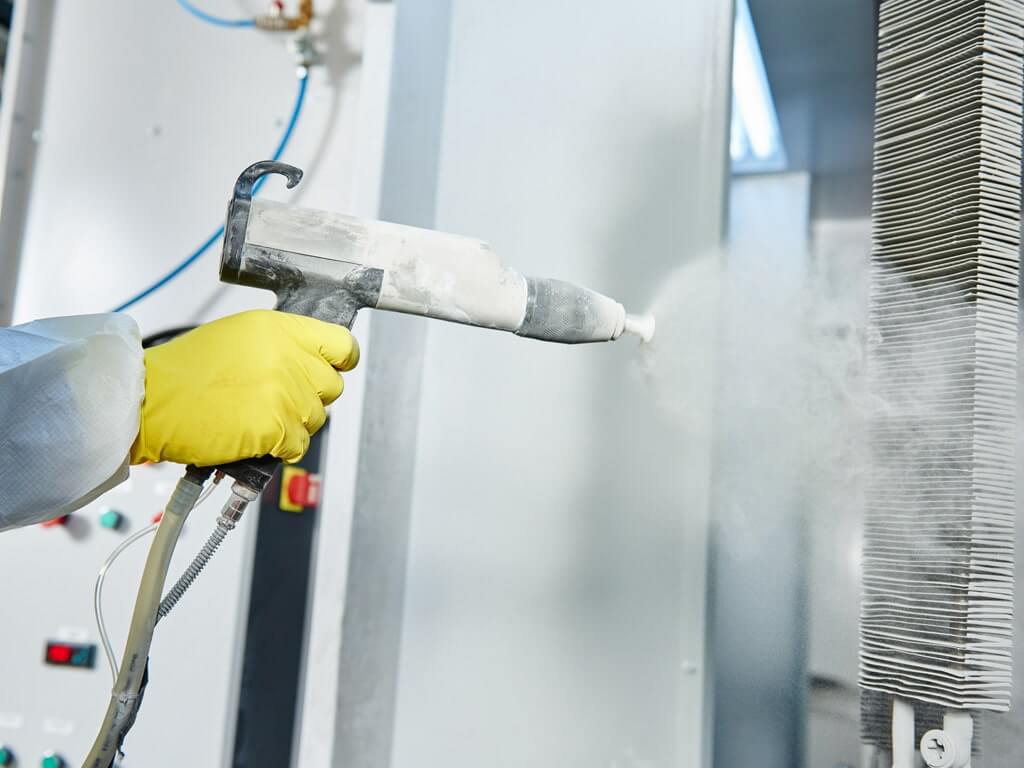
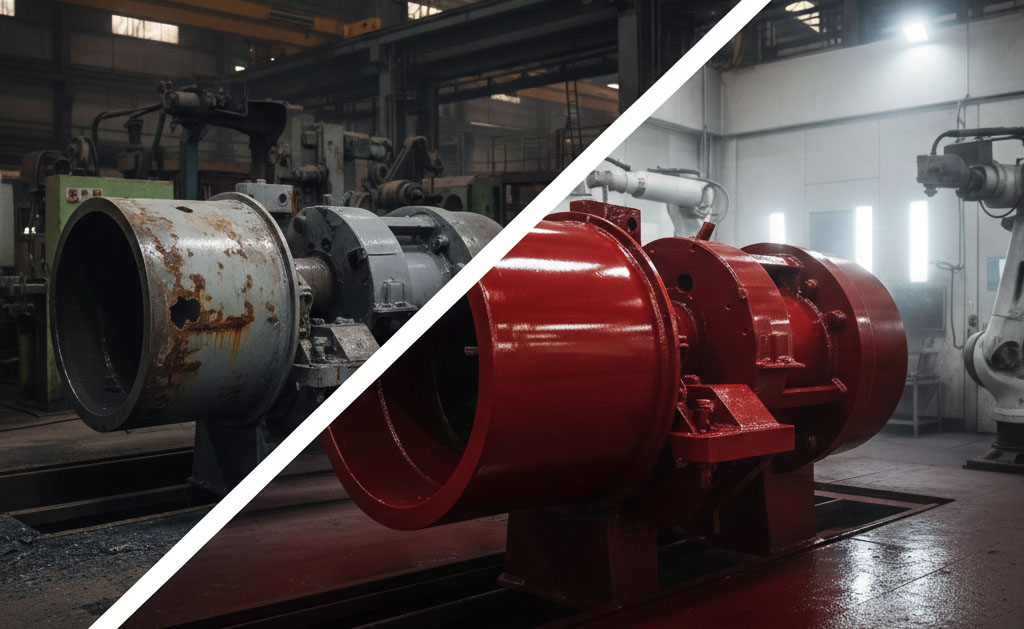
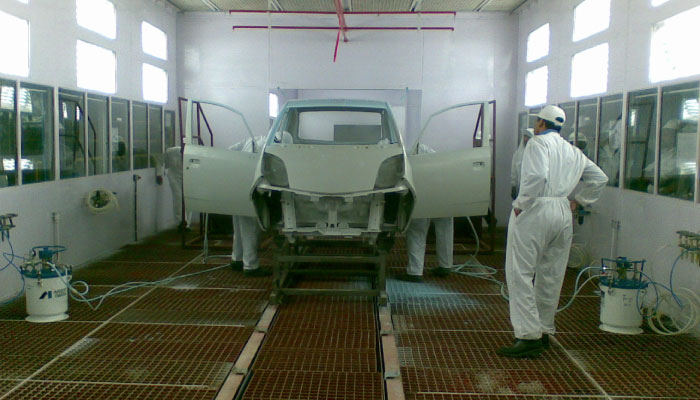
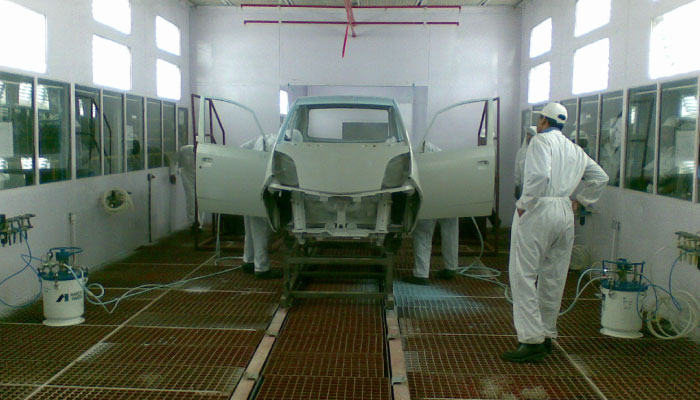
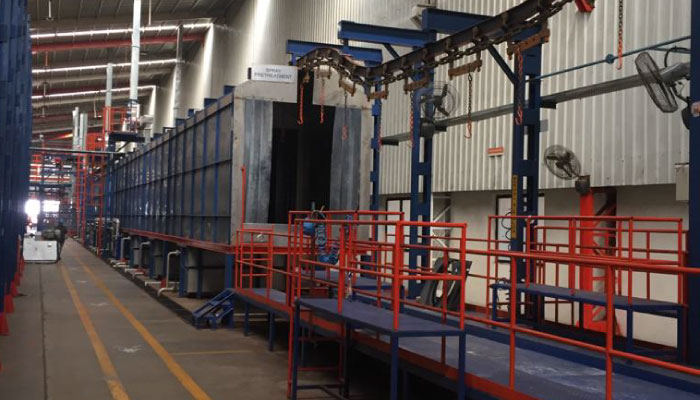
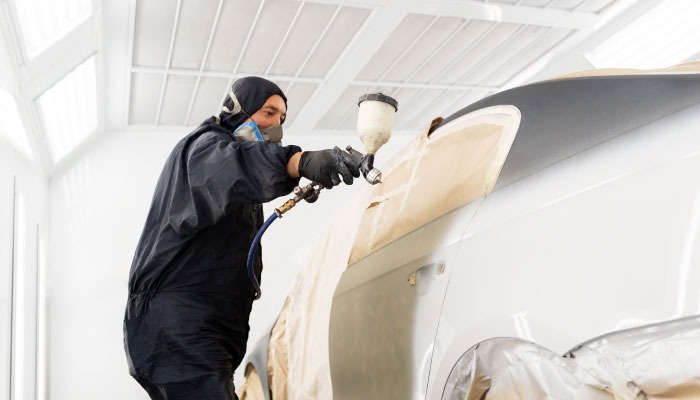
Industrial powder coating systems and finishing lines usually depend on manual spray booths, conveyors, and operator skills to maintain coating quality. When demand for consistency, less waste, and better productivity increased, manufacturers started using robotics and artificial intelligence to update their coating operations.
These technologies convey precision, flexibility, and data insights into finishing processes, and turn them into smart, automated production systems. In this blog, we will discuss how robotics and AI work in industrial powder coating systems.
Robotics in Powder Coating Application
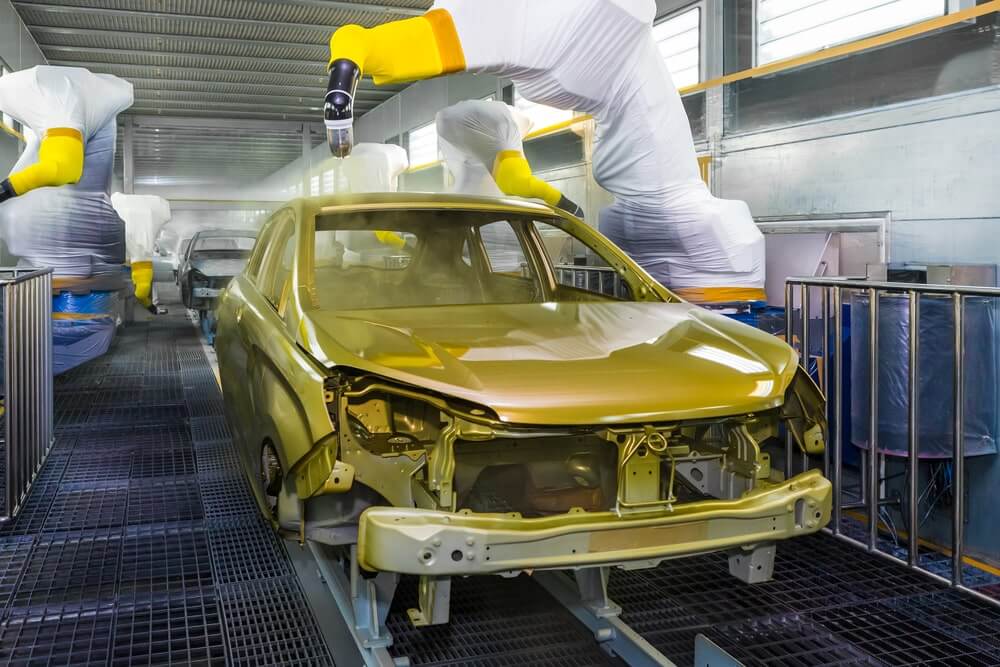
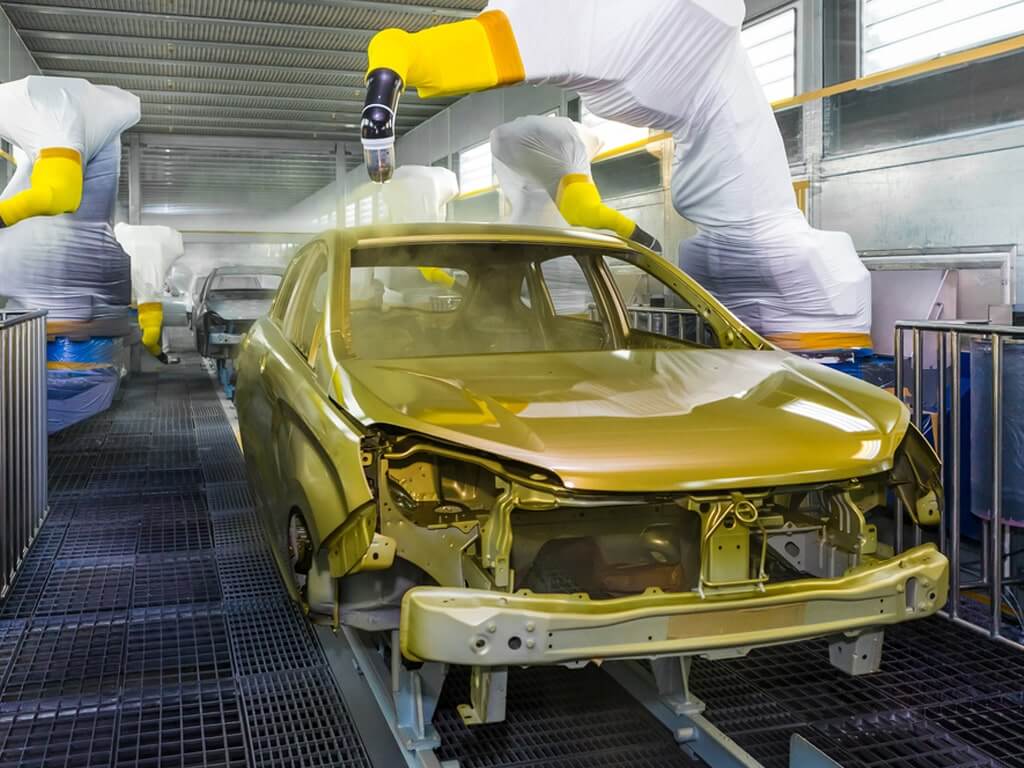
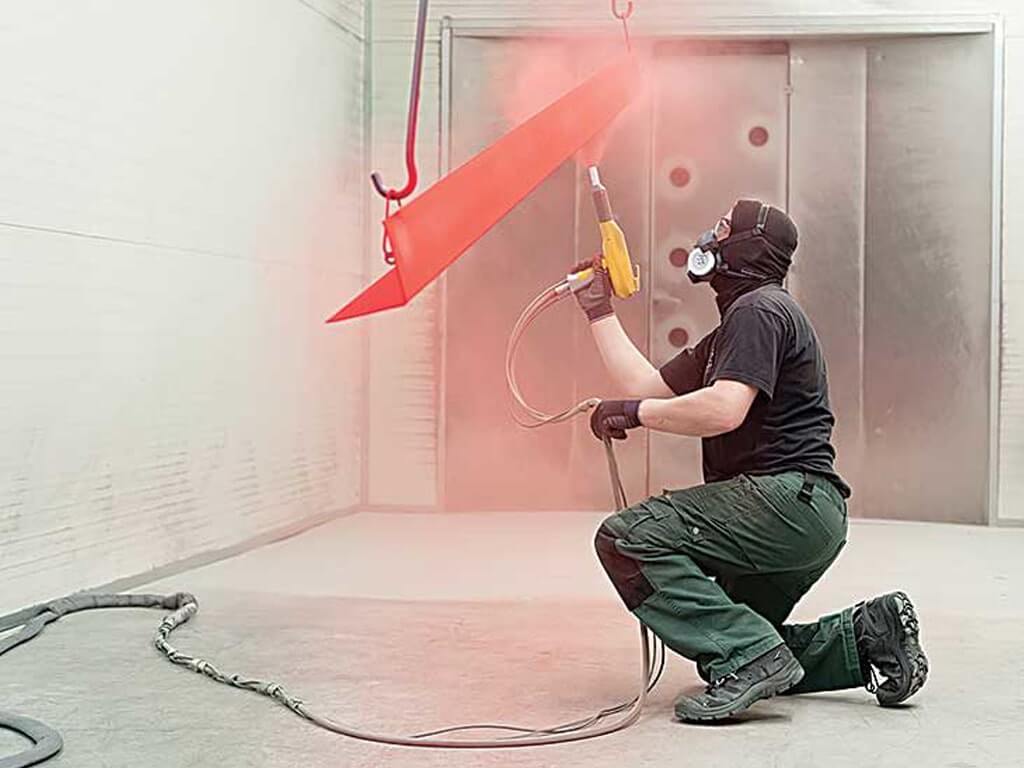
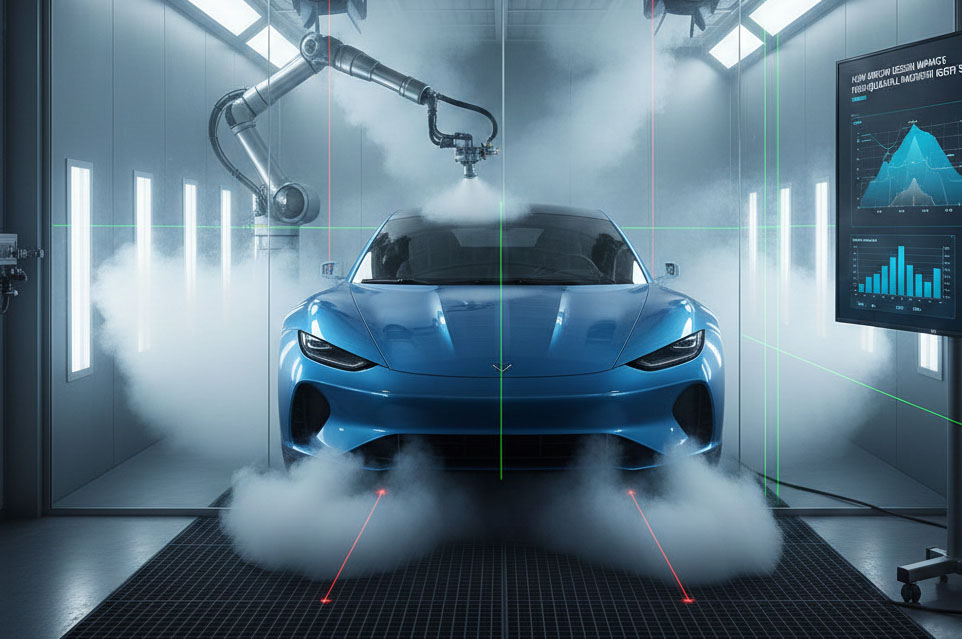
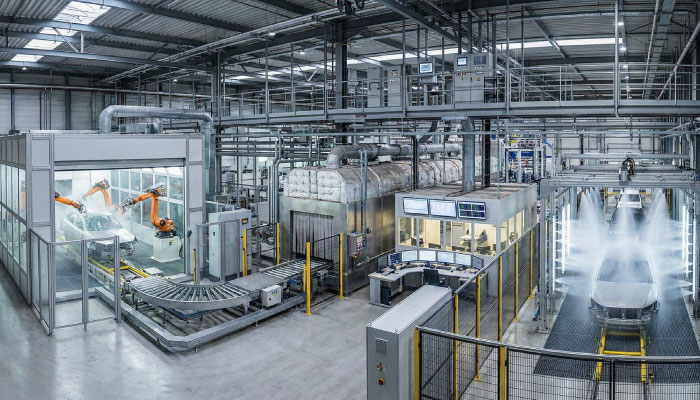
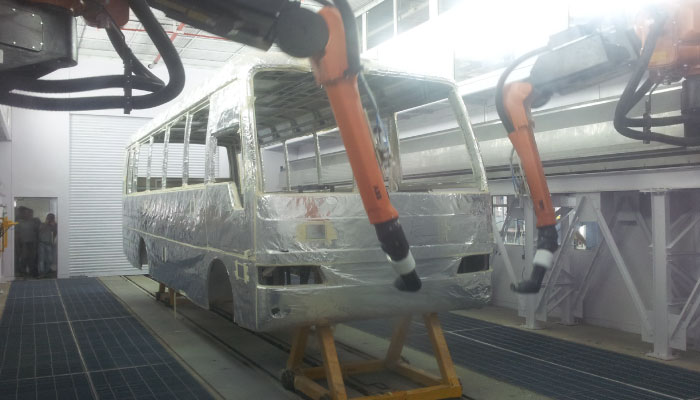
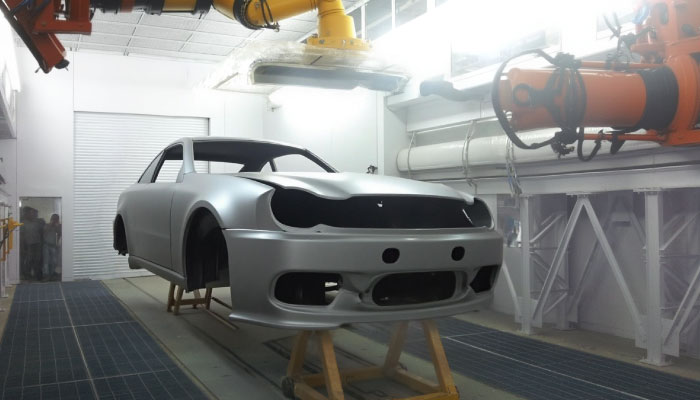
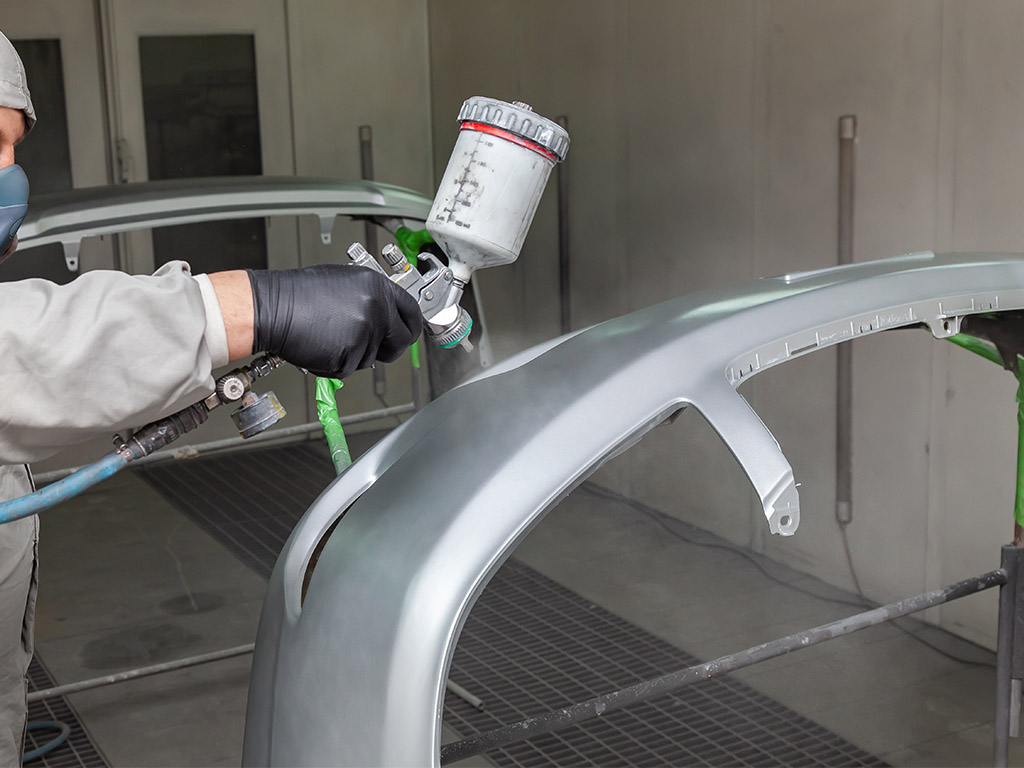
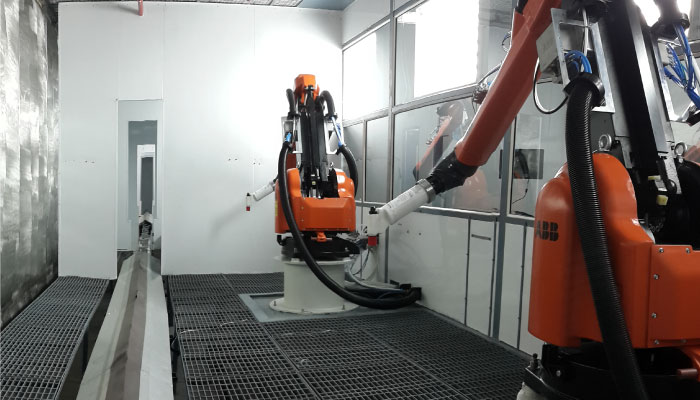
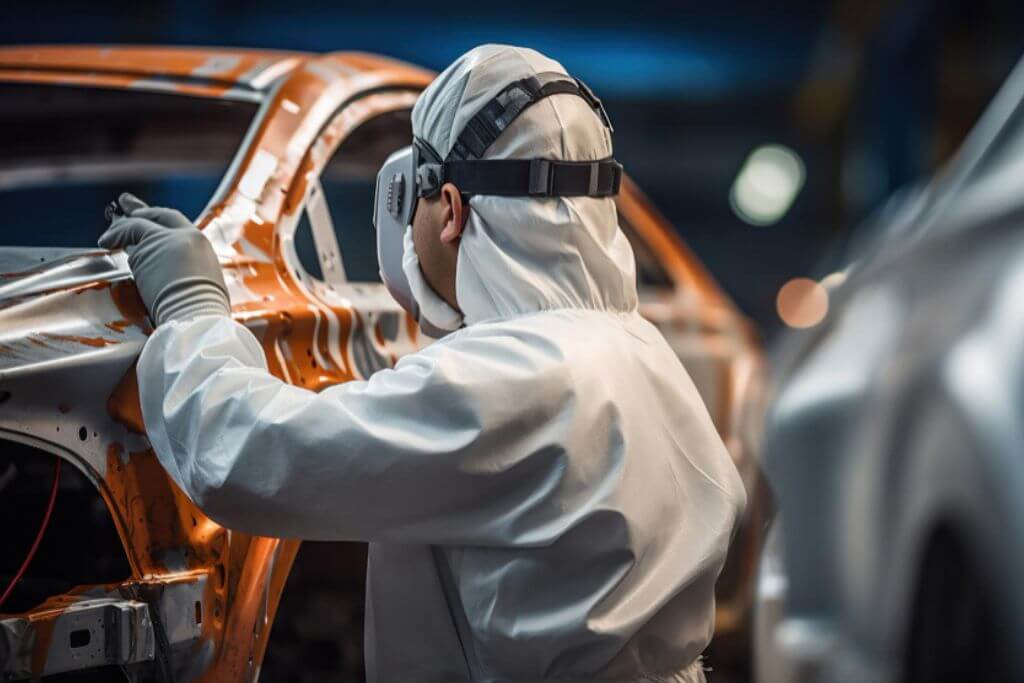
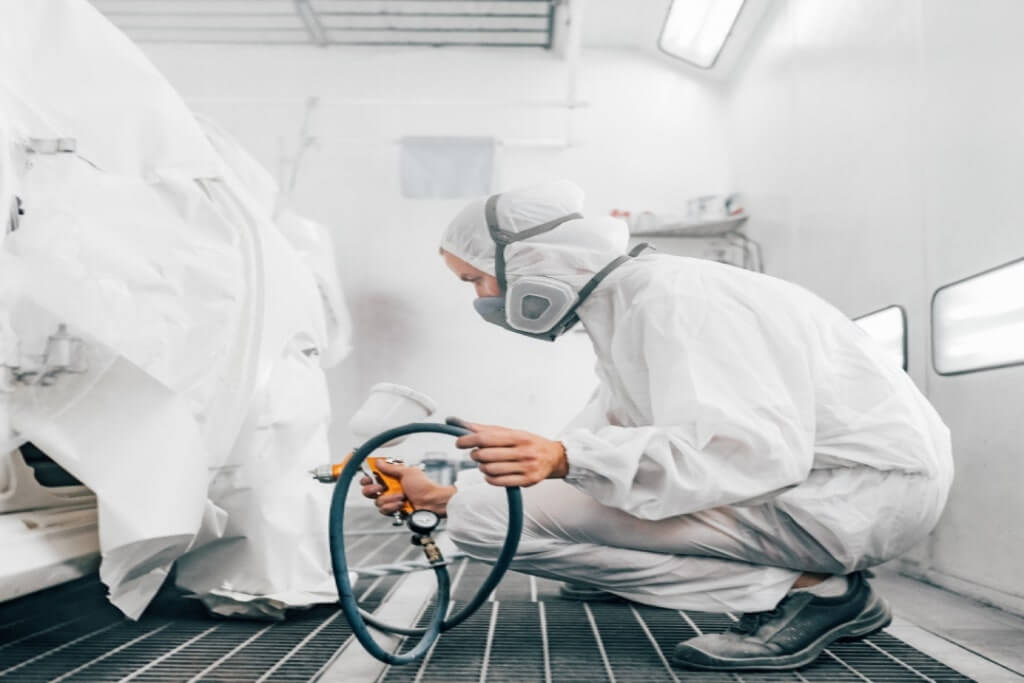
Robotic spray systems have become essential in modern powder coating plants. Unlike manual application, robotic arms follow set motion paths with high precision. This ensures a uniform coating thickness on complex component shapes. Controlled spray angles, constant distances from the parts, and synchronized movement with conveyors enable robots to apply powder consistently on each piece.
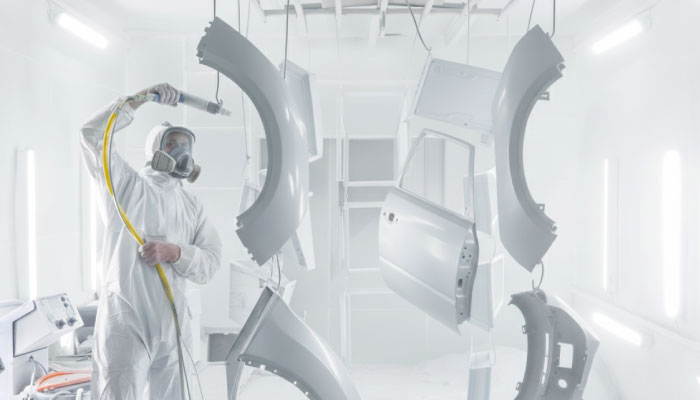
This leads to better surface finish quality and less rework due to uneven coating. Also, robotic automation minimizes operator exposure to powder particles and high-temperature environments, which boosts workplace safety.
AI-Based Adaptive Spray Control
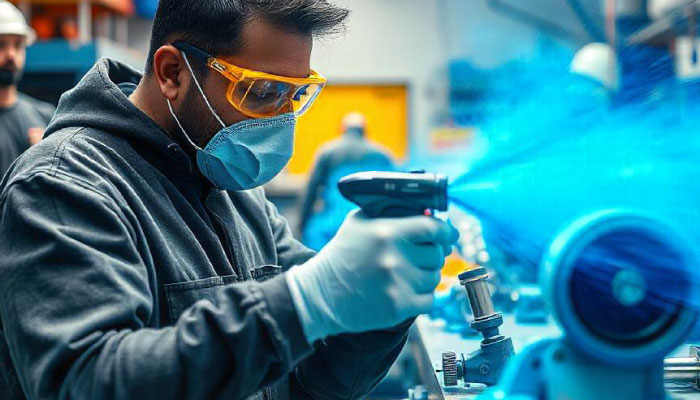
Artificial intelligence improves robotic ability with machine vision and adaptive control. Vision systems with cameras and learning algorithms can identify part orientation, geometry, and surface contours in real time.
AI-enabled systems dynamically modify spray parameters such as gun speed, distance, and powder flow rate. This adaptive behavior helps adjust for changes in part shape, size, and placement on the conveyor. As a result, coating becomes more uniform and transfer efficiency increases, even when the product mix changes often.
Predictive Maintenance and Equipment Health Monitoring
Beyond coating application, robotics and AI allow for predictive maintenance and performance monitoring. Sensors placed on robotic axes, powder feed units, and spray guns continuously gather data about temperature, vibration, torque, and cycle time.
AI algorithms examine these signals to find unusual patterns that could suggest wear or possible failure. Maintenance can then be scheduled according to the actual condition of the equipment instead of set intervals. This method cuts down on unexpected downtime and increases the service life of important components.
Productivity and Output Capacity Optimization
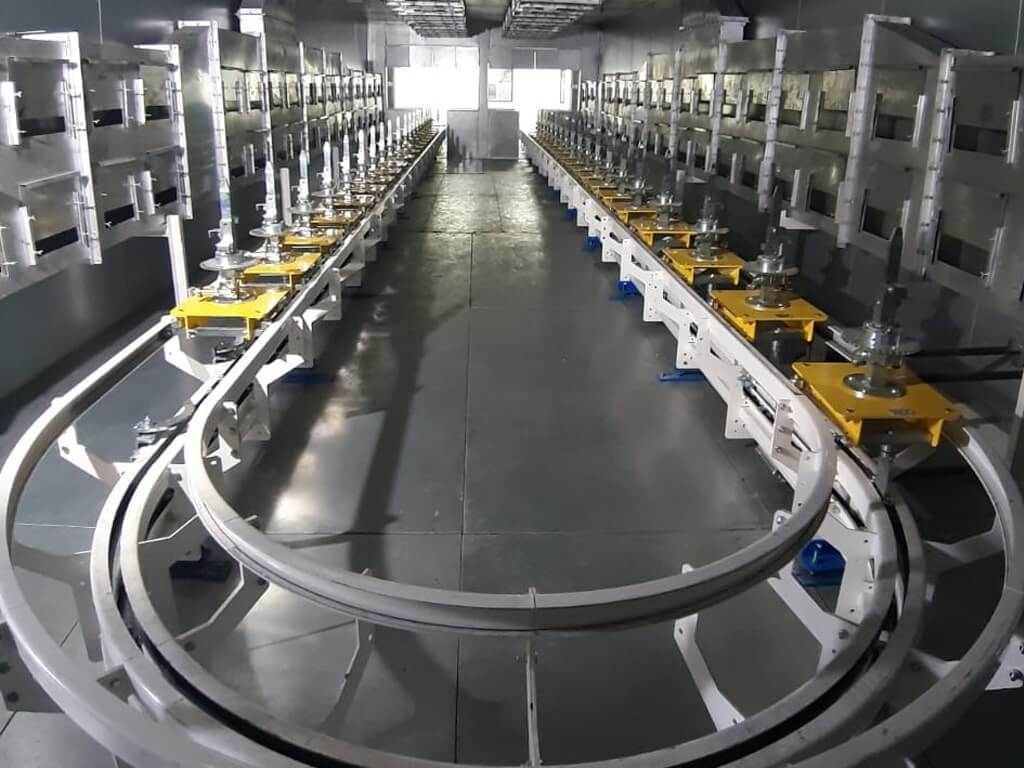
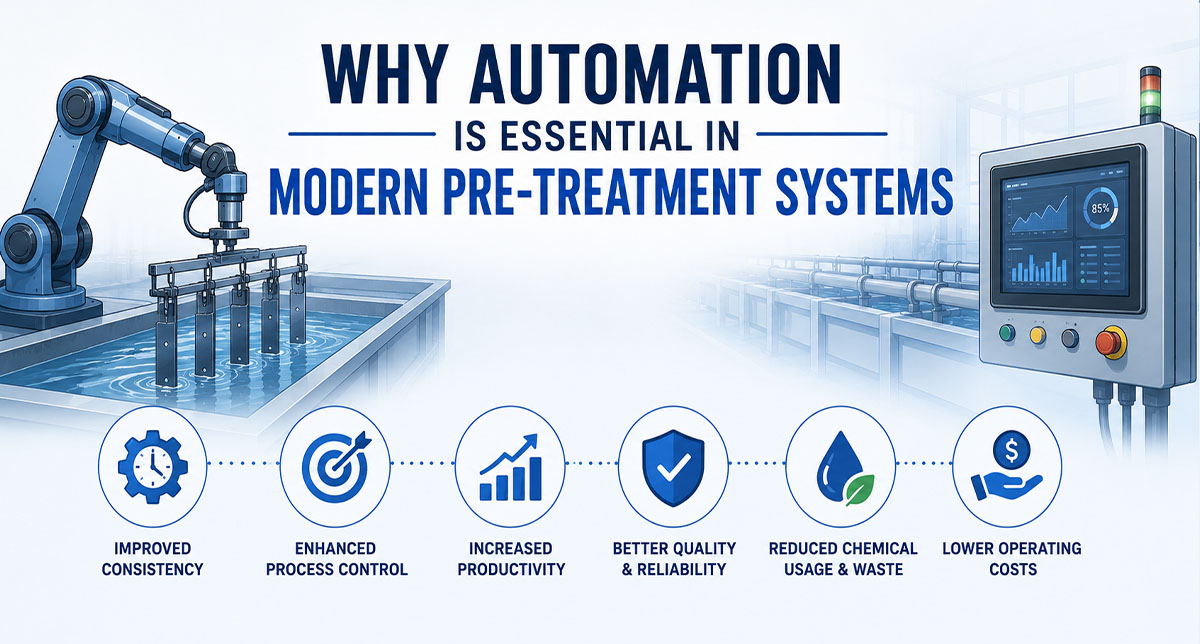
Automation improves throughput and cycle efficiency in finishing lines. Robotic systems can operate continuously and maintain steady cycle times. Multi-robot cells can work together in coordinated sequences to coat different areas of a part at the same time.
AI-based scheduling tools manage workloads and improve robot use based on real-time production data. These features increase line capacity and keep coating quality stable. This allows for higher production volumes without a proportional rise in labor or energy use.
Automated Quality Inspection and Defect Detection
Quality assurance is significantly influenced with the use of robotics and AI. Machine vision systems can inspect coated surfaces right after application or curing. These systems check factors like surface coverage, color consistency, and defects.
AI compares observed results with reference models and finds deviations beyond acceptable limits. It can automatically separate defective parts, and adjust process parameters and prevent repeted occurance. This closed-loop quality control method reduces dependence on manual inspections and improves the traceability of coating results.
Digital Integration with Smart Manufacturing Systems
Integration with digital manufacturing platforms expands the role of robotics and AI. Modern finishing lines gets connected with manufacturing execution systems, quality databases, and maintenance platforms.
Data collected from robotic coating operations helps with production analysis. It allows engineers to connect coating quality with factors like temperature, humidity, and conveyor speed. This connection supports predictive quality strategies and boosts ongoing process improvement based on real operating conditions.
Material Efficiency and Environmental Benefits
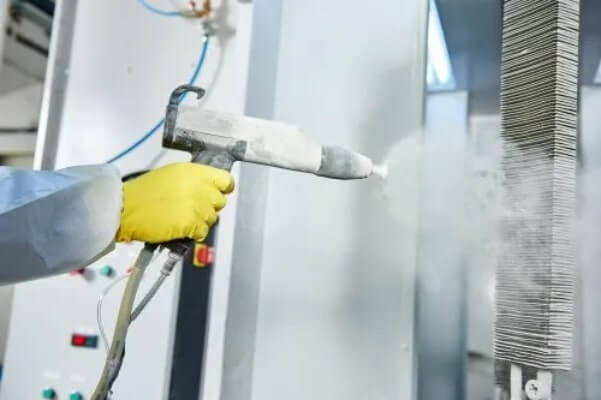
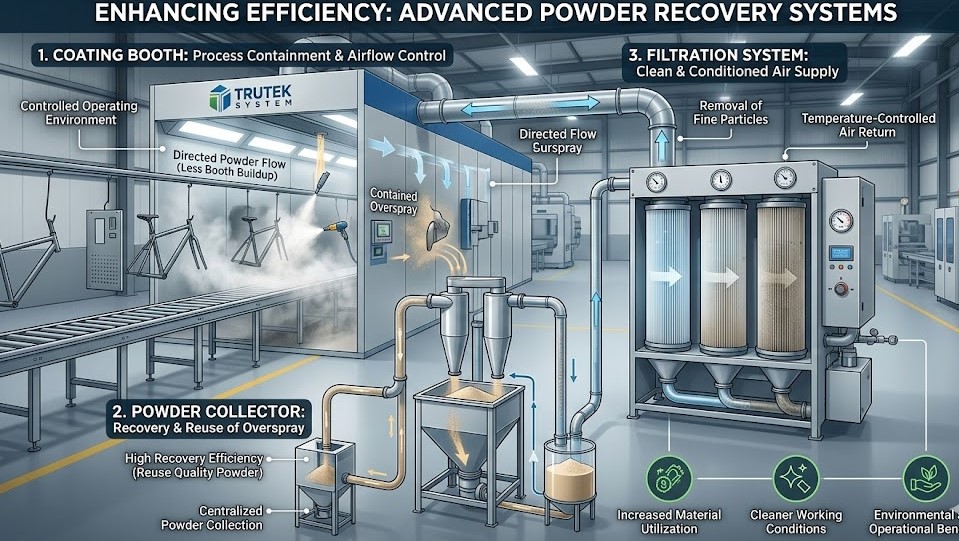
Material efficiency and environmental performance also improve with intelligent automation. Precise robot motion and AI-controlled spray patterns reduce overspray and ensure that powder is applied only in required area. Optimized powder flow rates and adaptive trajectory planning boost transfer efficiency and reduce material use.
Reduced waste leads to fewer disposal requirements and improved compliance with environmental standards. These improvements support sustainability objectives and maintain high productivity levels.
Future of Autonomous Finishing Lines
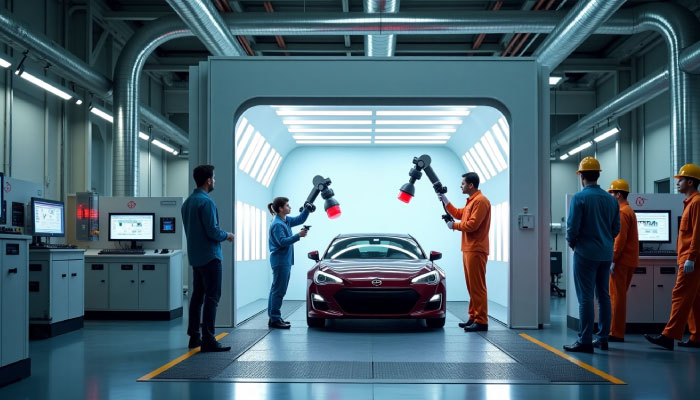
Collaborative robots and fully autonomous finishing lines are likely to become more common. Collaborative robots can work safely with human operators, and offer flexibility for low-volume or high-mix production.
Autonomous systems with learning algorithms will adjust coating strategies based on past performance data. These systems will continuously improve energy use, coating thickness distribution, and cycle timing. This will result in self-optimizing finishing lines. This change is a key step toward fully digital finishing operations, where, decision-making relies on real-time information instead of set programming.
As industrial production shifts to smart factory models, robotics and AI will continue to be important factors for innovation and competitiveness in powder coating and surface finishing applications.
Want to upgrade your finishing line with intelligent, automation-ready powder coating solutions? Trutek System engineered systems are built for consistent coating quality, higher efficiency, and long-term reliability. Partner with us to move toward smarter, future-ready surface finishing.


.jpg)
.jpg)

.png)
.png)
.jpg)
.png)
.jpg)
.jpg)
.jpg)
.jpg)
.jpg)
.jpg)
.jpg)
.jpg)
.jpg)
.jpg)
.jpg)
hh.jpg)
5.jpg)
.jpg)
.jpeg)